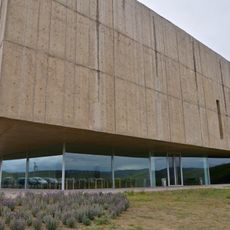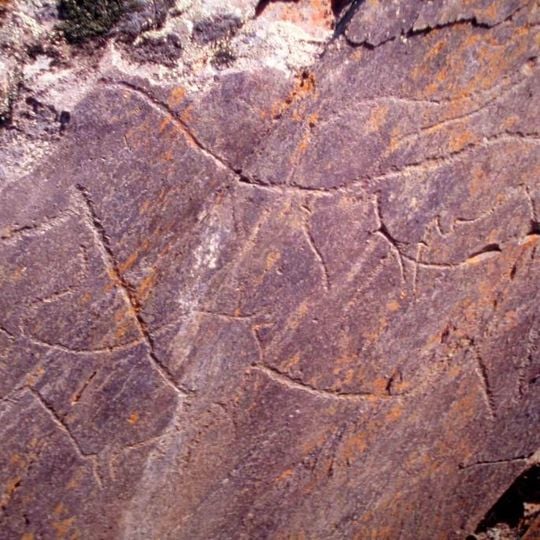
Prehistoric Rock Art Sites in the Côa Valley, Archaeological park in Vila Nova de Foz Côa, Portugal.
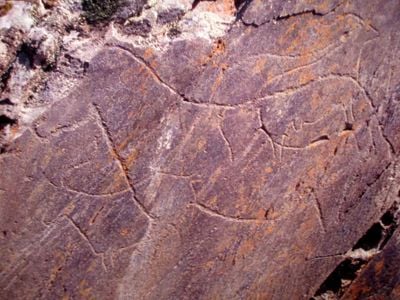
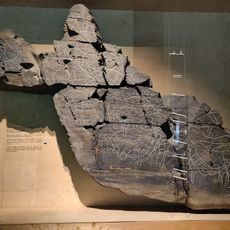
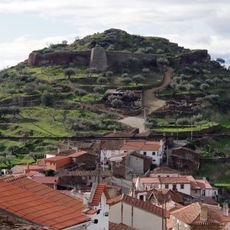
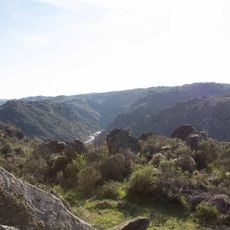
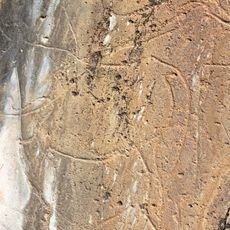
The Prehistoric Rock Art Sites in the Côa Valley is an archaeological park containing thousands of engravings carved into vertical schist surfaces along the riverbanks. The rock faces display depictions of animals and human figures spread across multiple kilometers along the valley.
The rock engravings were discovered in 1994 and date back to the Paleolithic period roughly 25,000 years ago, making them one of Europe's largest outdoor prehistoric art collections. This ancient work was later recognized by UNESCO as a World Heritage site together with Spain's Siega Verde.
The rock engravings show different carving techniques including pecking and grinding that depict horses, cattle, and abstract symbols, revealing how prehistoric people lived and hunted. These images are scattered across the schist surfaces along the river, telling stories of the communities who created them.
Visitors can explore three main archaeological sites named Canada do Inferno, Ribeira de Piscos, and Penascosa, though advance reservation is necessary. Guided tours are required to access the engravings and learn about their significance.
The engravings are among the oldest known forms of human artistic expression and depict hunting scenes that provide insight into the daily lives of these early communities. The combination with Spain's Siega Verde across the border creates a cross-boundary complex of tremendous cultural value.
The community of curious travelers
AroundUs brings together thousands of curated places, local tips, and hidden gems, enriched daily by 92,243 contributors worldwide.