Campo Maior, municipality of Portugal
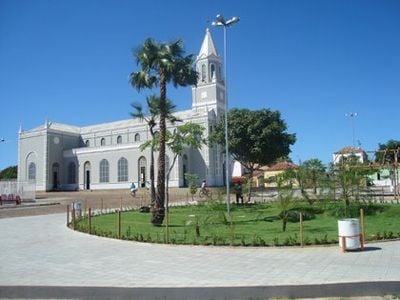
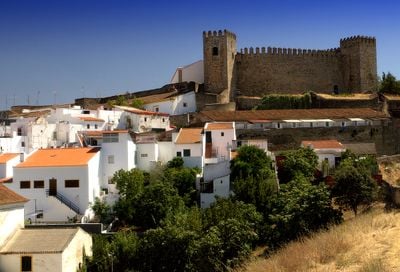
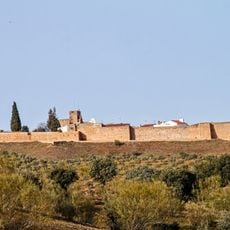
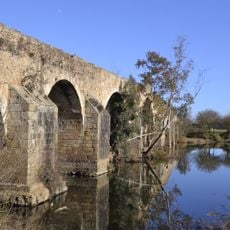
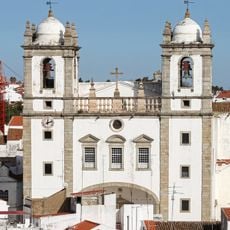
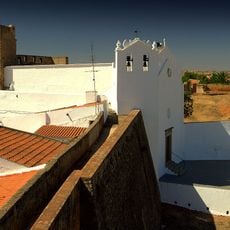
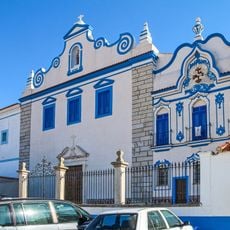
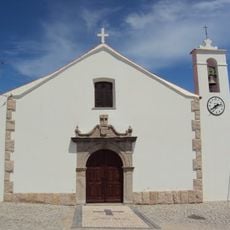
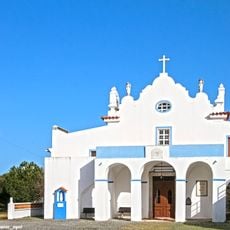
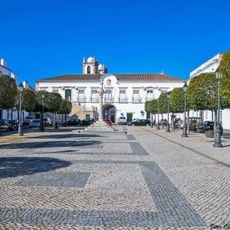
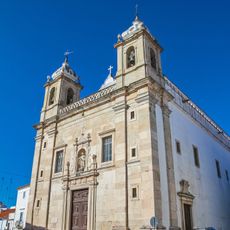
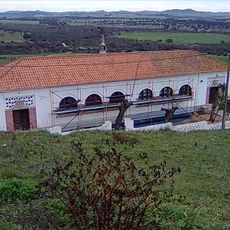
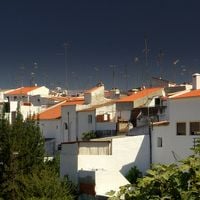
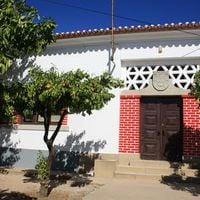
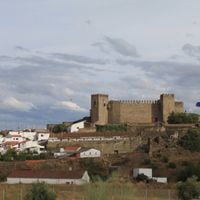
Campo Maior is a small town in Upper Alentejo within Portalegre district, located near the Portuguese-Spanish border in a rural landscape. The center features narrow streets lined with whitewashed houses, historical sites including a castle, the Mother Church built in 1646, and the unusual Chapel of Bones constructed from human remains.
The town held strategic importance for defending Portugal's border and became Portuguese territory through the 1297 Treaty of Alcanizel. A major explosion in the castle's ammunition storage in 1732 devastated the town and killed many residents, an event commemorated by the Chapel of Bones that still stands today.
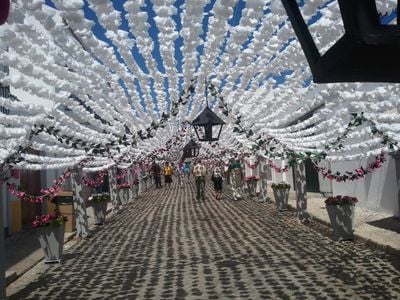
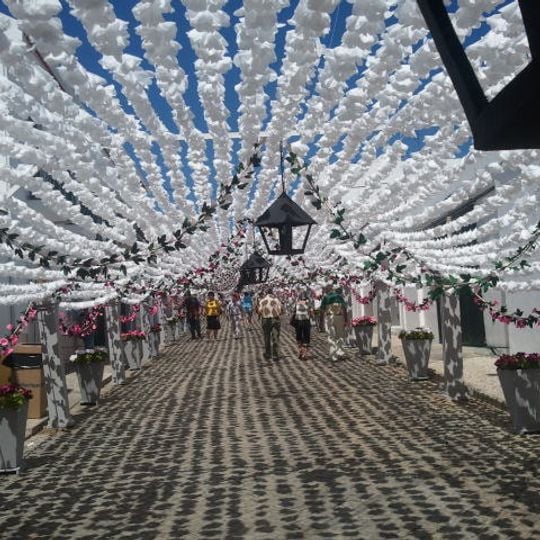
The name means 'Greater Field', reflecting the agricultural roots that still shape daily life today. Locals take pride in their traditions, especially during the annual Festa do Povo festival when streets fill with hundreds of paper flowers and residents dress in colorful costumes to celebrate together.
The town is easily reached by car or bus and sits close to larger cities, making it a practical day trip destination. Most sites of interest are in the center and walkable on foot, with narrow streets that are simple to navigate through.
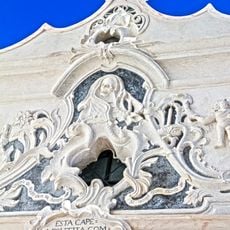
The Chapel of Bones is one of Portugal's most unusual religious sites, a small chapel whose interior walls are decorated with human skulls and bones. Recent research suggests the remains came from a local churchyard and served as a memorial to victims of the devastating 1732 explosion.
The community of curious travelers
AroundUs brings together thousands of curated places, local tips, and hidden gems, enriched daily by 60,000 contributors worldwide.