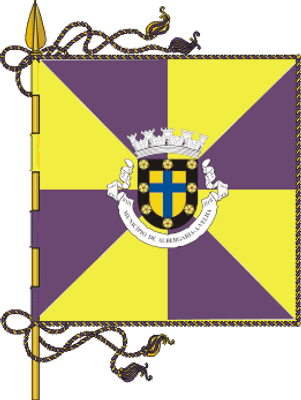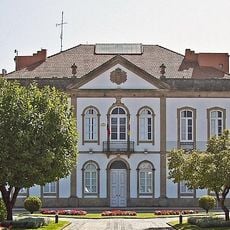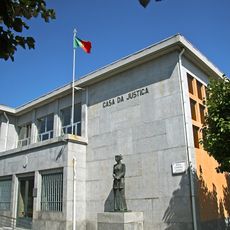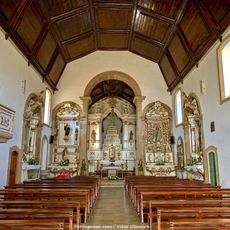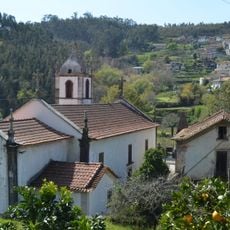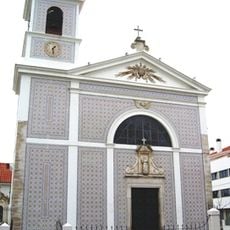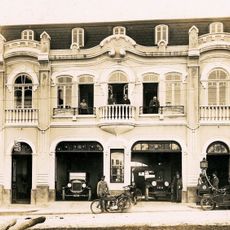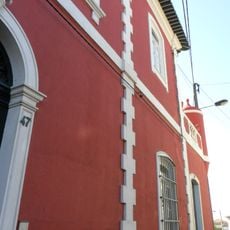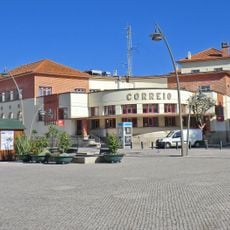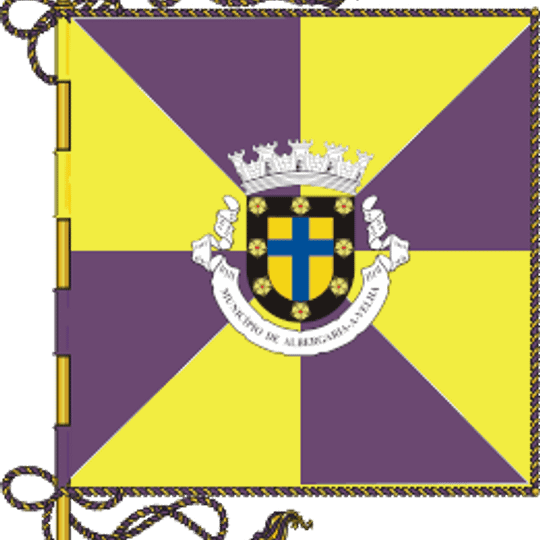
Albergaria-a-Velha, municipality and city in Portugal
Albergaria-a-Velha is a town in the Aveiro region of central Portugal situated in a transition zone between the coast and mountains. The land is mostly flat and fertile with small industrial areas in the central and northern parts, while its economy focuses on farming, crafts, and small manufacturing including metalwork and textiles.
In 1117, Queen Teresa granted land to a nobleman to establish a shelter for traveling pilgrims, giving rise to the name albergaria. The settlement became an official municipality in 1834 and was elevated to city status in 2011, after neighboring parishes like Angeja and Branca had been integrated over the centuries.
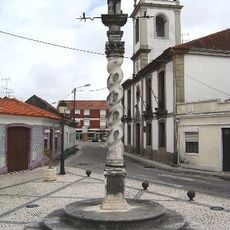
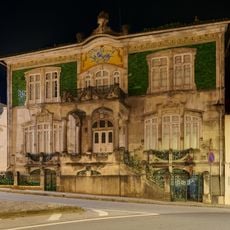
The name comes from 'albergaria,' meaning shelter for travelers, and 'velha,' meaning old. The town's layout and buildings reflect how residents have maintained a connection to their heritage and traditions across generations.
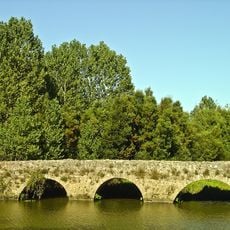
Visitors should allow time to explore the old water mills along the Caima, Fílveda, and Jardim rivers, which are accessible through dedicated routes. The flat terrain makes walking pleasant and allows guests to reach rural scenery and historic sites easily.
The area was once dotted with hundreds of water mills from the 18th century onward that ground the region's grain and shaped daily life. Though many have disappeared, visitors can still follow the Water Mills Route to discover dozens of these remarkable structures and understand their role in local history.
The community of curious travelers
AroundUs brings together thousands of curated places, local tips, and hidden gems, enriched daily by 90,993 contributors worldwide.