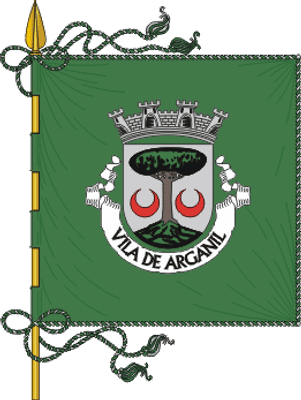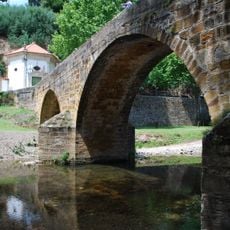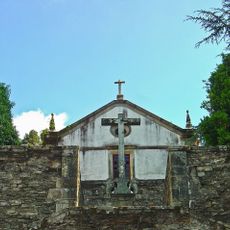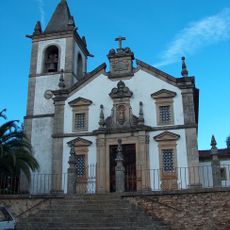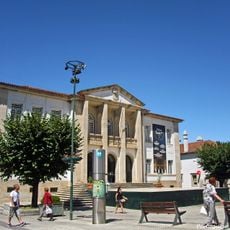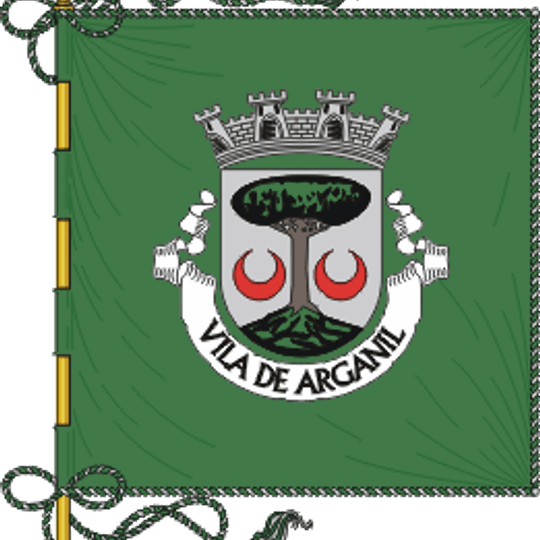
Arganil, municipality and town of Portugal
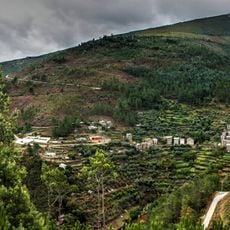
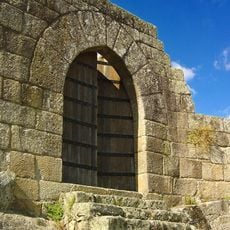
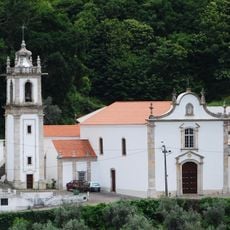
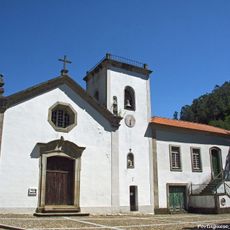
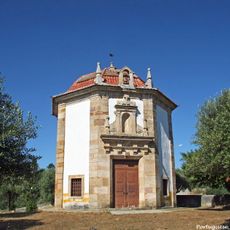
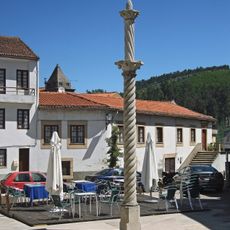
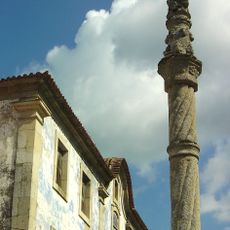
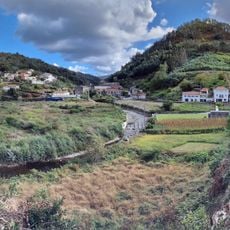
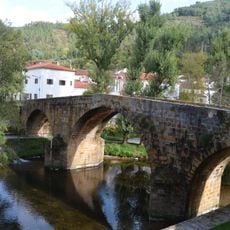
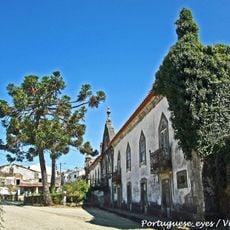
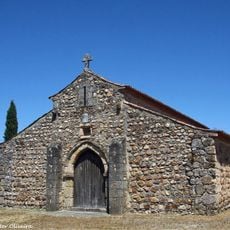
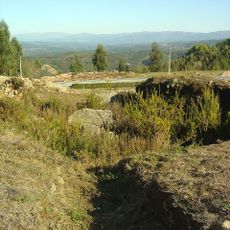
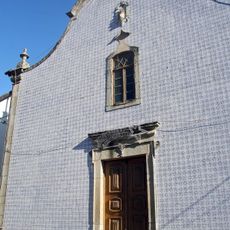
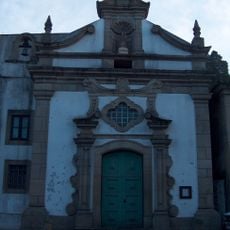
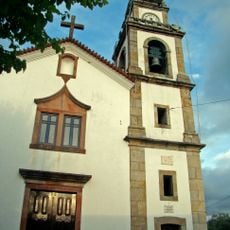
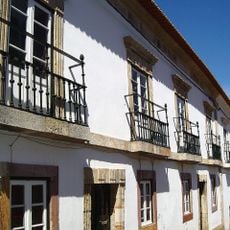
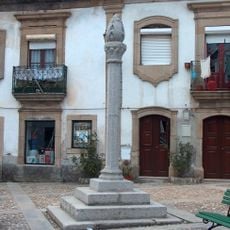
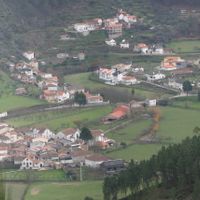
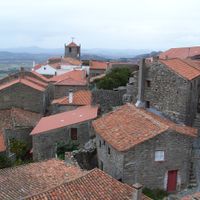
Arganil is a small town in the Coimbra region with narrow streets and old stone buildings nestled against the hills. The town has a quiet feel with traditional houses spread gently across the landscape, reflecting centuries of steady growth and rural settlement patterns.
Arganil received a formal charter called a foral from the bishop of Coimbra in 1114, which established the rights of the people and how the town should be governed. Over centuries, the town evolved from an agricultural center with Roman influences into an established community with strong craft traditions.
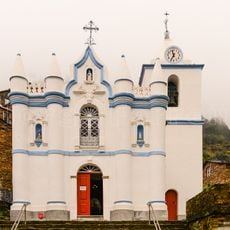
The name Arganil may derive from Latin words meaning 'small field' or relate to ancient Roman remains found nearby. The town celebrates religious festivals with music, dance, and local food, while traditional workshops produce stone sculptures and painted porcelain pieces that keep local crafts alive.
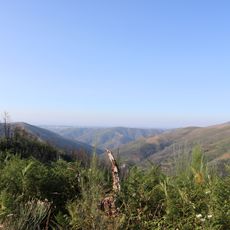
The town has narrow streets, so flat shoes are helpful for walking through the lanes and exploring the surrounding hills. Thursday markets offer local produce and crafts, while the September Mont'Alto fair attracts music, food, and trade from across the region.
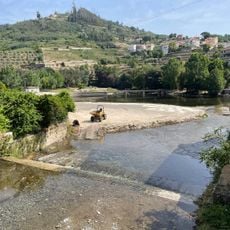
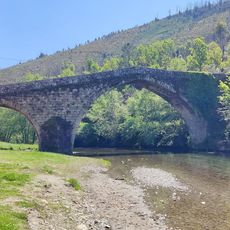
A local legend tells of a statue of the Christ Child hidden in a tree and later found by a shepherd; people still visit the tree and say it never loses its yellowed leaves. Another story speaks of three rivers racing to the sea, with the Mondego winning and leaving behind a special place called 'Raiva' named after the angry flowing water.
The community of curious travelers
AroundUs brings together thousands of curated places, local tips, and hidden gems, enriched daily by 92,595 contributors worldwide.