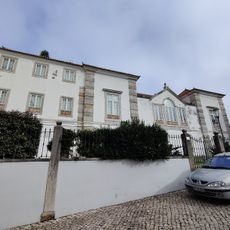
Ruins of Tróia, Archaeological site in Carvalhal, Portugal.
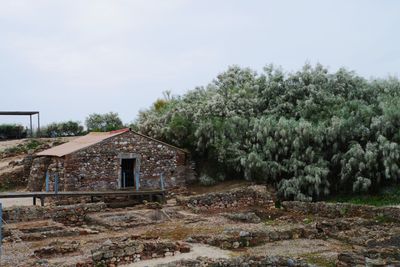
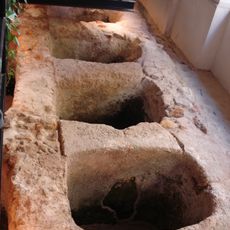
The Roman Ruins of Tróia are an archaeological site on a peninsula in the Sado River with remains spanning roughly two millennia. The grounds contain fish processing workshops, residential buildings, public baths, and an early church structure from different periods of settlement.
The settlement emerged in the first century and remained a major fish preservation center on the Roman Atlantic coast until the sixth century. Its products were distributed as valuable trade goods throughout the Empire and contributed to its economic prosperity.
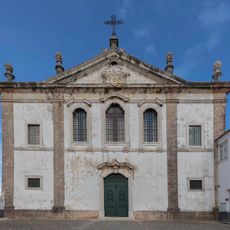
The early Christian basilica on the grounds reveals how Roman inhabitants practiced their faith and the role religion played in their daily lives. The preserved frescoes offer insight into the artistic and spiritual beliefs of this ancient community.
The grounds are walkable on foot, though guided tours help explain the crafts and daily life of the Roman inhabitants in greater detail. Preparation beforehand is helpful because not all structures are immediately clear and some areas may be uneven or overgrown.
Archaeologists have recently recreated the ancient fish sauce production process at the original workshops, demonstrating how Roman craftspeople actually worked. These hands-on experiments allow visitors to gain a vivid understanding of the ancient production methods and their scale.
The community of curious travelers
AroundUs brings together thousands of curated places, local tips, and hidden gems, enriched daily by 60,000 contributors worldwide.