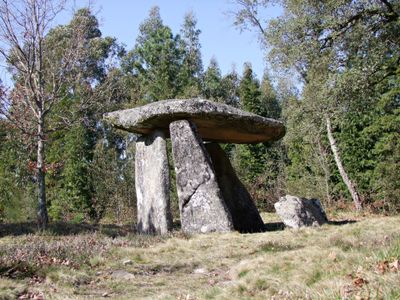
Anta da Arca, dolmen in Oliveira de Frades, Portugal
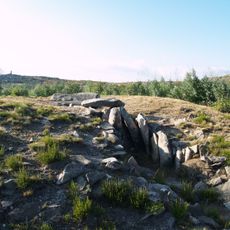
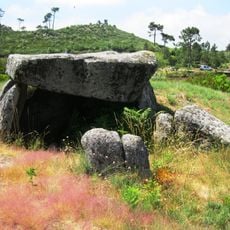
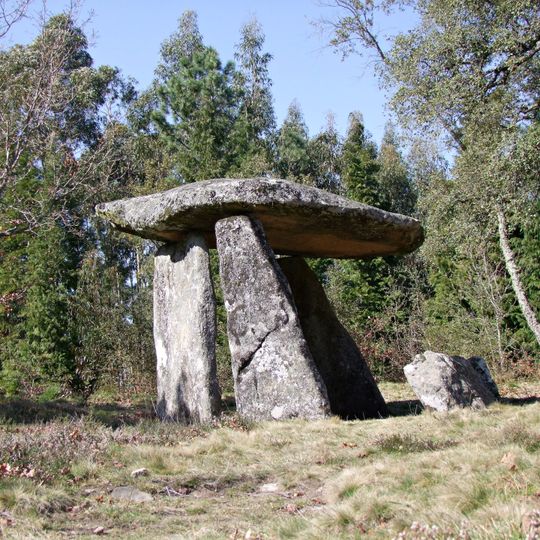
The Anta da Arca is a dolmen in Portugal made of large stone blocks arranged to create a burial chamber with a flat capstone resting on upright supports. The structure has five vertical stones supporting a heavy roof stone, with an interior chamber that lacks a corridor, creating a simple and direct entrance arrangement typical of its design.
The Anta da Arca was built during the late Calcolithic period, roughly 3000 to 2000 years before Christ, when communities constructed large stone monuments for burial purposes. The site first appeared in written records from the 18th century, referred to as Pedra da Arqua, and has remained known to local communities throughout the centuries.
The Anta da Arca is known locally through folk tales about a mystical woman guarding hidden treasure within the chamber, connecting the site to the beliefs and stories of people over centuries. This reflects how ancient communities used such places to honor their dead and mark locations of spiritual importance within the landscape.
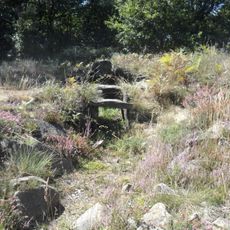
The Anta da Arca is easy to reach by car and is marked clearly near the road between Águeda and Caramulo, with access via a dirt path requiring a short walk to view the structure. The site is set in open countryside and offers simple access for visitors wanting to explore the stones up close.
The Anta da Arca stands out from other similar monuments in the region by lacking a corridor entrance, an unusual design choice for its time that suggests the original entrance may have been used differently or altered over centuries. This missing feature adds to the mystery of how ancient people accessed the burial chamber within.
The community of curious travelers
AroundUs brings together thousands of curated places, local tips, and hidden gems, enriched daily by 92,634 contributors worldwide.