Reșița, Industrial municipality in Caraș-Severin County, Romania.
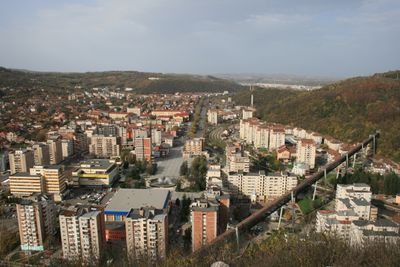
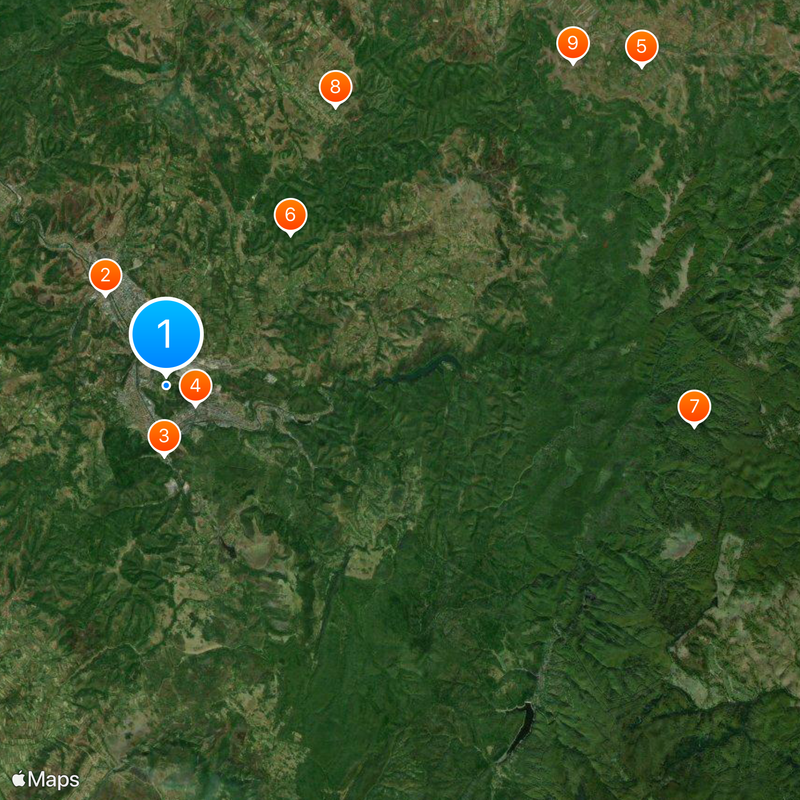
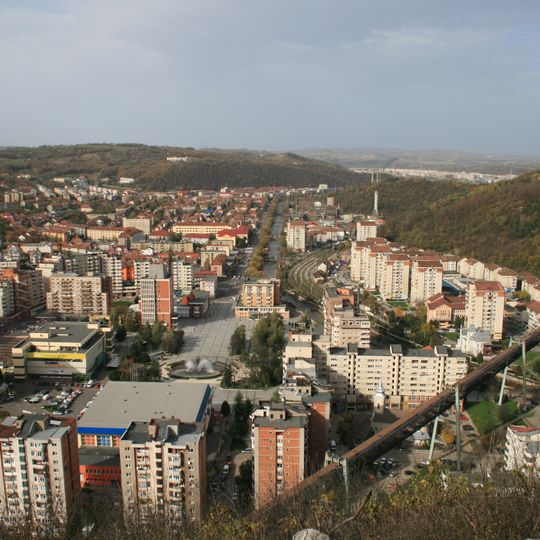
Reșița sits in the Bârzava River valley at roughly 208 meters elevation, surrounded by hills where residential areas climb upward from the central district. The municipality encompasses several villages around a historic metal industry core.
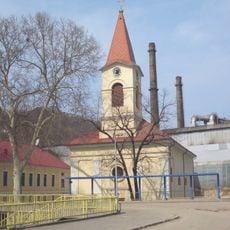
Austrian authorities established factories in 1771 and brought German craftsmen to develop the metal industry at this location. This foundational moment transformed a rural settlement into a manufacturing center.
The local museums display the heritage of metalworking through crafted objects and industrial exhibits that tell the story of generations of workers in this region.
The city connects to major transportation routes through railway and highway networks that link it with industrial areas across western Romania. The elevation changes between the valley floor and surrounding hills mean some walking involves inclines.
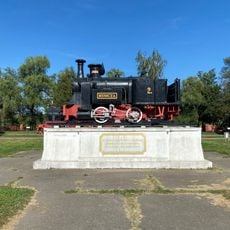
The city was where Romania's first domestically manufactured locomotive was completed in 1872, marking a turning point in industrial capability. This achievement came from skills and machinery developed within the local workshops.
The community of curious travelers
AroundUs brings together thousands of curated places, local tips, and hidden gems, enriched daily by 90,872 contributors worldwide.