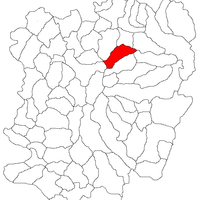
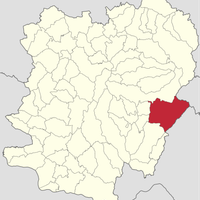
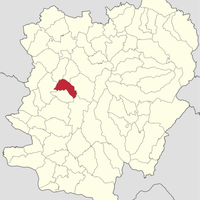
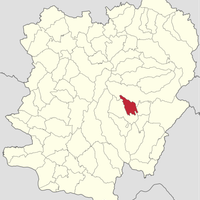
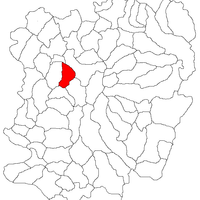
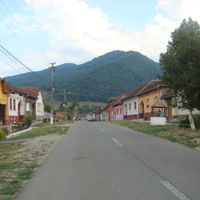
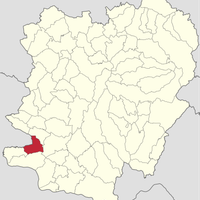
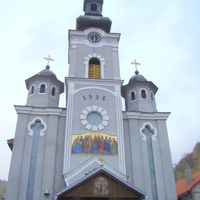
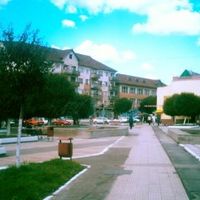
Caraș-Severin County, County division in southwestern Romania.
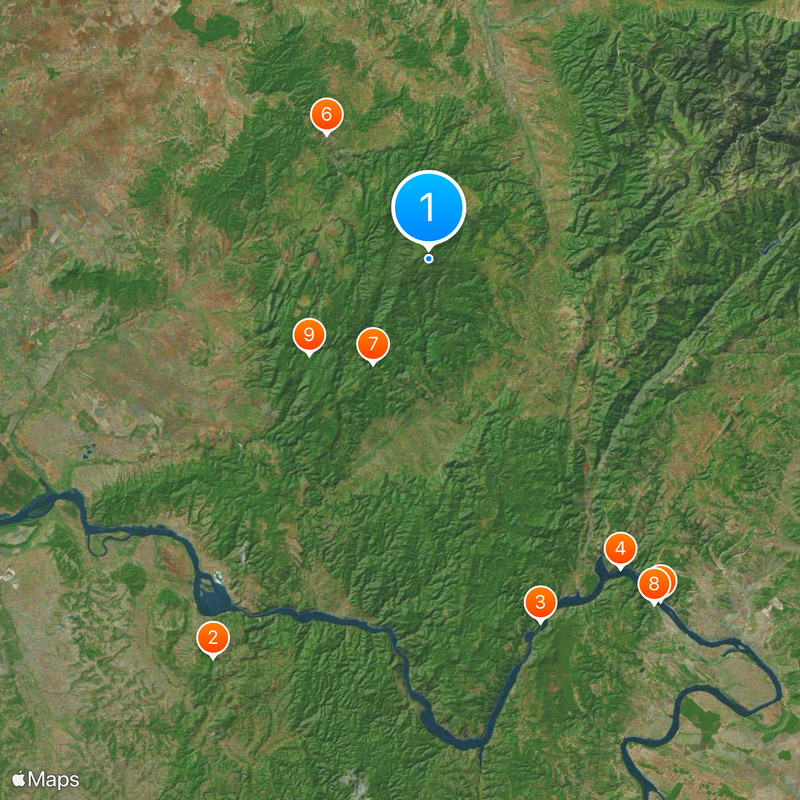
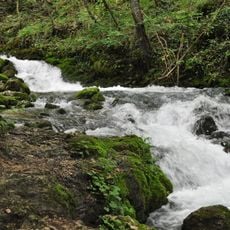
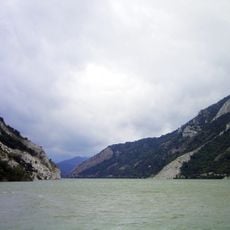
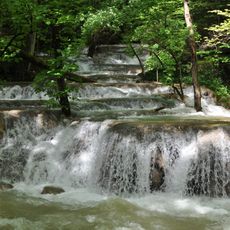
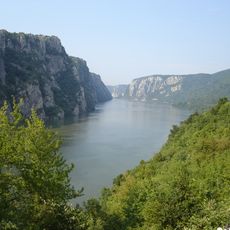
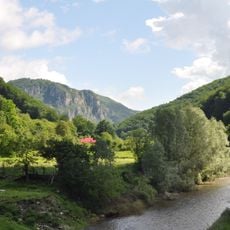
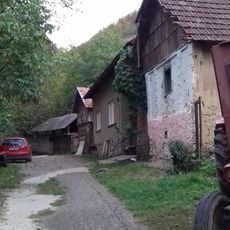
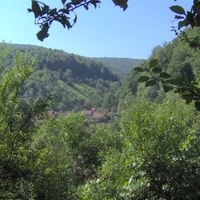
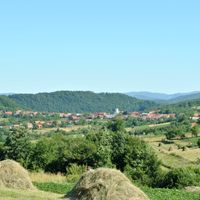
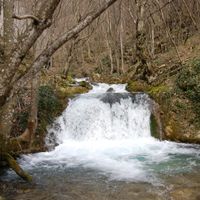
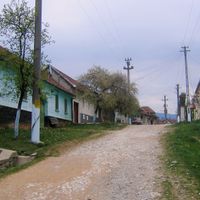
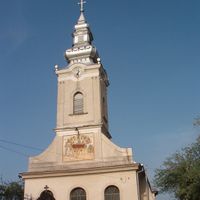
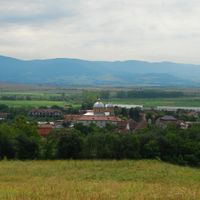
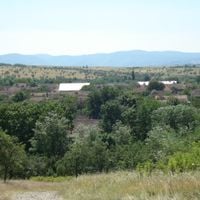
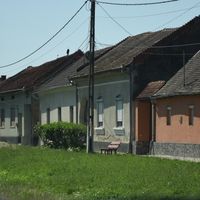
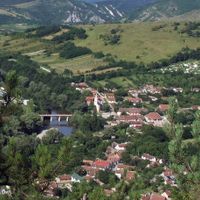
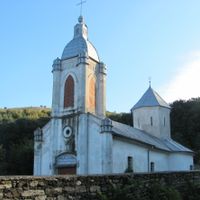
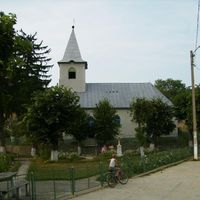
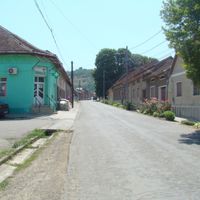
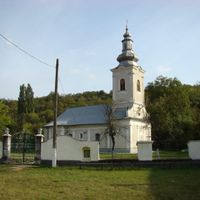
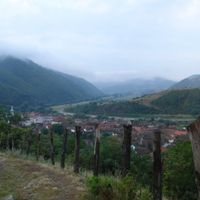
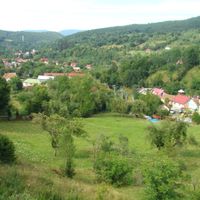
Caraș-Severin is a county in southwestern Romania spanning mountains, river valleys, and natural caves with thermal springs scattered throughout. The territory contains several towns and villages nestled within varied terrain shaped by the western Carpathians.
The county took shape in 1919 after World War I when territories from the former Caraș and Severin counties merged into a single administrative unit. This restructuring established the region's governance framework as it remains organized today.
Throughout the county, municipalities host festivals where visitors encounter traditional music, crafts, and local food that reflect the region's heritage. These gatherings show how communities maintain their customs and celebrate what makes each area distinct.
The major towns of Reșița, Caransebeș, and Băile Herculane connect through multiple daily train and bus services. Visitors should expect hilly terrain and allow adequate travel time when moving between settlements across the county.
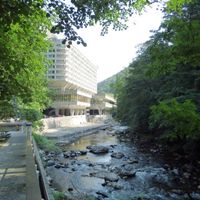
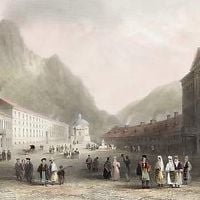
The territory holds numerous thermal water sources, particularly concentrated in Băile Herculane, where mineral-rich springs have flowed continuously since ancient Roman periods. These waters have drawn visitors seeking their healing properties for centuries.
The community of curious travelers
AroundUs brings together thousands of curated places, local tips, and hidden gems, enriched daily by 90,808 contributors worldwide.