Caransebeș, city in Caraș-Severin County, Romania
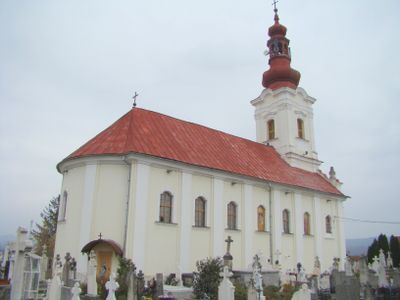
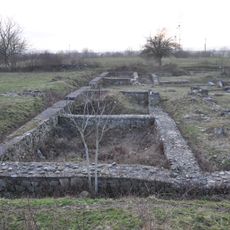
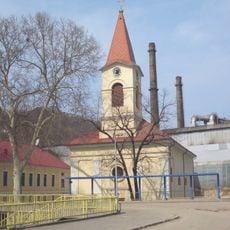
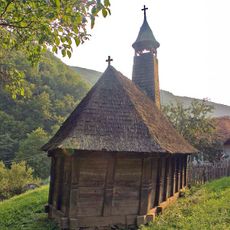
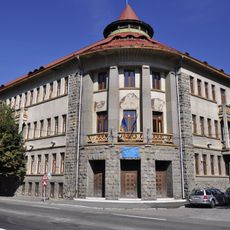
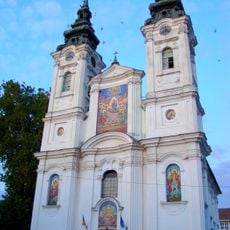
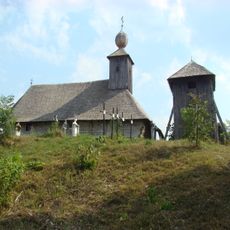
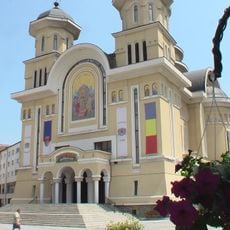
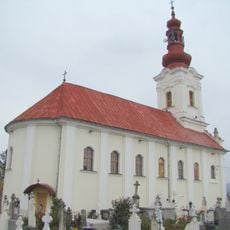
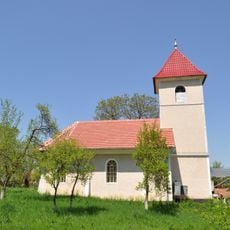
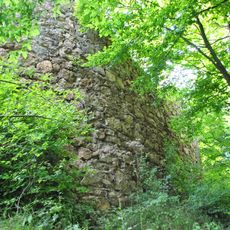
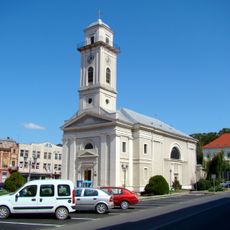
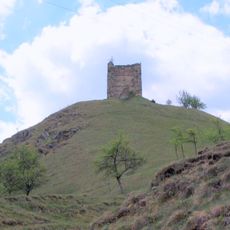
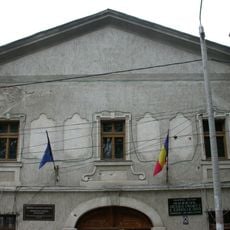
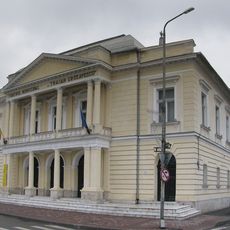
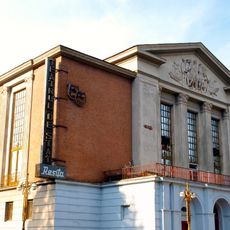
Caransebeș is a small town in Caraș-Severin County in southwestern Romania, situated where the Timiș and Sebeș rivers meet and surrounded by mountains. The town displays a mix of historical structures influenced by Austro-Hungarian architecture, including an 18th-century Orthodox church with thick stone walls, a Baroque Catholic church, and ruins of a former Franciscan monastery in its center.
The town traces back several centuries with evidence of early settlements and significant development under Roman rule. It became part of the Austro-Hungarian Empire, then Romania, and later experienced socialist rule, with each period leaving traces in the architecture and local culture that remain visible today.
Caransebeș is home to Romanian, Roma, Ukrainian, and German communities that keep their heritage alive through local festivals, music, and crafts. During seasonal celebrations, especially in the ethnography museum yard in fall, residents display traditional costumes, embroidery, and homemade foods like smoked sausages, cheese, and honey while folk music groups perform dances and songs.
The town is accessible by road via national routes with no direct highway connection, and driving or cycling through the mountain scenery is pleasant. Most visitors spend about two hours exploring the churches, park, and old town area at a comfortable pace.
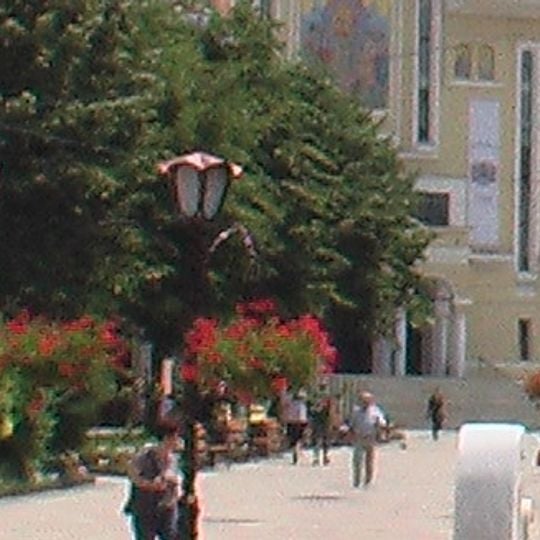
General Drăgălina park still features a statue of Austrian Emperor Franz Joseph from an earlier period, though it was later joined or replaced by a statue of a Romanian general. This reflects the town's changing history under different powers and makes the transformation across time visible.
The community of curious travelers
AroundUs brings together thousands of curated places, local tips, and hidden gems, enriched daily by 90,834 contributors worldwide.