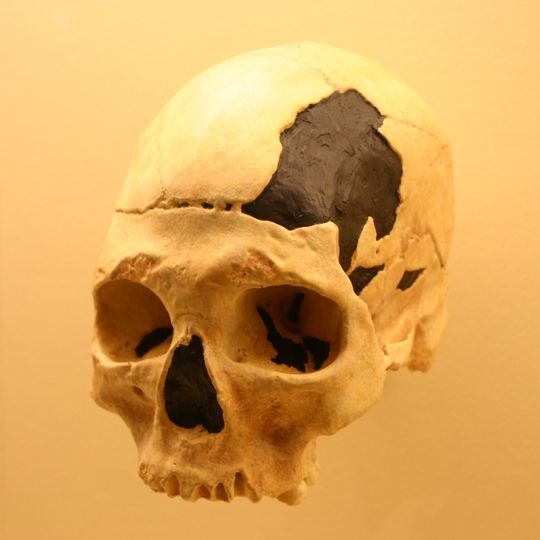
Peștera cu Oase, Archaeological cave in Anina, Romania
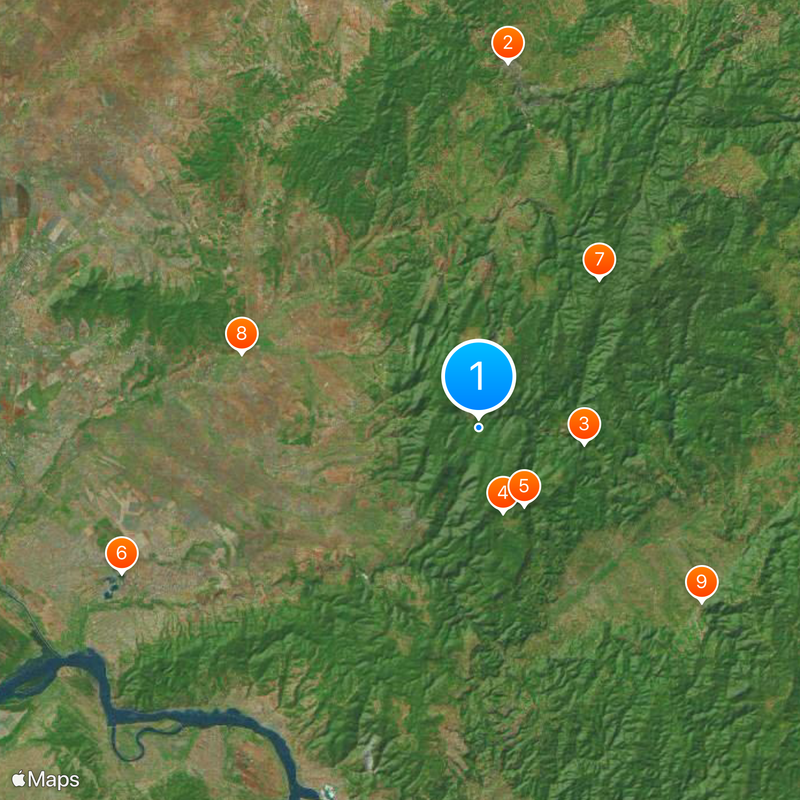
Peștera cu Oase is an archaeological cave in the Cheile Nerei–Beușnița Natural Park near Anina in the Southern Carpathians of Romania. Twelve galleries and chambers stretch through the limestone rock of Caraș-Severin County and form a widely branching system underground.
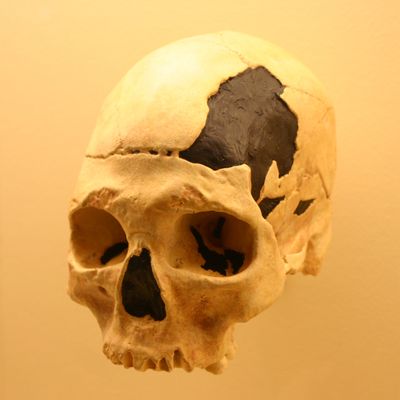
Cave explorers discovered the oldest remains of modern humans in Europe in 2002, including a lower jaw dated to roughly 40,000 years ago. These finds set new standards for understanding the settlement history of the continent.
The bones carry genetic traces of mixing between modern humans and Neanderthals, which scientists confirmed through direct DNA analysis. Such evidence of contact between both groups can be documented clearly at very few places in Europe.
The cave remains closed to the public because researchers continue to carry out analyses and must protect the finds. Scientists coordinate all activities on site to preserve the delicate deposits and materials.
The remains from this cave contain the highest proportion of Neanderthal genes ever detected in an anatomically modern human. Some bones show that this person had a Neanderthal ancestor between six and nine generations earlier.
The community of curious travelers
AroundUs brings together thousands of curated places, local tips, and hidden gems, enriched daily by 90,791 contributors worldwide.