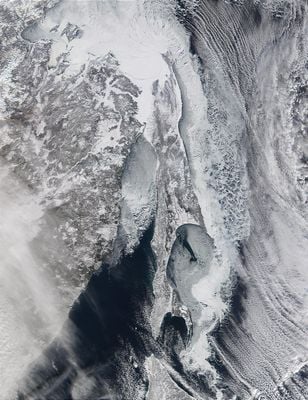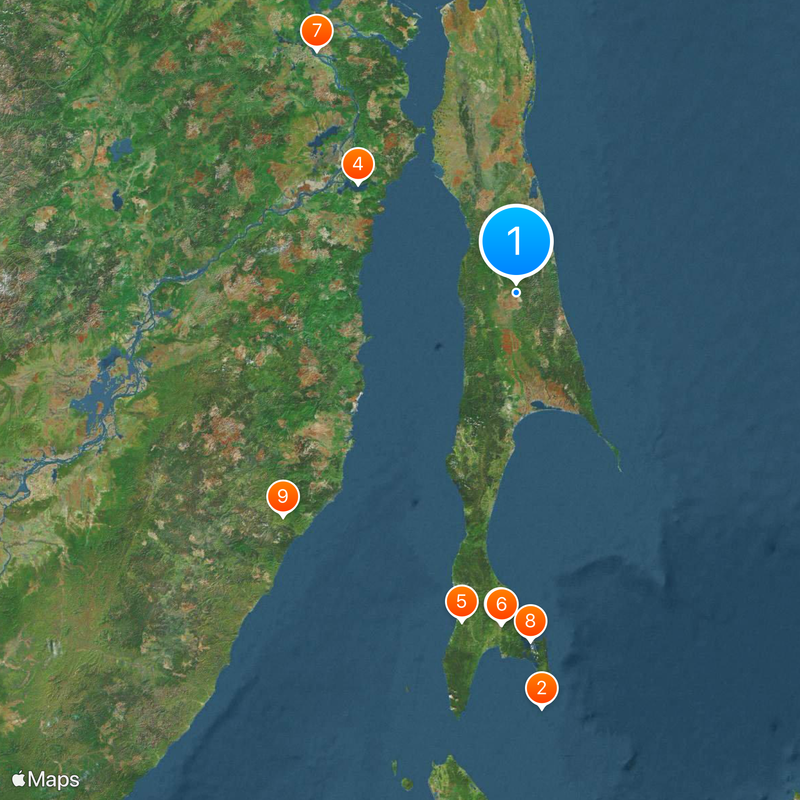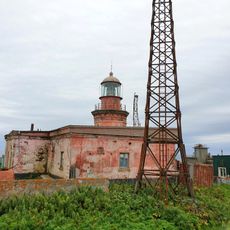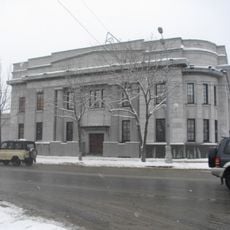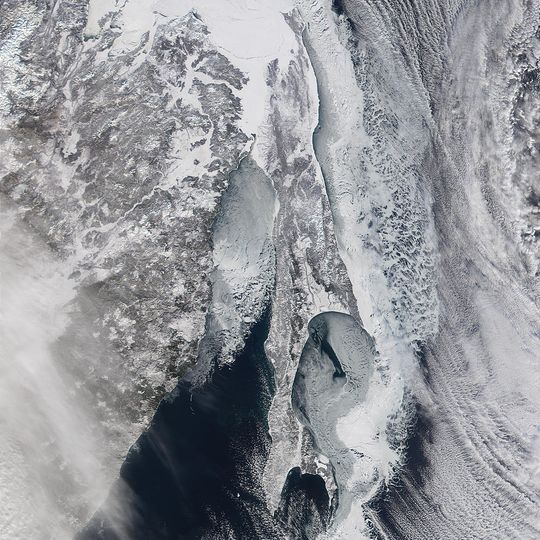
Sakhalin, Island in Far Eastern Russia.
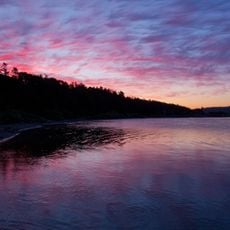
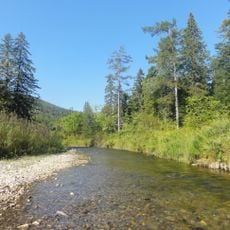
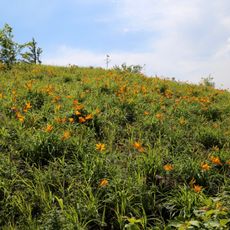
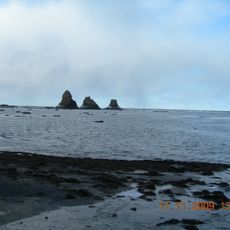
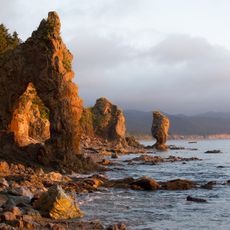
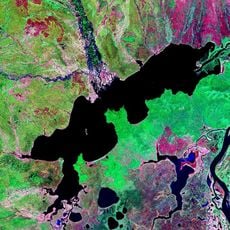
Sakhalin sits between the Sea of Okhotsk and the Sea of Japan, stretching roughly 1000 kilometers in length with two parallel mountain ranges that rise to 1609 meters. The coastlines shift between rocky cliffs on the western side and gentler bays to the east, while dense conifer forests cover much of the interior.
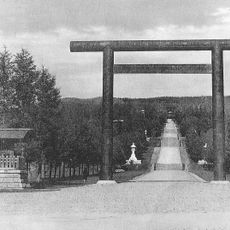
The Ming Dynasty placed a boundary stone here in 1616 to mark their claims, but control shifted several times between Russia and Japan in later centuries. After World War II the entire territory came under Soviet administration and has remained Russian ever since.
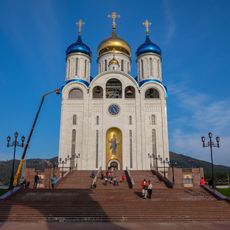
The island is home to Russian families, Korean communities, and indigenous Nivkh and Orok people who still fish the coastal waters using methods passed down through generations. In smaller settlements you can see wooden smokehouses and traditional salmon processing techniques that remain part of everyday life.
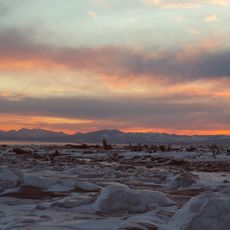
The economy depends on oil extraction, natural gas, coal mining, forestry, and commercial fishing, visible in the working ports and industrial zones along the coast. Travelers should prepare for a harsh climate with long cold winters and cool summers, where warm clothing remains useful throughout the year.
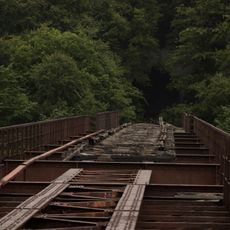
The Russian government offers free land parcels to citizens willing to relocate here in an effort to reverse population decline and stabilize the remote region. Despite the natural resources, infrastructure remains limited and many villages can only be reached by unpaved roads or by boat.
The community of curious travelers
AroundUs brings together thousands of curated places, local tips, and hidden gems, enriched daily by 91,869 contributors worldwide.