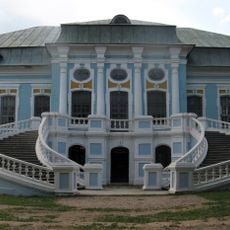
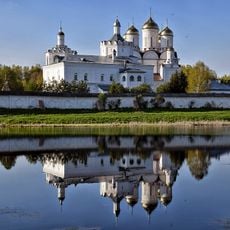
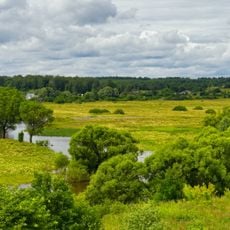
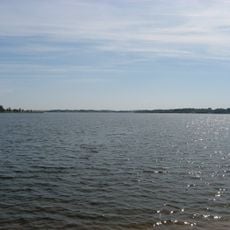
Smolensk–Moscow Upland, Terminal moraine landform in western Russia.
The Smolensk-Moscow Upland is a terminal moraine landform in western Russia that spans a large region. The surface displays gentle hills and valleys with clay soils and limestone deposits left by ancient glaciers.
This landform developed around 20,000 years ago as glaciers retreated and left behind sediment deposits. The region later became significant in military campaigns that crossed its terrain.
The rolling hills shaped how communities built their villages and towns over centuries. Today, farming rhythms and local traditions still reflect the geography of these elevated lands.
Visitors can explore this landscape best by traveling on roads and local routes that wind through the hills and valleys. The best time to visit is late spring through early fall, when paths are dry and easy to navigate.
This upland serves as a natural water divide where rivers flow in different directions toward separate basins across eastern Europe. This geography created a natural hub for water systems that still shapes the region's hydrology today.
The community of curious travelers
AroundUs brings together thousands of curated places, local tips, and hidden gems, enriched daily by 92,585 contributors worldwide.