Upper Volga Reservoir, reservoir in Russia
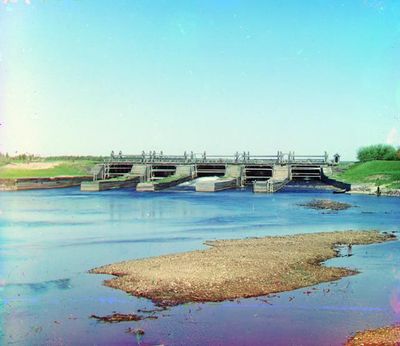
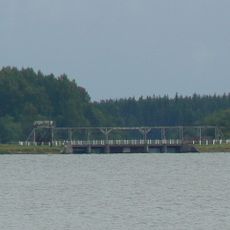
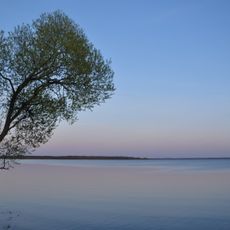
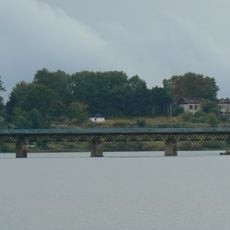
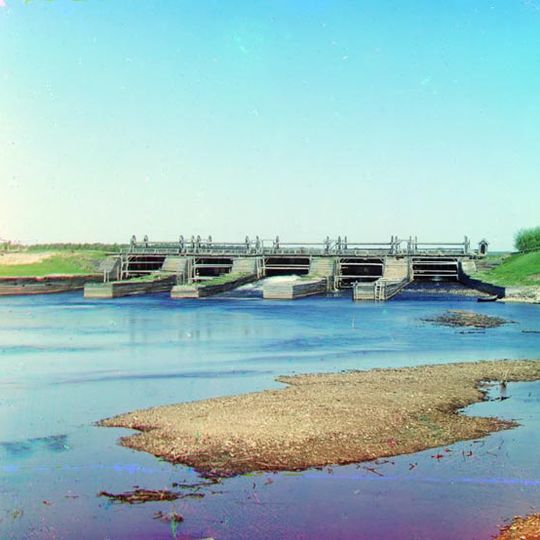
The Upper Volga Reservoir is a reservoir on the upper course of the Volga River, located in the Tver region of northwestern Russia on the Valdai upland. It was formed by a dam that connects several natural lakes and regulates the flow of the river downstream.
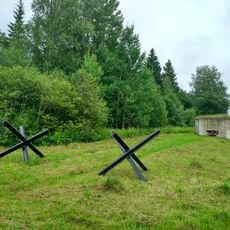
A first dam was built here in 1843 to raise the water level of the upstream lakes and improve navigation on the Volga. Soviet engineers destroyed it in October 1941 to slow the German advance, and it was rebuilt in 1943.
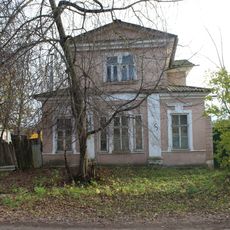
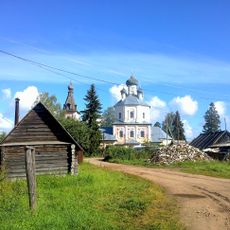
The villages around the reservoir have long relied on fishing as a daily activity, and small wooden boats are a common sight along the water. The pace of life here feels closely tied to the seasons and the water level, which changes throughout the year.
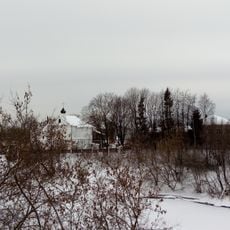
The reservoir freezes for several months in winter, which limits access to the water during that period. In warmer months, the shoreline can be reached at several points and is used for fishing and boating.
The dam here is one of the rare cases worldwide of a water infrastructure deliberately destroyed during wartime and then fully rebuilt. After reconstruction, the water level was raised higher than it had been before the wartime destruction.
The community of curious travelers
AroundUs brings together thousands of curated places, local tips, and hidden gems, enriched daily by 91,698 contributors worldwide.