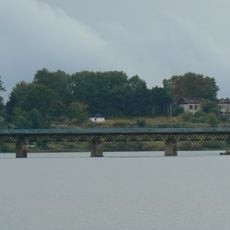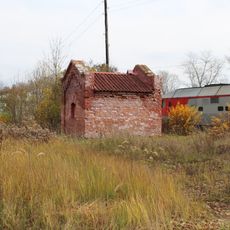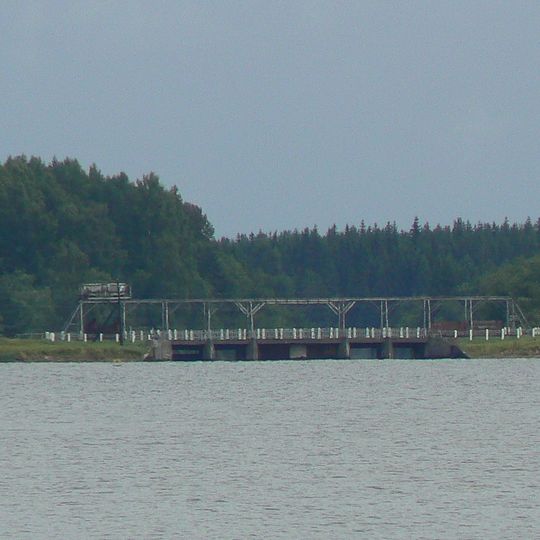
Upper Volga Floodgate, Water management structure in Selizharovsky District, Russia
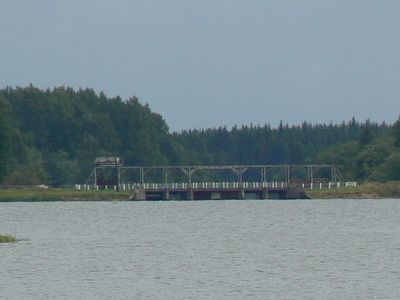
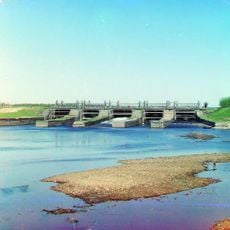
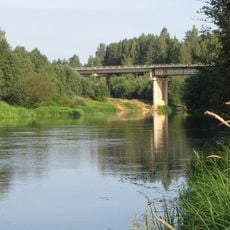
The Upper Volga Floodgate is a water control structure at the source of Europe's longest river, managing flow through a network of gates and concrete barriers. The facility also feeds water into the Moscow Canal, which supplies drinking water to the capital city.
The original dam was built in 1843 to improve navigation on the Volga and support trade routes. Soviet engineers later expanded and modernized the facility to generate electricity and supply water for major infrastructure projects like the Moscow Canal.
The structure reflects Soviet-era engineering approaches to river management and shaped how communities along the Volga adapted to controlled water flow. Visitors can observe how the facility became a landmark in the daily life of the surrounding region.
The floodgate is located in a rural area and is accessible to visitors interested in water management engineering and infrastructure projects. Spring through early autumn offers the best conditions for viewing, when weather is mild and the structure is easiest to observe.
The floodgate is part of the Big Volga project, a series of 11 dams that together supply a significant portion of the region's electricity grid. This engineering system unusually combines river management with large-scale power generation in a single interconnected network.
The community of curious travelers
AroundUs brings together thousands of curated places, local tips, and hidden gems, enriched daily by 90,753 contributors worldwide.