East Ural Nature Reserve, Nature reserve in Chelyabinsk Oblast, Russia.
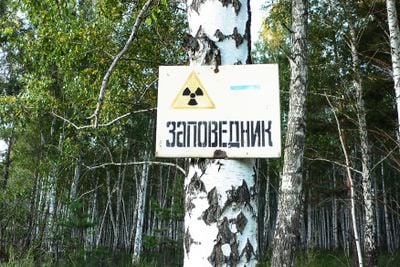
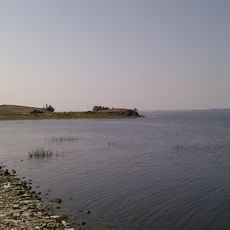
The East Ural Nature Reserve covers roughly 16,600 hectares along the eastern slopes of the southern Urals, where forest-steppe terrain mixes low pine stands, open grassland patches, and scattered wetlands. The landscape shifts between gentle ridges and shallow valleys, crossed by narrow streams and clusters of birch trees.
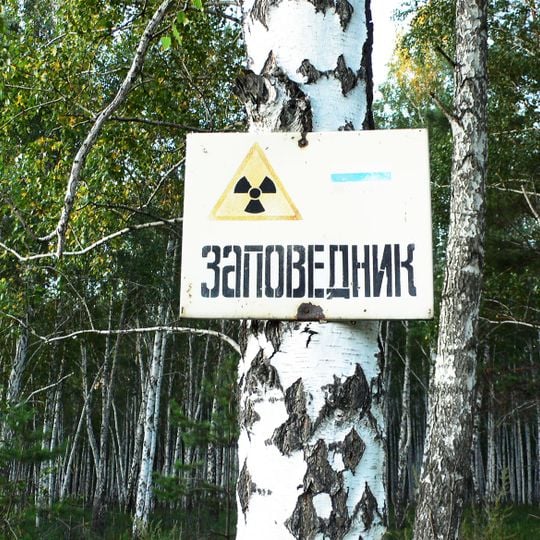
The area was formally protected in 1968 following the Kyschtym accident to monitor the aftermath of the radioactive release in 1957. Management was placed under the atomic energy authority, which has coordinated monitoring and research since then.
Scientists from multiple disciplines conduct research within the reserve to understand the long-term effects of radiation on forest-steppe ecology and wildlife populations.
Access is strictly restricted and only possible with official permission for scientific purposes. Visitors cannot enter freely, as the area remains under state supervision and requires radiological clearance.
The reserve serves as an open-air laboratory for long-term radiation studies in ecosystems, with researchers regularly sampling soil, plants, and animals. The data help document changes over decades and refine models for radioactive contamination.
The community of curious travelers
AroundUs brings together thousands of curated places, local tips, and hidden gems, enriched daily by 90,902 contributors worldwide.