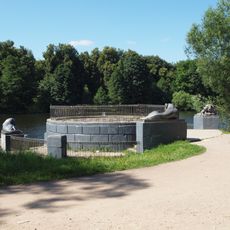
Музей русской усадебной культуры, Museum of Russian Estate Culture in Kuzminki District, Russia
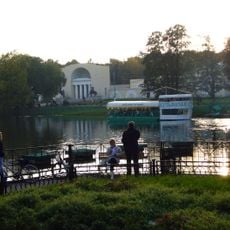
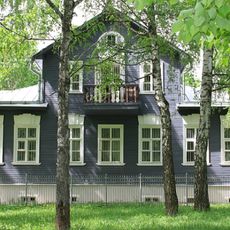
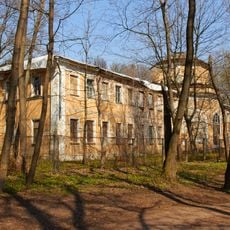
The Museum of Russian Estate Culture occupies restored historical buildings within the former Golitsyn estate grounds. The collections include furniture, artwork, and household objects that document aristocratic life and 18th-century architecture.
Peter I granted these lands to the Stroganov family in 1702 as reward for service; the estate later passed to the Golitsyn princes and remained theirs until 1917. The ampir ensemble was built to designs by Domenico Gilardi, Matvey Kazakov, Ivan Yegotov, Mikhail Bykovsky and Ivan Vitali, with figures by sculptor Pyotr Klodt on the Horse Yard facade. A 1916 fire destroyed several main buildings; the Horse Yard, bathhouse, smithy and service wings survive. A 1999 exhibition led to the museum's opening in 2000.
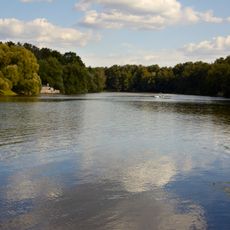
The name Vlahernskoe-Kuzminki comes from the miller Kuzma, whose house stood by the Golyedyanka river in the early 18th century, and from the church of the Vlahernskaya icon of the Mother of God on the opposite bank. The museum's six halls recreate a ballroom, drawing room and master's study, and concerts of classical music and romances are held here.
The grounds are easy to explore on foot, with different buildings housing various exhibitions. Comfortable shoes are helpful since you will walk through multiple structures and outdoor areas.
The museum's last room is devoted to the mazurka and polonaise, with a card table in the corner. At such a table Prince Alexander Golitsyn lost his wife at cards to the patron Lev Razumovsky at Kuzminki, causing a public scandal. Since 2004 the courtyard has held a 19th-century-style Park of Historical Amusements with croquet and ring-toss (serceau) areas.
The community of curious travelers
AroundUs brings together thousands of curated places, local tips, and hidden gems, enriched daily by 94,387 contributors worldwide.