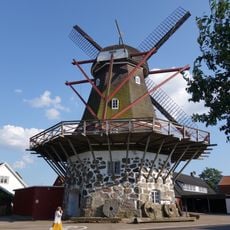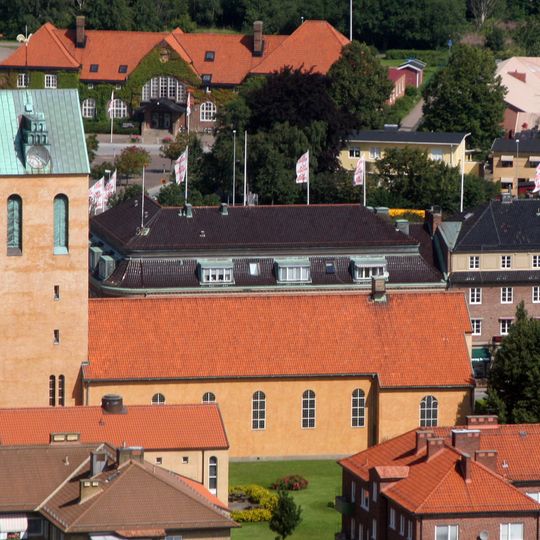
Höganäs, urban area in Höganäs Municipality, Sweden
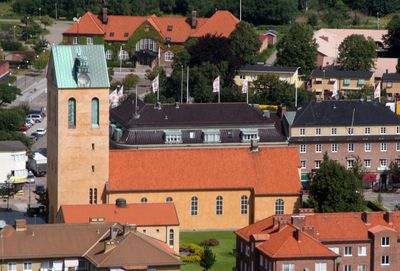
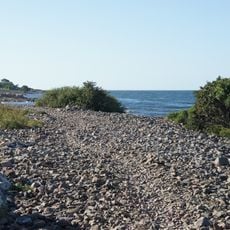
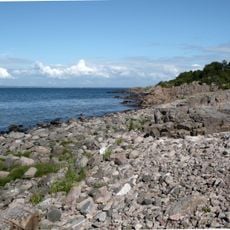
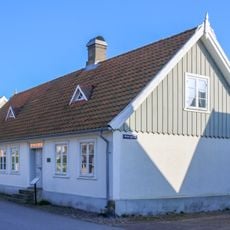
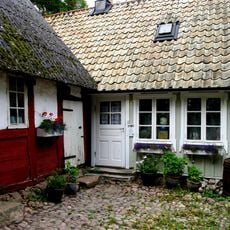
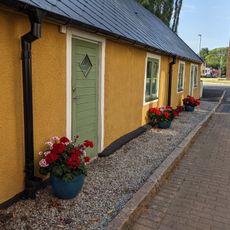
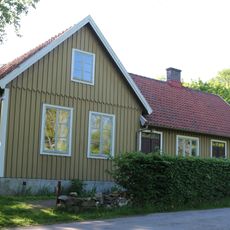
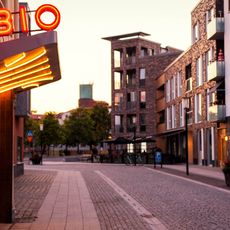
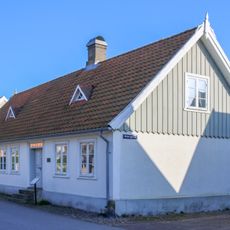
Höganäs is a coastal town in southwestern Sweden with around 14,000 residents, featuring old architecture and narrow streets that reflect its long history. The town includes a working harbor, nearby beaches like Kullens Havsbad, museums documenting its past as a fishing village and industrial center, and local ceramic workshops that continue traditional crafts.
Höganäs began as a fishing village first recorded in the 1400s and gradually developed into a significant settlement. Coal mining became central to the town from the late 1600s onward, followed by ceramic production, with an 18th-century wooden-rail railway built to transport coal to the harbor.
Höganäs maintains a strong ceramic and pottery craft tradition that remains visible in local workshops and shops today. The town's identity is deeply connected to this heritage, with handmade ceramics reflecting skills passed down through generations of local artisans.
The town center has a tourist office providing maps and information about local attractions and dining options. The walkways are flat and easy to navigate, with shops and cafes within walking distance throughout the area.
Höganäs housed Sweden's first wooden-rail railway, built in the late 1700s to move coal efficiently from mine to harbor. This early rail system was a groundbreaking transport solution that influenced the country's industrial development.
The community of curious travelers
AroundUs brings together thousands of curated places, local tips, and hidden gems, enriched daily by 60,000 contributors worldwide.