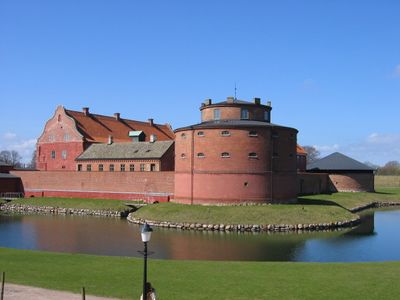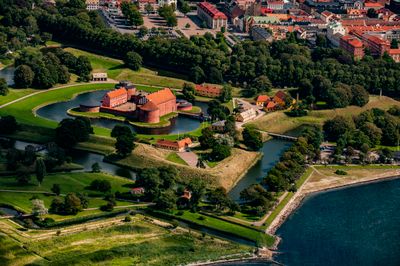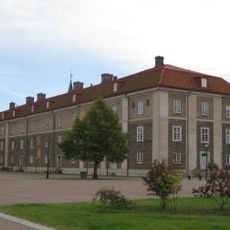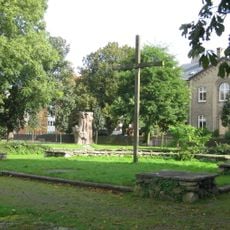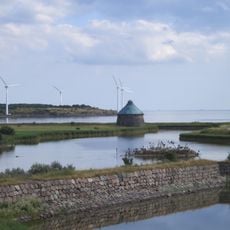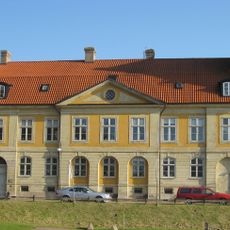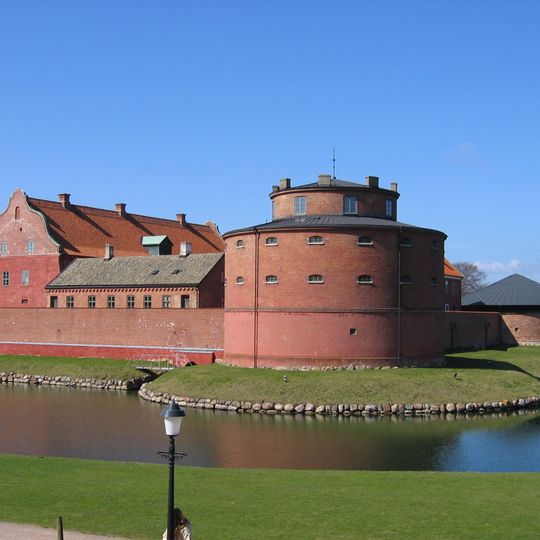
Landskrona Citadel, 16th century fortress in Landskrona, Sweden.
Landskrona Citadel is a 16th-century fortress in the town of Landskrona in southern Sweden, built with four round corner towers around a central square courtyard and surrounded by a wide water-filled moat. The complex also includes earthwork ramparts and outbuildings that together form a complete defensive ensemble still standing today.
King Christian III of Denmark ordered the fortress built between 1549 and 1559 to control the Oresund strait, one of the most important sea routes in northern Europe at the time. After the Treaty of Roskilde in 1658, the region passed from Denmark to Sweden, and the citadel has been in Swedish hands ever since.
The name 'citadel' reflects the fortress's role as an inner stronghold separate from the town, and today visitors can walk through the same thick-walled passageways that once controlled movement in and out. The courtyard still carries the feeling of an enclosed military world, set apart from everyday life outside the walls.
The outer grounds and courtyard are open during the day throughout the year, while access to the interior buildings is usually available through guided tours in the summer months. Comfortable footwear is a good idea, as the site covers a large area with uneven surfaces including cobblestones and grass paths.
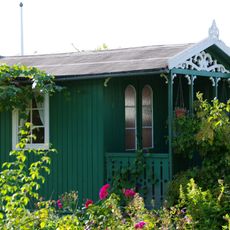
Within the fortress grounds lies Rothoffs Museikoloni, the oldest allotment garden in Sweden and the only allotment garden museum in the country. The garden was set up as a living record of a 19th-century community gardening model that has since disappeared almost everywhere else.
The community of curious travelers
AroundUs brings together thousands of curated places, local tips, and hidden gems, enriched daily by 91,692 contributors worldwide.