Chest opened
+${chestReward.xp} XP
Explorer
NOUVEAU ×${chestReward.collectible.quantity}
tapez pour fermer

See the monuments around you in AR Open chests in the app

Around Us is built for your phone — point your camera at the streets and discover the monuments and places around you in augmented reality. Around Us is built for your phone — chests unlock when you walk, explore and capture nearby places.

•

Enable Location

We need your location to show you interesting places around you

Discover nearby places

Find interesting locations and hidden gems around you

Precise directions

Get accurate directions and distances to places

Your location is never shared with other users. It's only used when you tap the location button.

Dragsmark Abbey

Log in to your account

Start exploring — it's free

Trusted by 93,518 travelers worldwide

Continue with Google
Continue with Apple
or

We will send you a code to connect

By continuing, you accept our Terms and Conditions and our Privacy Policy

Check your inbox

We've sent a pincode in your inbox. Please enter the code below.

Dragsmark Abbey, Monastery ruins in Uddevalla Municipality, Sweden

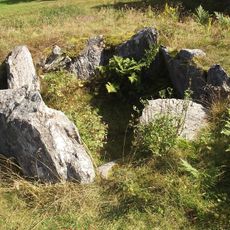
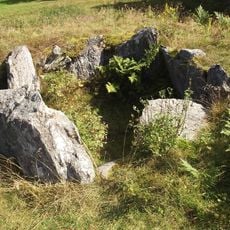
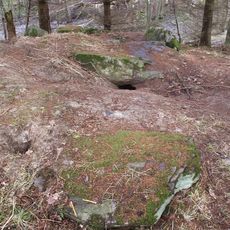
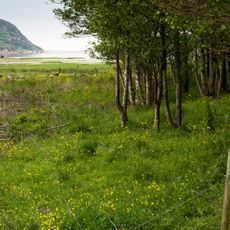
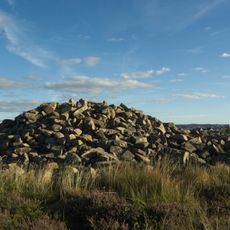
Dragsmark Abbey comprises stone ruins located near a fjord, with remaining walls that reveal the layout of the former buildings. The visible foundations of the church, sacristy, and chapter house allow visitors to trace the original structure and daily organization of the site.

The monastery was established before 1260 with support from King Hakon Hakonsons and operated as a Premonstratensian community. It ceased functioning in 1519 when it became the first to undergo secularization in the region.

The abbey is linked to the ballad of Sir Axel Tordsson and fair Valborg Ingemarsdotter, a tragic love story set at Dragsmark and known in Bohuslän by the early 18th century. The Danish poet Oehlenschläger used it for his play Axel and Valborg, moving part of the action to Trondheim Cathedral. A medieval English chalice, said to be given by King Håkon Håkonsson, was used in the parish until the 1970s.

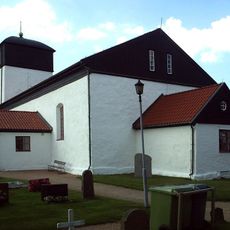
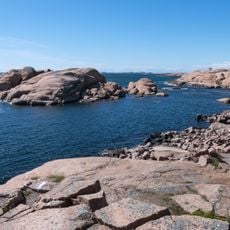
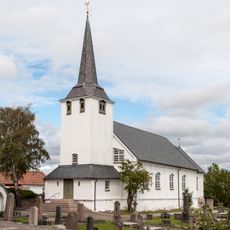
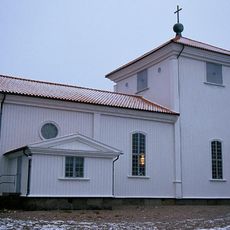
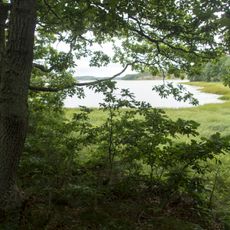
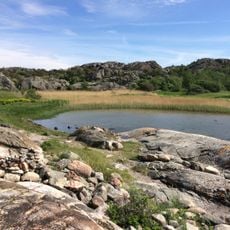
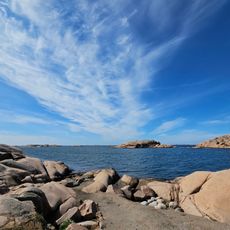
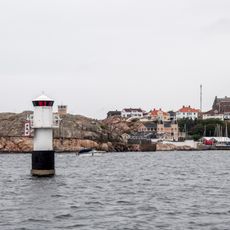
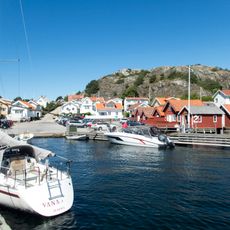
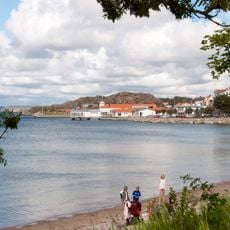
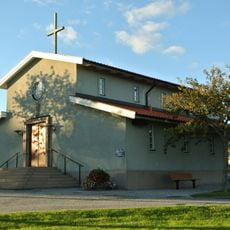
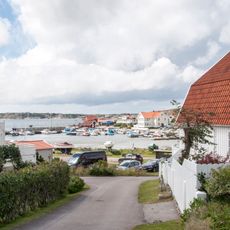
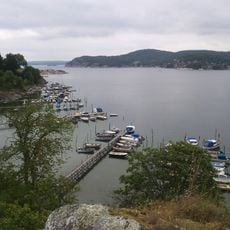
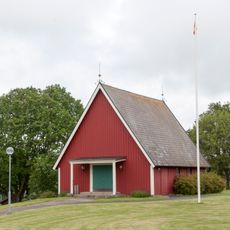
The ruins lie on the western tip of the Bokenäset peninsula, beside Dragsmarks kyrka, on the fjord between Uddevalla and the sea, north of Orust. The church plot was cleared around 1900 and its massive foundation walls exposed to a height of one metre, so the ground is uneven. The conventual buildings to the south are only partly excavated.

The stones from the deteriorating monastery buildings were repurposed in 1610 to build the nearby Bahus Fortress. This transformation shows how religious structures were converted into military defense works.

The community of curious travelers

AroundUs brings together thousands of curated places, local tips, and hidden gems, enriched daily by 93,518 contributors worldwide.

Start exploring
Inception
13 century
GPS coordinates
58.25187,11.55126
Latest update
October 31, 2026 00:42
Reviews
Share your experience

No review yet

Discussions
Start a discussion...

No discussion yet

« Dragsmark Abbey - Monastery ruins in Uddevalla Municipality, Sweden » is provided by Around Us (aroundus.com). Images and texts are derived from Wikimedia project under a Creative Commons license. You are allowed to copy, distribute, and modify copies of this page, under the conditions set by the license, as long as this note is clearly visible.

Discover hidden gems everywhere you go!

From secret cafés to breathtaking viewpoints, skip the crowded tourist spots and find places that match your style. Our app makes it easy with voice search, smart filtering, route optimization, and insider tips from travelers worldwide. Download now for the complete mobile experience.
Around Us App Screenshot
❝

A unique approach to discovering new places❞

— Le Figaro

❝

All the places worth exploring❞

— France Info

❝

A tailor-made excursion in just a few clicks❞

— 20 Minutes

Around Us
Travel Guide & Maps
Download

Send to your phone

QR Code
1

Open the camera app on your mobile.

2

Point at the QR code with your camera. A notification will appear.

3

Tap the notification to open the link.