Swedish Livonia, Administrative territory in Baltic region, Sweden
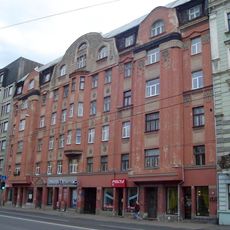
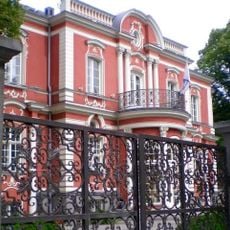
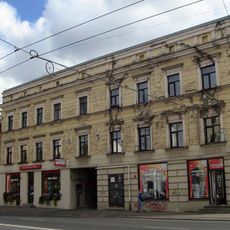
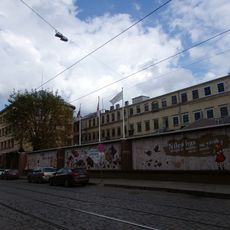
Swedish Livonia was an administrative territory spanning northern Latvia and southern Estonia from 1629 to 1721, with Riga serving as the administrative center. The region encompassed diverse landscapes and operated through a decentralized governance structure with local representative bodies.
The territory came under Swedish control through the Truce of Altmark in 1629 following military victories against the Polish-Lithuanian Commonwealth. Swedish administration introduced reforms in tax collection and infrastructure development until the territory was lost in 1721.
The territory brought together Latvians, Estonians, Germans, and Swedes in a shared space. Lutheran faith took root as the primary religious practice that shaped community life and local customs.
The territory was accessible from northern Europe through Riga, which served as a major trade hub with a multilingual population. Visitors should note that administrative structures were decentralized and regional differences in culture and language existed throughout.
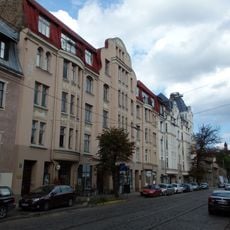
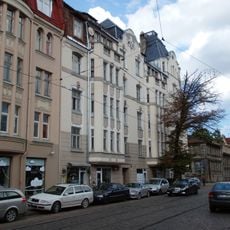
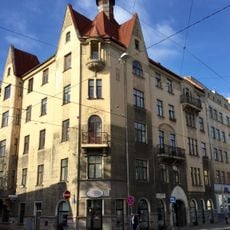
Riga grew into the second largest city of the realm during this period and controlled vital Baltic Sea trade routes. This position made the city an essential economic center that mediated goods flowing between Scandinavia and other European markets.
The community of curious travelers
AroundUs brings together thousands of curated places, local tips, and hidden gems, enriched daily by 90,836 contributors worldwide.