Alvastra pile-dwelling, Neolithic settlement in Ödeshög Municipality, Sweden
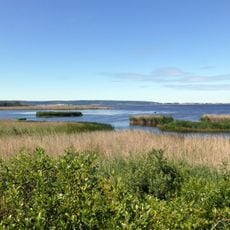
The Alvastra pile-dwelling is a stilt structure from around 3000 BC built in the swamp Dagsmosse, not on a lakeshore. Its oak, elm, hazel and crabapple posts supported log floors divided into rooms, with about 100 hearths; the site now lies underground with no visible remains, its extent marked by sticks pushed into the peat.
The settlement was inhabited roughly 5000 years ago, as shown by excavations starting in the early 20th century. The finds suggest people lived there across multiple generations and regularly rebuilt their houses.
The site was a seasonal gathering place, used mainly in summer after the hunting and harvest season, with about 100 limestone hearths spread across the platforms. Pottery here is of the Pitted Ware culture while tools and weapons belong to the Funnelbeaker culture. Among the finds are double-edged battle axes and a skull bearing cut marks from scalping.
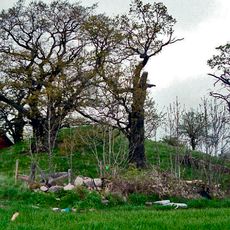
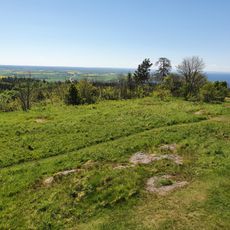
The dwelling lies beneath the surface of Dagsmosse bog, a short distance out from the shore, and has no remains visible to the eye. The positions of its different parts are marked with sticks pushed down into the peat. The waterlogged ground is what preserved the oak, elm, hazel and crabapple posts, so stay on the marked ground and keep to the sticks.
The site lies buried in Dagsmosse bog, with no visible remains above ground; the positions of its different parts are marked by sticks pushed into the peat. The oak, elm and hazel posts survived because the groundwater table stays high, fed by a spring in the area.
The community of curious travelers
AroundUs brings together thousands of curated places, local tips, and hidden gems, enriched daily by 94,383 contributors worldwide.