Gotska Sandön, National park island in Baltic Sea, Sweden.
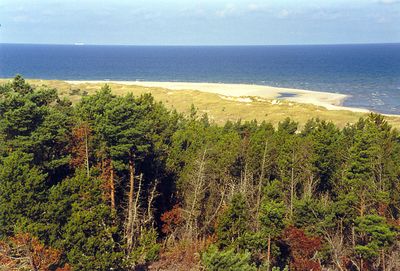
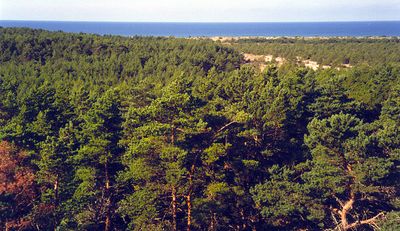
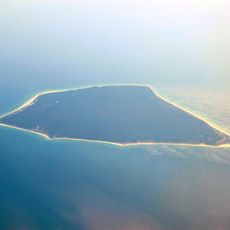
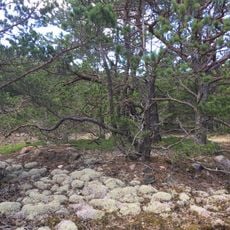
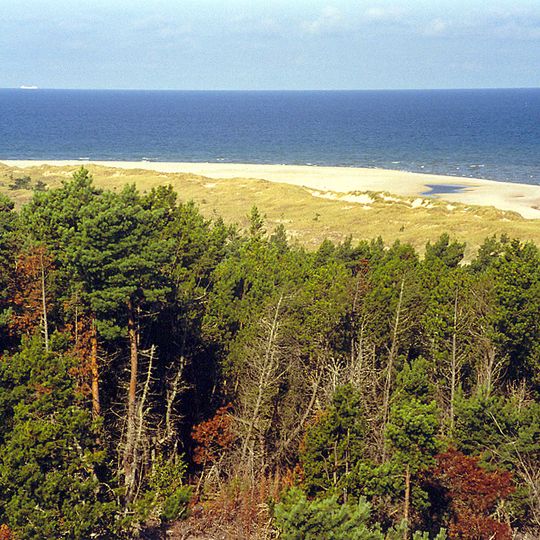
Gotska Sandön is a national park island in the Baltic Sea featuring approximately 8 kilometers of sandy terrain mixed with pine forests and gravel areas. The shoreline stretches about 30 kilometers and offers exposed dunes, woodland, and open sandy expanses.
After the Reformation the island passed to the Swedish crown. In 1543 Gotlanders complained that seal hunting on Gotska Sandön had nearly ceased under heavy taxes; a 1653 record notes Fårö residents paying 10 seal skins and 2.5 barrels of seal blubber yearly for hunting and fishing rights. In 1758 Johan Larsson Lythberg bought the island to start a sheep farm but lost it in 1762 after a dispute with Fårö residents. The state bought back the northern half in 1859 and the rest in 1861.
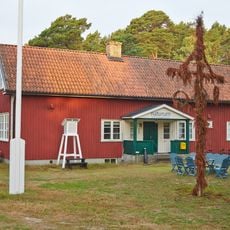
The island's name means "The Gotlandic Sand Island". Its chapel stands at the northwest tip and, as of 2019, belongs with Fårö Church to Fårö parish in Norra Gotlands pastorat. The wooden buildings of the lighthouse station, red-panelled and set symmetrically around a courtyard, are among the cultural structures the national park lists as worth seeing.
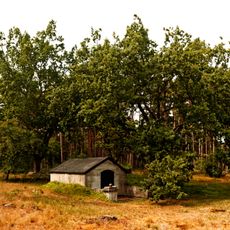
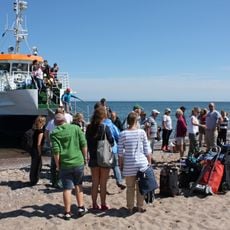
Regular boat tours run from Fårö and from Nynäshamn on the mainland in summer. The island is a national park, so stay on marked paths and keep away from the protected grey seal colony on the north side; the best view of it is from Sälutkikstallen. The chapel stands at the northwest tip.
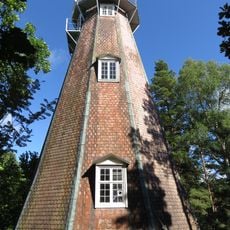
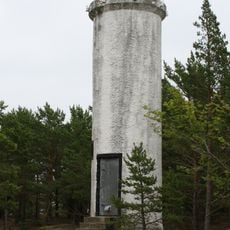
Two identical wooden-clad steel-skeleton lighthouses on screw piles were built in 1858–1859 to warn of the Kopparstenarna shoal; the southern tower was demolished in 1903 and only the northern one remains. A local telephone line linked the lighthouse stations two years after the third light was set up on the southeast point in 1883.
The community of curious travelers
AroundUs brings together thousands of curated places, local tips, and hidden gems, enriched daily by 93,388 contributors worldwide.