Borgeby Castle, Medieval castle in Lomma Municipality, Sweden
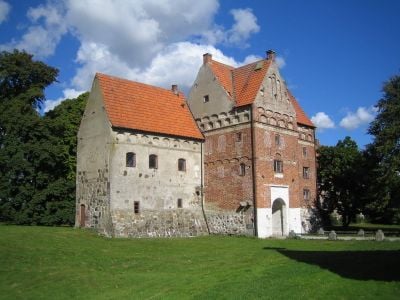
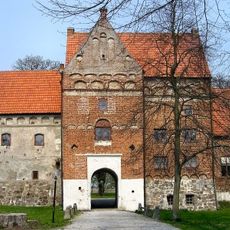
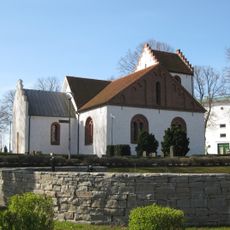
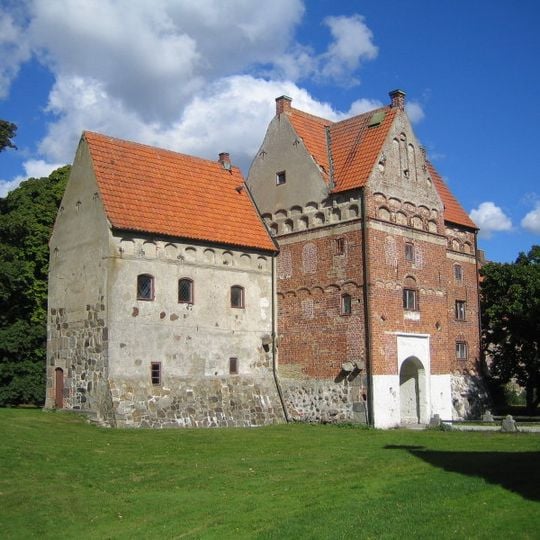
Borgeby Castle consists of two joined wings beside the Kävlingeån. The lower left wing is pale grey stone with a steep orange-red clay tile roof, four small arched windows in the upper storey and a dark doorway at the far left. The taller right wing is red brick on a rough stone base, with rows of small windows, a recessed arched entrance and brick corbelling along the upper wall. The main building dates from 1650–1660.
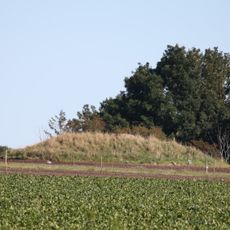
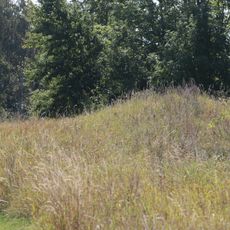
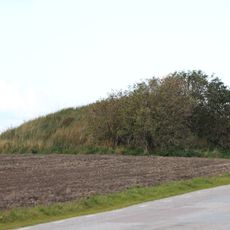
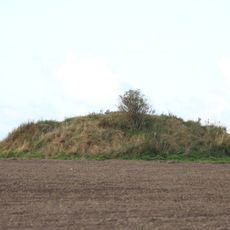
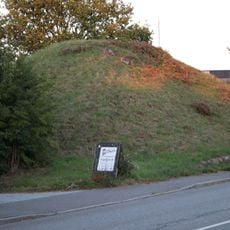
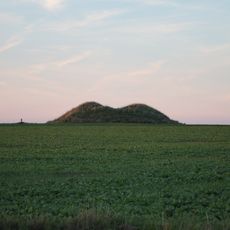
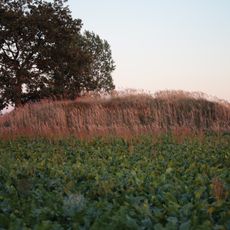
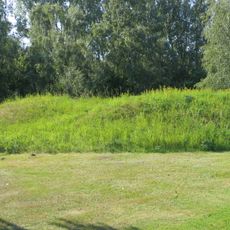
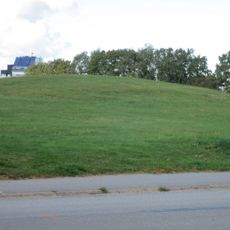
Borgeby Castle occupies the site of an 11th-century ring fortress, possibly from the reign of Harald Bluetooth, with a diameter of about 150 metres and two separate ditches; its buildings burned in the Viking Age. Excavations in 1998 found evidence of a mint, taken to show the site belonged to the Archbishop of Lund until 1536. Swedes burned it in 1452 and Danes in 1658, and finds hint at a further fire, perhaps during the farmers' revolt of 1525.
The Norlind Museum, opened in 1988 by the Hanna and Ernst Norlind Foundation, occupies Ernst Norlind's former studio and gallery and is managed by Kulturen in Lund. It shows paintings by Norlind, who moved to Borgeby with his wife Hanna Larsdotter, daughter of Lars Pehrsson, the manor's 1886 auction buyer.
The castle rents its rooms for meetings, seminars, events, and celebrations, and operates a café during summer months. Visitors should note that opening times may vary depending on scheduled events.
The 1998 excavations uncovered traces of a mint, which is taken as evidence that Borgeby belonged to the Archbishops of Lund from its origins until 1536. The castle stands beside the Kävlingeån, Scania's largest river, on the site of an 11th-century ring fortress that may have had a diameter of 150 metres.
The community of curious travelers
AroundUs brings together thousands of curated places, local tips, and hidden gems, enriched daily by 93,529 contributors worldwide.