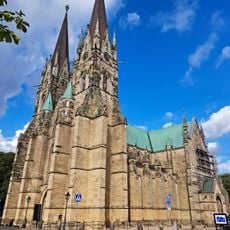
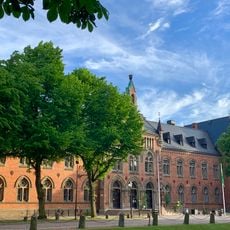
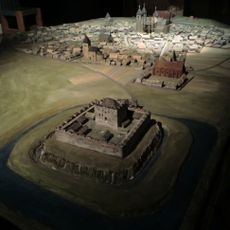
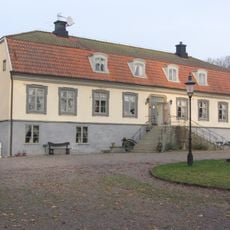
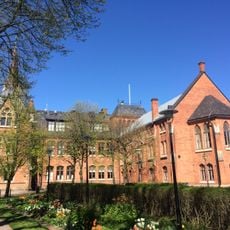
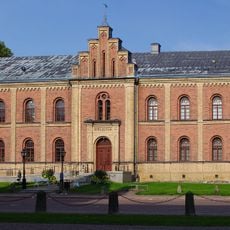
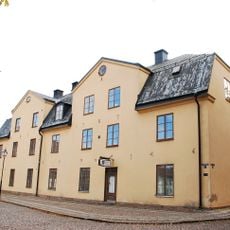
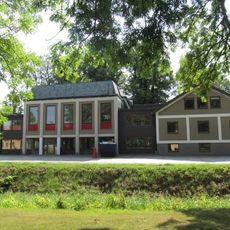
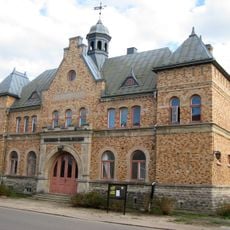
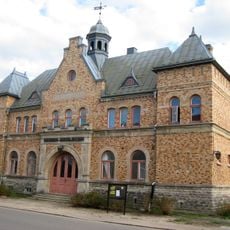
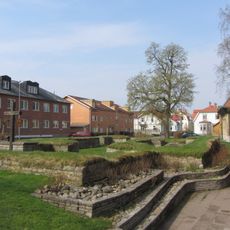
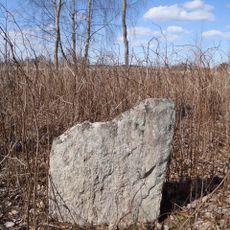
Västergötland museum, Regional history museum in Skara, Sweden.
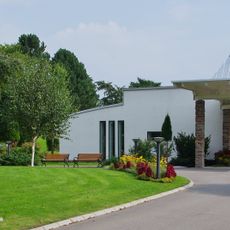
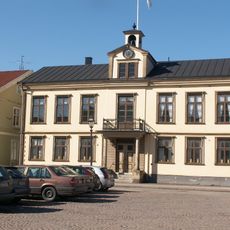
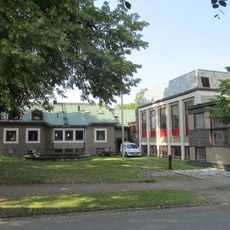
Västergötland Museum is a regional museum in Skara with multiple buildings housing collections of artifacts, documents, and exhibits that document the region's history. The collections range from ancient times to more recent periods and include archaeological finds alongside historical documentation.
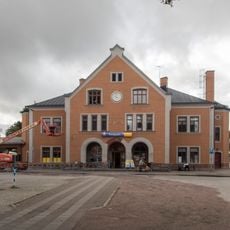
The museum opened in 1865 under its current name; its building, designed by Charles Lindholm, was completed in 1919. From 1977 it was run by a foundation of the antiquarian society, the Skaraborg county council and Skara municipality, and was called Skaraborgs länsmuseum until 1999. It took its present name again after Skaraborg was merged into Västra Götaland in 1998.
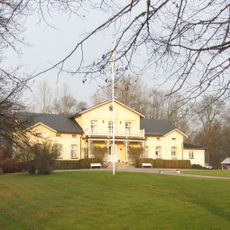
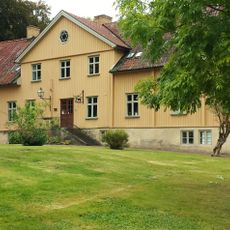
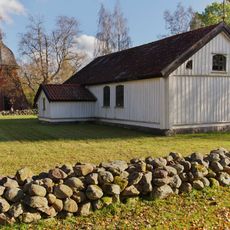
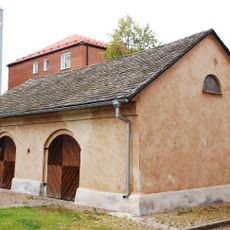
The outdoor section called Fornbyn displays traditional buildings from different periods, showing how people in this region lived and worked. Walking through these structures gives a sense of how daily life and building styles changed over the centuries.
The museum building from 1919 and the adjoining open-air museum Fornbyn with about thirty relocated buildings lie next to each other in Skara, so both can be seen in one visit. The museum also runs Heljesgården farm on the western slope of Billingen. Its archive has been open to the public since 1995.
The museum owns the Bjurum organ, built by Nicolaus Manderscheidt in Nuremberg around 1643–1651. It was listed in 1651 as the house organ of Visingsborg Castle, donated around 1660 to Brahe Church on Visingsö, moved to Jönköping Castle in 1691, and bought by the antiquarian society in 1918. Mads Kjersgaard restored it in 1972–1976.
The community of curious travelers
AroundUs brings together thousands of curated places, local tips, and hidden gems, enriched daily by 93,444 contributors worldwide.