Älvdalen, urban area in Älvdalen Municipality, Sweden
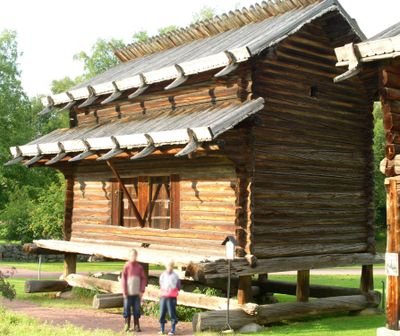
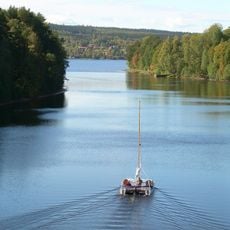
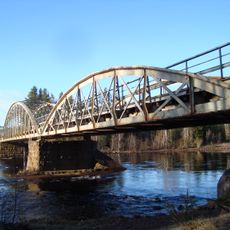
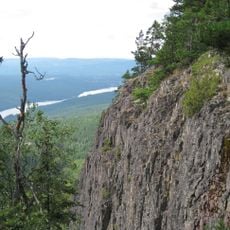
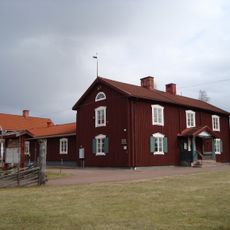
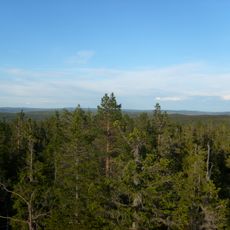
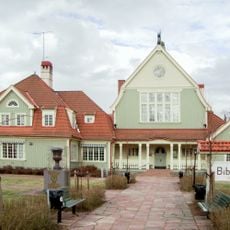
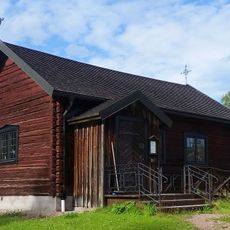
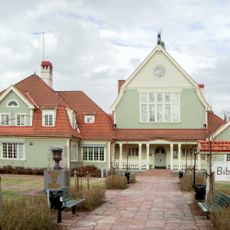
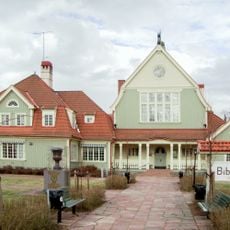
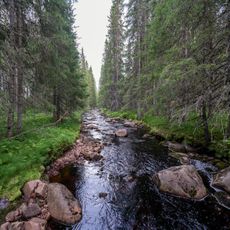
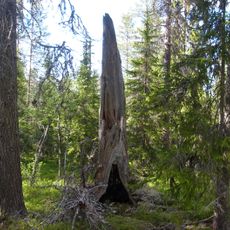
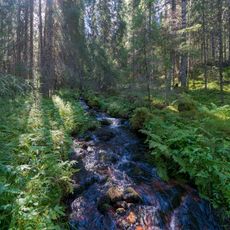
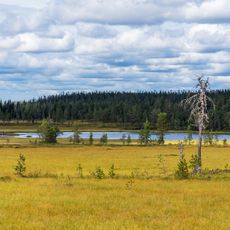
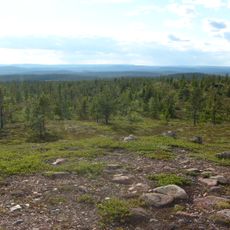
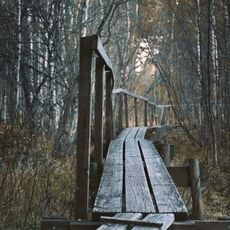
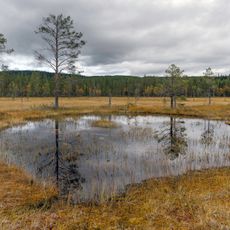
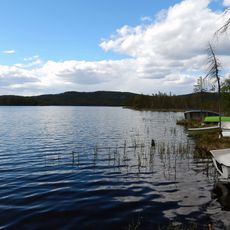
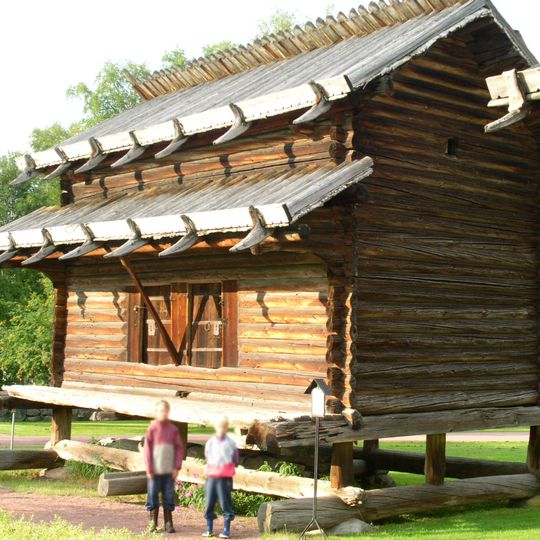
Älvdalen is a small town in Sweden's Dalarna region, situated in a valley near a river where simple wooden houses define the character of the place. The area is surrounded by extensive forests, clear lakes, and natural landscapes that support activities like fishing, hiking, and winter skiing.
The town has a long tradition in craftsmanship and trade, historically rooted in forestry and farming. A remarkable episode was the creation of a 4-meter tall stone vase in 1839, which later became a gift to the Russian emperor and was placed in Saint Petersburg.
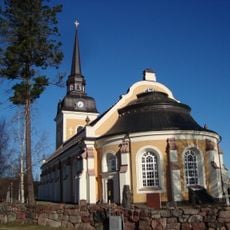
Älvdalen is known for the Elfdalian language, a local dialect that preserves old Norse words and is still spoken by some residents today. This speech form is a key part of the community's identity and appears in conversations and local stories that keep the area's cultural roots alive.
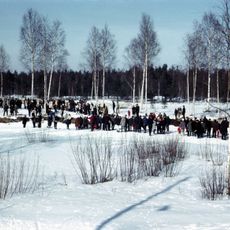
The town sits in a valley and is accessible via road connections that link it to other parts of Sweden. The year-round climate allows visits at any time, though winters bring heavy snow while warmer months are ideal for outdoor activities like hiking and fishing trips.
The area is known for special berries that grow wild in the forests, including the rare cloudberry, blueberries, raspberries, and lingonberries, which feature in local cuisine and drinks. These fruits are a key part of seasonal activities and show how closely the community connects with the surrounding nature.
The community of curious travelers
AroundUs brings together thousands of curated places, local tips, and hidden gems, enriched daily by 60,000 contributors worldwide.