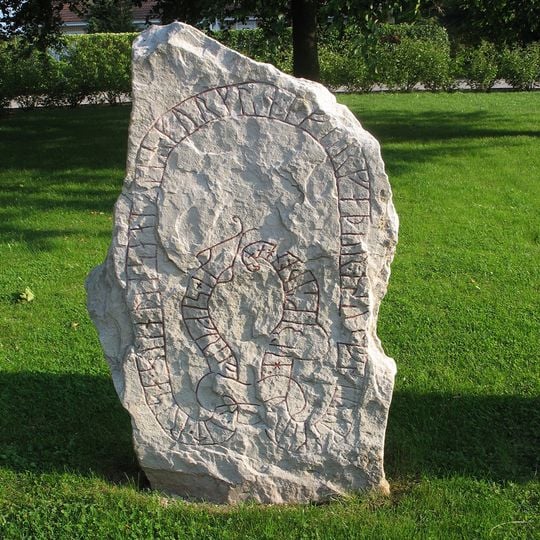
Simris Runestones, Medieval runestone monument at Simris Church, Sweden
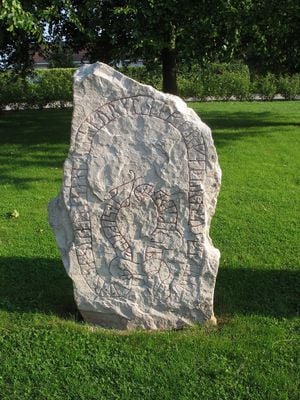
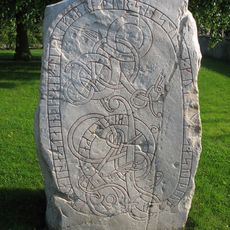
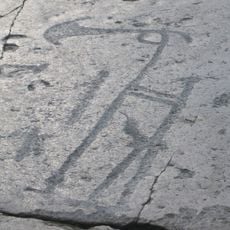
The Simris Runestones are two large stone slabs carved with serpentine patterns and runic inscriptions from the 11th century, standing near the church rectory. They display both northern and southern Scandinavian craftsmanship and preserve names and messages from people who lived over 900 years ago.
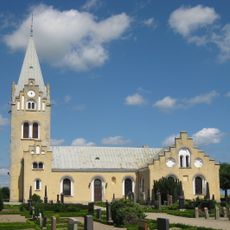
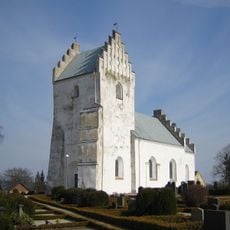
The stones were created in the 11th century and were rediscovered in 1716 during church restoration work, when they were found built into the walls. This discovery connected them to the era of King Cnut the Great and his influence across the region.
The inscriptions display names and artistic styles that reflect connections between Scandinavian communities across different regions. These linguistic features reveal how people from various areas shared cultural exchanges and traditions.
The stones are visible near the church without barriers and are easily accessible from the path. Visitors can examine them from all angles and should read any informational signs to better understand the carved messages.
One of these stones contains one of the oldest known documents mentioning Sweden by name, yet it displays an artistic style typical of northern Scandinavia. This is particularly striking because it was found in what was then Danish territory, suggesting extensive cultural and artistic connections across borders.
The community of curious travelers
AroundUs brings together thousands of curated places, local tips, and hidden gems, enriched daily by 60,000 contributors worldwide.