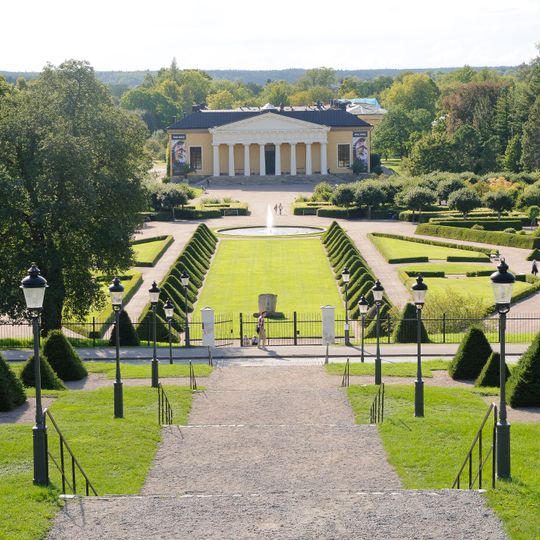
Uppsala Botanical Garden, Botanical garden at Uppsala University, Sweden
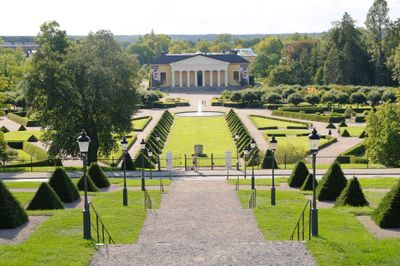
Uppsala Botanical Garden is a large garden next to Uppsala University in Sweden, with open beds, lawns, and a series of greenhouses built for different climate zones. The greenhouses hold tropical and subtropical plants, while the outdoor sections are arranged by plant family and region of origin.
Uppsala University established its first botanical garden in the 17th century, but that original site fell into disrepair over time. By the late 18th century, the garden was rebuilt on its current grounds following a royal decree.
Carl Linnaeus, the father of modern plant classification, taught at Uppsala University and worked closely with this garden, and his system still shapes how the plants are labeled and arranged today. Visitors can read the species tags and follow the logic of his naming method as they walk through the beds.
The garden is within walking distance of Uppsala city center and has paved paths throughout, though a few sections involve steps. The greenhouses offer a sheltered option during colder months when the outdoor beds are less active.
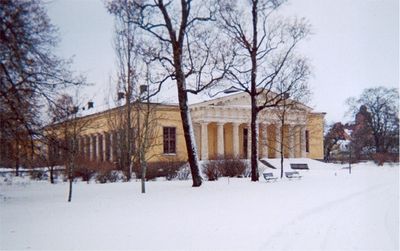
The baroque parterre in front of the orangery survives because Gustav III, in his 1787 donation, required that the view from Uppsala Castle not be spoiled. It was designed by Carl Hårleman and laid out in 1744; the orangery, Linneanum, was drawn by Olof Tempelman and Louis Jean Desprez.
The community of curious travelers
AroundUs brings together thousands of curated places, local tips, and hidden gems, enriched daily by 93,765 contributors worldwide.