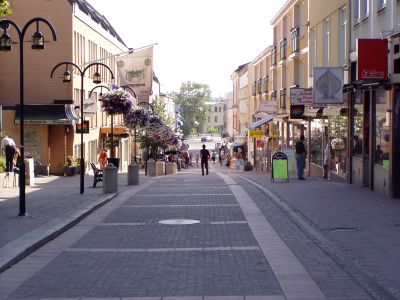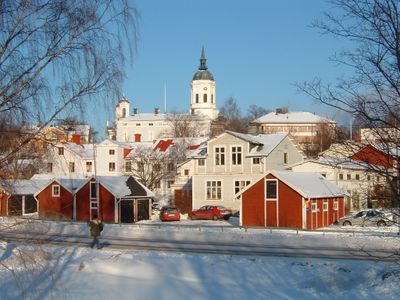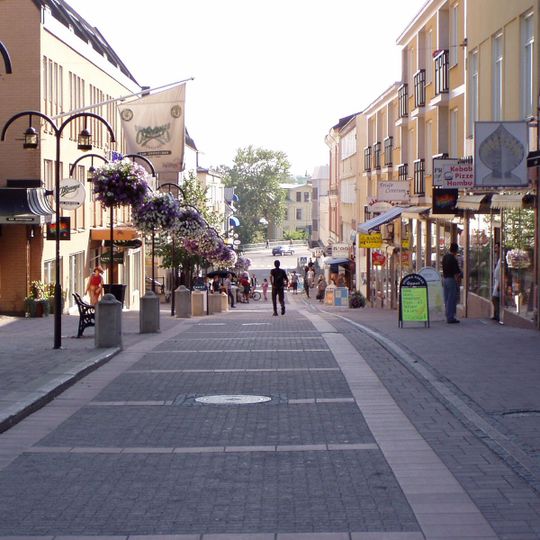
Härnösand, Administrative urban center in Västernorrland County, Sweden.
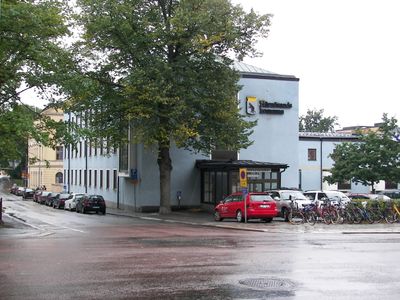
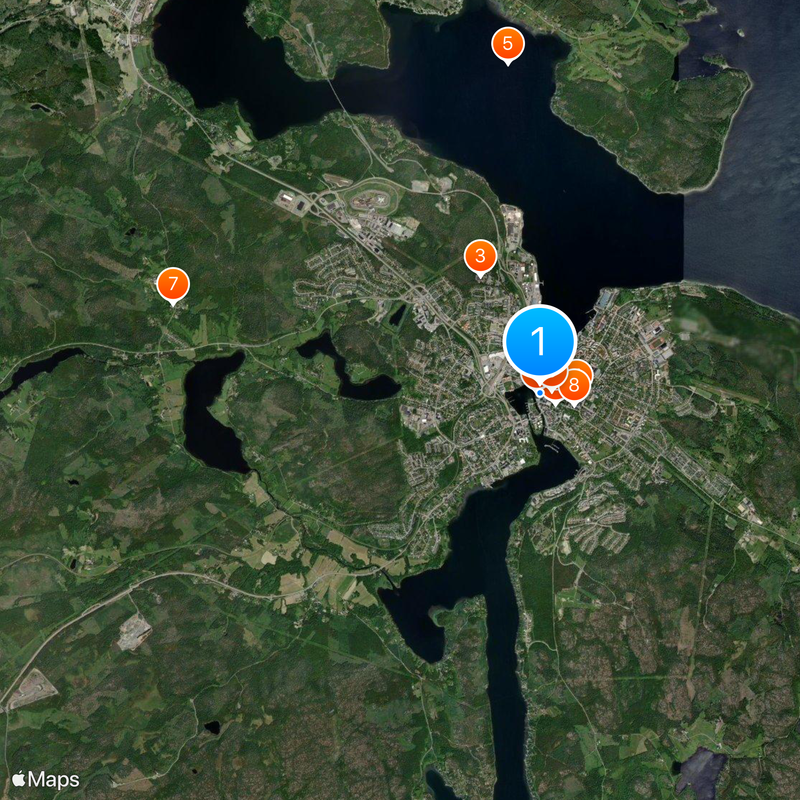
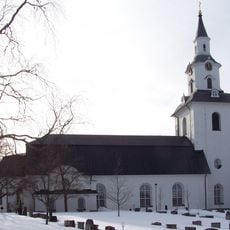
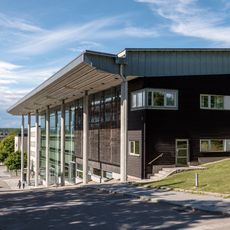
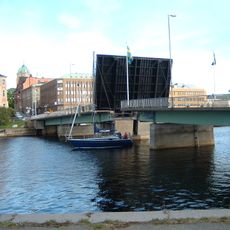
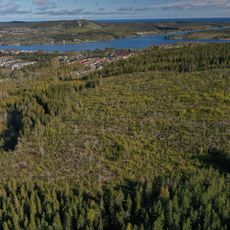
Härnösand sits on an island within the High Coast archipelago and connects to mainland Sweden through bridges. The town lies at about 25 meters (82 feet) above sea level and offers visitors an art hall, a regional museum, and a science center.
The town was founded in 1585 and became an important administrative center for the region. In 1885, it made history by becoming the first Swedish town to install electric street lighting, powered by the Gådeå power station.
The Västernorrland Regional Museum displays authentic houses and settings from the 1800s and 1900s in its outdoor section. These buildings show how people lived and worked in this region during those times.
Museums and cultural venues remain open year-round and offer educational programs for visitors. The island location means infrastructure is well-maintained and access from the mainland is straightforward via bridges.
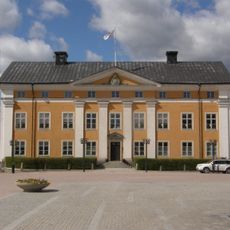
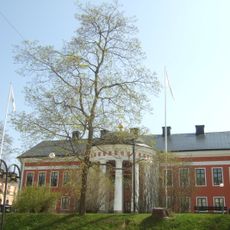
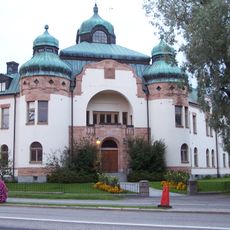
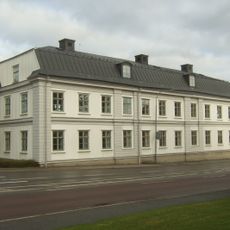
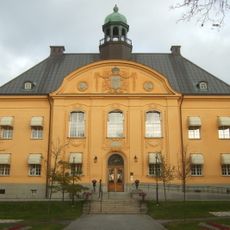
The municipal building, designed by Olof Tempelman in 1791, stands among Sweden's finest examples of neoclassical administrative architecture. The structure remains a striking feature of the townscape today.
The community of curious travelers
AroundUs brings together thousands of curated places, local tips, and hidden gems, enriched daily by 92,279 contributors worldwide.