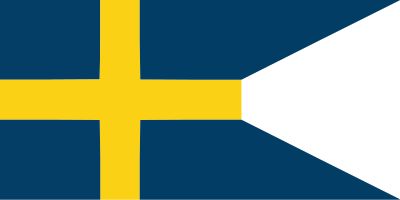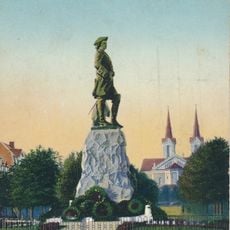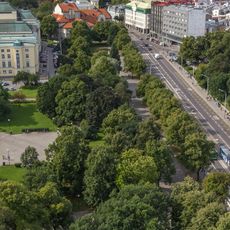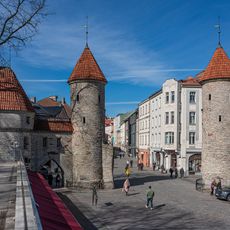
Swedish Estonia, Administrative division of Estonia between 1561 and 1710, Estonia.
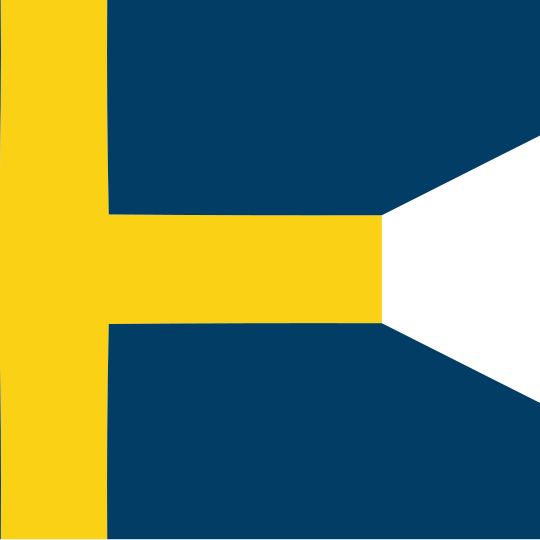
Swedish Estonia was the northern region under Swedish rule from 1561 to 1710, including Harjumaa, Virumaa, and Tallinn. The territory saw new laws and administrative changes that reduced the power of German-speaking landholders.
Swedish control began in 1561 when local leaders asked King Erik XIV for protection during the Livonian War. This period of rule lasted until 1710, when power changed hands to another state.
Swedish rule brought new schools and universities that educated local people in their own language. This shifted how Estonian speakers related to the German-speaking nobility who had long held power.
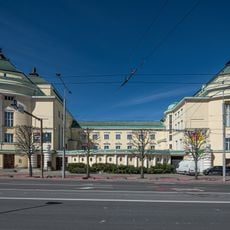
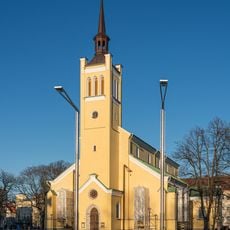
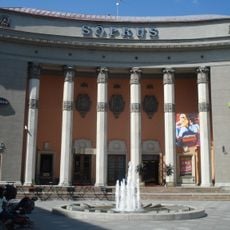
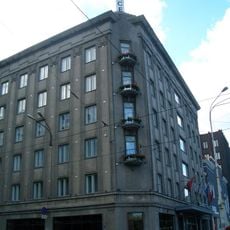
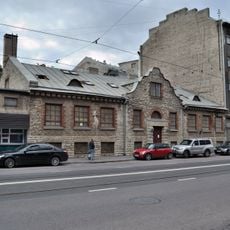
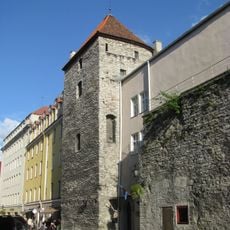
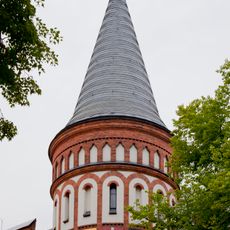
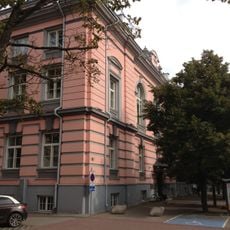
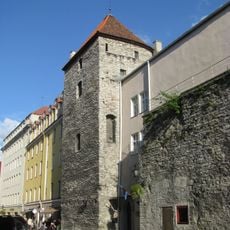
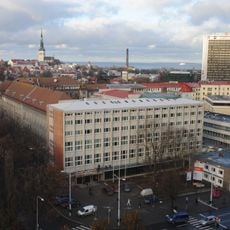
You can see the effects of this period in older buildings and city layouts today, especially around Tallinn and nearby areas. Understanding this historical layer helps when exploring Estonian heritage on the ground.
Swedish-speaking coastal communities had roots dating back to 1294, documented in old records from Haapsalu. This early presence showed that cultural ties to the Baltic region ran deeper than the formal Swedish period that followed.
The community of curious travelers
AroundUs brings together thousands of curated places, local tips, and hidden gems, enriched daily by 91,978 contributors worldwide.