Hargs bro runic inscriptions, Norse runestone group in Skånela socken, Sweden
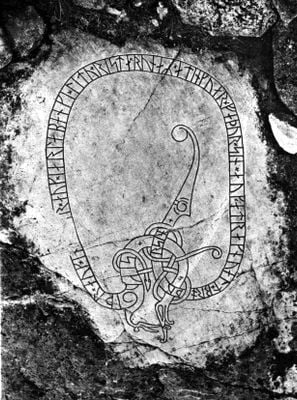
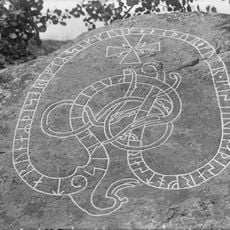
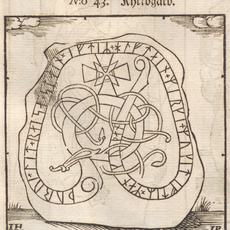
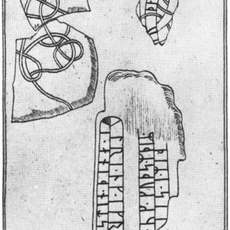
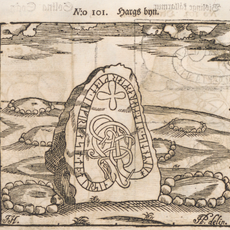
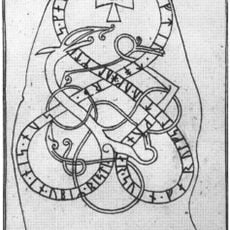
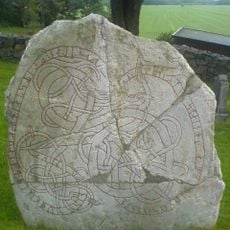
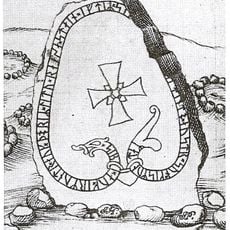
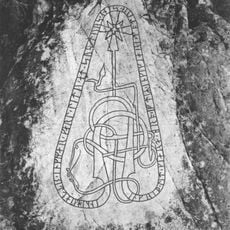
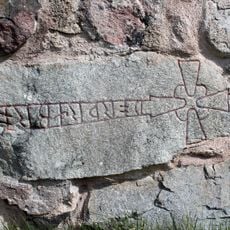
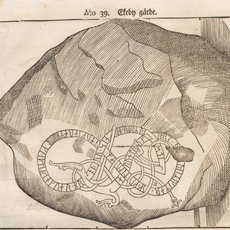
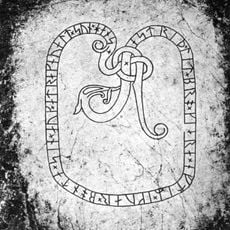
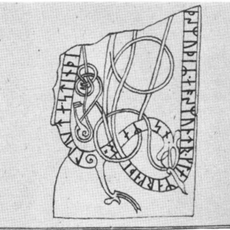
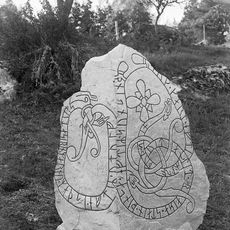
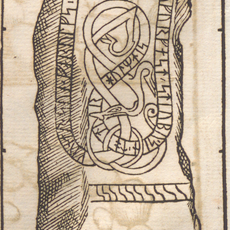
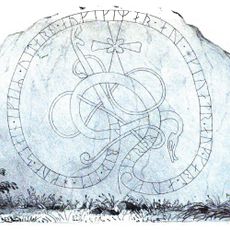
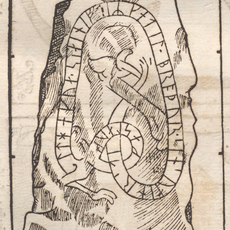
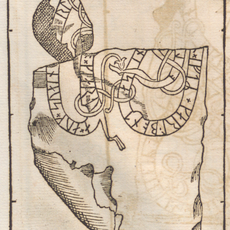
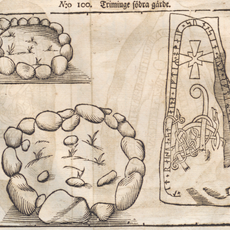
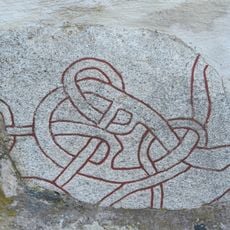
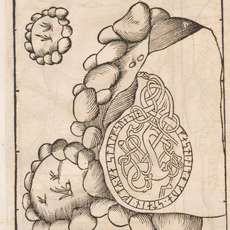
The Hargs bro runic inscriptions are three 11th-century carvings on flat bedrock in Skånela Parish, Uppland. U 309 and U 310 form a twin monument in style Pr4, with runic bands looping around the edge and a tendril ending in a spiral and an interlaced animal knot. U 311, in style Pr5, was carved later.
U 309 and U 310 form a twin monument in style Pr4, dated 1060–1100. U 309 was raised by Jarlabanke Ingvarsson and his brothers Sigviðr and Ingvarr for their father Ingvarr and brother Ragnvaldr; U 310 was ordered by Estrid, Ingvar's wife and not Ragnvald's mother, who had a bridge made. U 311, in style Pr5, dates to the late 11th or early 12th century and was made by Ingrið for her daughter Ingigerðr.
The inscriptions show how people in Viking times honored their deceased by carving names in stone where travelers could see them. These markers connected families to the landscape and served as permanent reminders of those who had passed.
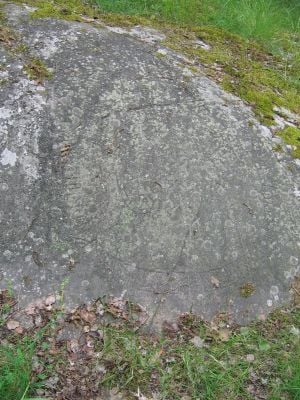
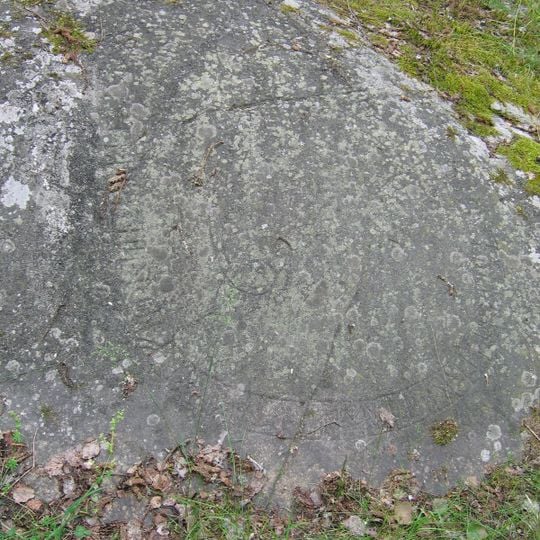
The three inscriptions are carved directly into flat bedrock in Skånela Parish, not on raised stones, so look down rather than up. They lie close to the ground, with soil, leaves and grass at their edges, and the carved lines read best in low, raking light. U 309 and U 310 form a pair; U 311 is separate and later.
U 310 records that Estrid had a bridge built for her husband Ingvar and his son Ragnvald, a task her family repeated across Uppland. The slab's oval runic band encloses a tendril ending in a spiral, with an interlaced animal knot at the base. The carver of U 329 at Snottsta, runemaster Fot, also worked for the Jarlabanke clan, linking Estrid to that workshop.
The community of curious travelers
AroundUs brings together thousands of curated places, local tips, and hidden gems, enriched daily by 94,005 contributors worldwide.