Upplandsmuseet, County museum in Uppsala, Sweden
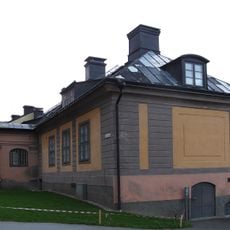
Upplandsmuseet occupies a former mill building standing beside the Fyrisån river and displays objects and exhibitions exploring the region's development. The building contains different exhibition spaces that cover various aspects of local life and heritage.
The museum's collections began in 1909, when Axel Johansson of Upsala Nya Tidning initiated the creation of a cultural history museum and objects were first gathered. After decades without permanent exhibition space, the restored Akademikvarnen mill opened as the museum's home on 13 June 1959.
The museum plays a role in how visitors understand local identity, showing everyday objects and stories of people who lived in the region. Displays reveal how communities functioned and what mattered to inhabitants across different periods.
The museum sits in a central location within the city and is reasonably accessible on foot. Visitors should plan for regular opening hours and check ahead if they need specific access services or assistance.
The collections hold nearly 800,000 objects, of which 600,000 are archaeological finds, plus over 1.5 million photographs dating from the 1860s onward. In 1929 the heritage society bought Henri Osti's collection of about 16,000 glass negatives from his widow Emma.
The community of curious travelers
AroundUs brings together thousands of curated places, local tips, and hidden gems, enriched daily by 93,900 contributors worldwide.