Berga, Manor house in Haninge Municipality, Sweden
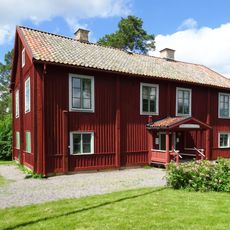
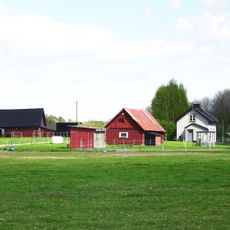
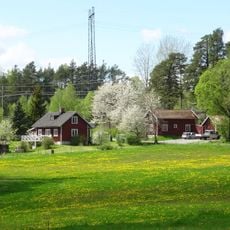
Berga is a manor house built from stone and brick, situated within a larger complex of seven distinct buildings across the Swedish countryside. The structures form a typical rural estate layout with supporting buildings arranged around the main residence.
Berga is first recorded in 1401 as "Dygraberghom", renamed "Berghom" in 1437. In the 17th century it became a säteri under Johan Månsson Ulfsparre, passing through the Girs, Gyldenbring, Törnflycht, Flach and Bredberg families. The state bought the estate in 1944 for 2.6 million kronor to house the Berga naval schools, closed in 1999; since 2005 the First Amphibious Regiment has been based there.
The name Berga derives from the old forms "Dygraberghom" (1401) and "Berghom" (1437). Helge Axelsson Johnson, who built the castle in 1913–15, was an art collector; works by Anders Zorn, Bruno Liljefors and Carl Eldh hung here. His will of 1941 turned most of his estate into the Helge Ax:son Johnsons stiftelse, which still awards annual grants for cultural purposes.
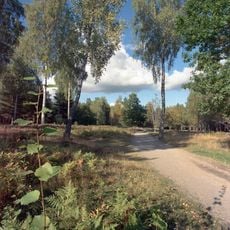
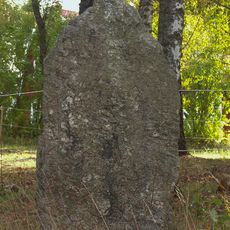
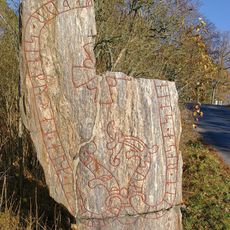
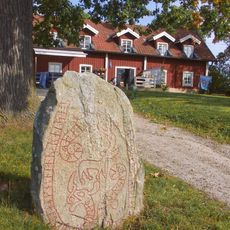
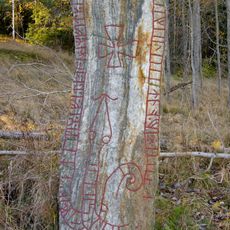
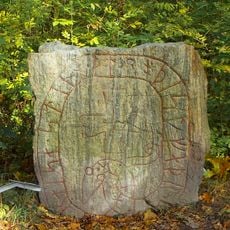
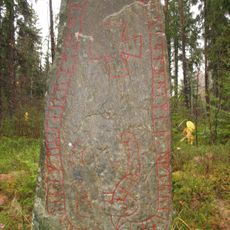
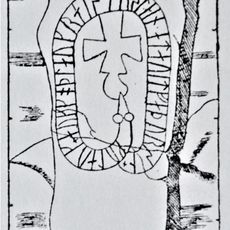
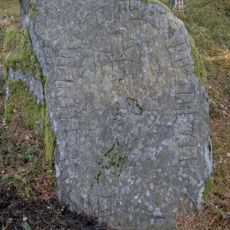
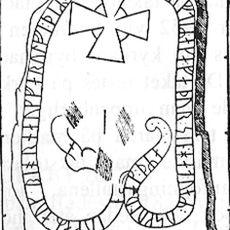
Berga lies in Västerhaninge socken on Södertörn, near Horsfjärden and the road toward Näringsberg and Fors. The castle and estate grounds are a military area: since 2005 the First Amphibious Regiment (Amf 1) has been based here, and the castle itself is used for staff and command purposes, so the buildings are generally seen from outside rather than visited. The nearby runestone Sö 237 stands by the farm entrance at Fors.
Helge Axelsson Johnson kept wisents, deer, badgers and foxes in a hunting park at Berga; the wisents were later moved to his private facility in Avesta. King Gustaf V and his party had their own wing at Berga during the autumn moose hunts, and Johnson was named hovjägmästare, after which the house was upgraded to a castle.
The community of curious travelers
AroundUs brings together thousands of curated places, local tips, and hidden gems, enriched daily by 94,048 contributors worldwide.