Drottningholmsmalmen, Historical residential district in Ekerö Municipality, Sweden.
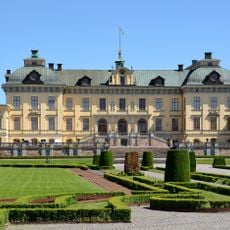
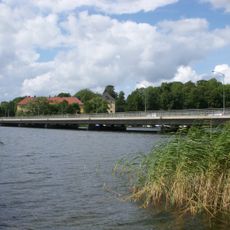
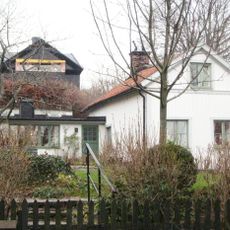
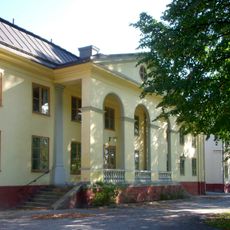
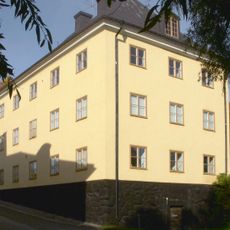
Drottningholmsmalmen is a residential district in Ekerö Municipality with numerous buildings from the 18th and 19th centuries situated near the northern shore of Lake Mälaren. The houses follow an original grid pattern with streets like Långa raden and Dragonvägen still visible today.
Gustav III granted the area town privileges in 1782 to attract tradespeople, and a grid plan drawn up in 1783 was never completed. Only Långa raden, Dragonvägen, Malmbacken and Kvarnbacken still follow the grid. The settlement grew from housing for palace craftsmen and staff rather than becoming a trading town.
The name Malmen refers to the sandy ridge on which the district stands. Until the 20th century the area had cafés, a village shop, a school and restaurants serving the palace and its visitors. The 1692 timbered guesthouse at Loviselund survives as a wing of the Loviselund property.
The area is easy to explore on foot and offers plenty of space to wander through the streets and admire the preserved buildings. The flat terrain makes visiting comfortable for people of different mobility levels.
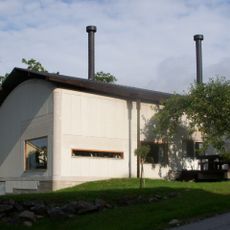
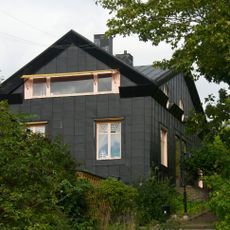
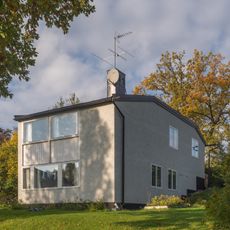
Villa Klockberga, an older wooden house reclad in black metal sheets by Peter Celsing between 1966 and 1969, is often counted as Sweden's first postmodern building. Nearby, Villa Erskine from 1962–1963 groups office, home and garage around an atrium courtyard in white-painted lightweight concrete with black sheet roofs.
The community of curious travelers
AroundUs brings together thousands of curated places, local tips, and hidden gems, enriched daily by 94,190 contributors worldwide.