Långholmens spinnhus, Former women's prison and spinning house on Långholmen island, Sweden
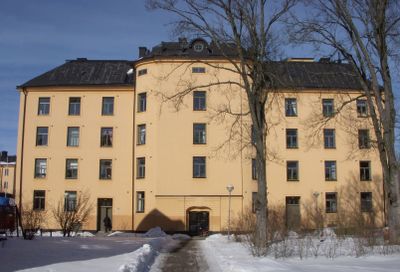
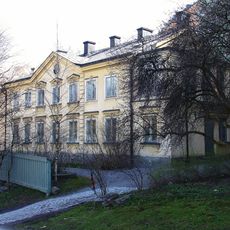
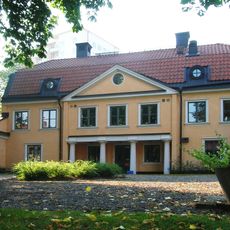
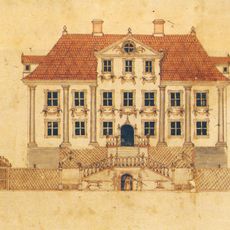
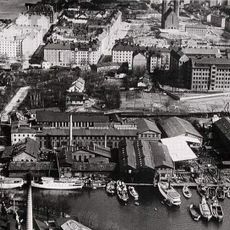
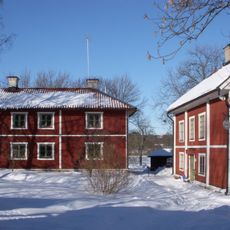
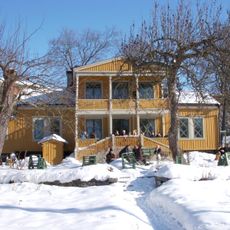
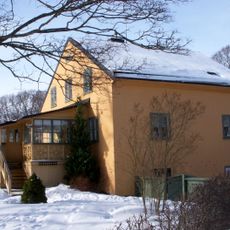
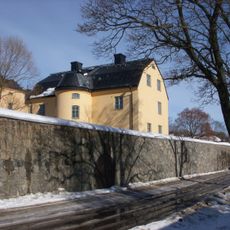
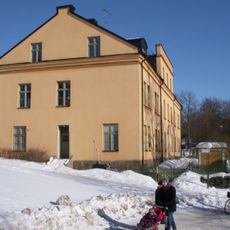
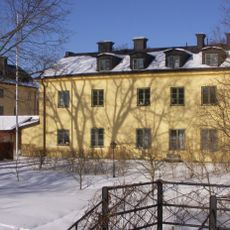
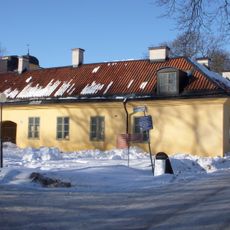
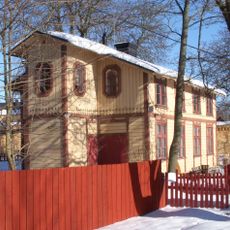
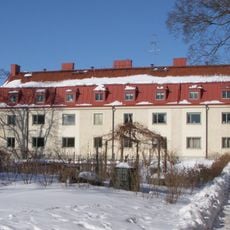
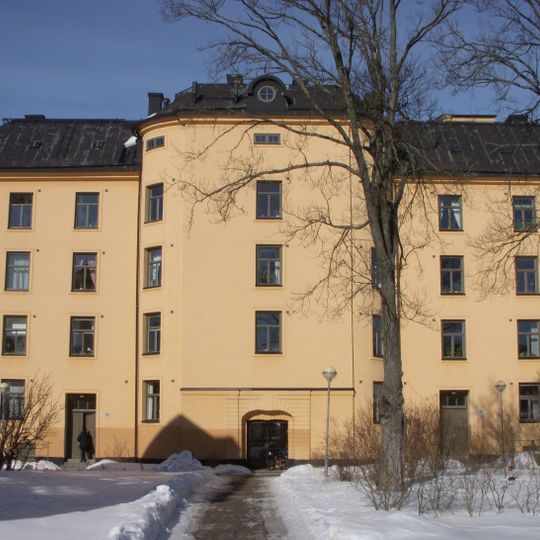
Långholmens spinnhus is a former women's prison and spinning house on Långholmen island, north of Södermalm in Stockholm. The original 1649 malmgård, Alstavik, was bought by the state in 1724 and later expanded on all sides in 1746, so the old manor became an enclosed part of a larger complex. The site included a hospital, church, administration building and petty officer accommodations.
The state bought the Alstavik estate on Långholmen in 1724 for 37,000 daler and opened a rasp- och spinnhus there, receiving 110 women and 10 children that September. A 1746 expansion gave the complex its present form, and by 1772 it held 250 women. In 1825 the women were moved to Norrmalm and the site became Långholmen Prison.
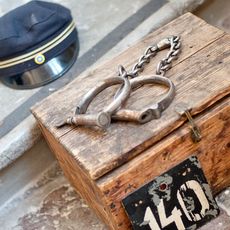
The facility housed women from difficult social circumstances who learned practical trades like spinning and sewing as part of daily work. These activities shaped life inside and reflected Swedish beliefs about labor as a path to personal improvement.
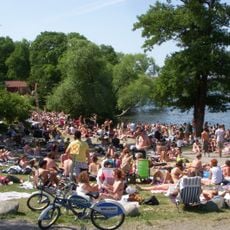
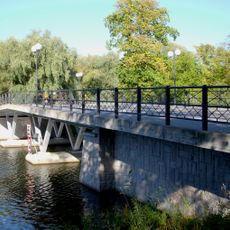
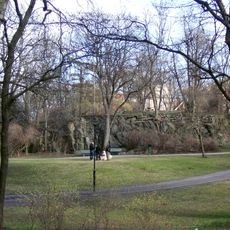
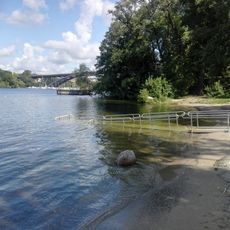
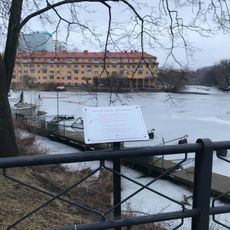
The former prison lies on Långholmen, the island in Lake Mälaren between Södermalm and Kungsholmen, reached on foot or by bus from the city centre. The 1746 complex, with Alstavik hidden inside it, stands near the island's paths and bathing spots. The old buildings are now used as a hotel and hostel, so the courtyards and exteriors can be seen while walking the island.
Hanna Hansdotter, from Scania, was the last person in Sweden sentenced to death for witchcraft, but her sentence was commuted to life imprisonment with hard labour, and she arrived at Långholmen in September 1756. She was not executed. Another inmate, Anna Birgitta Törnberg, was imprisoned here in 1813 at the age of 13.
The community of curious travelers
AroundUs brings together thousands of curated places, local tips, and hidden gems, enriched daily by 93,520 contributors worldwide.