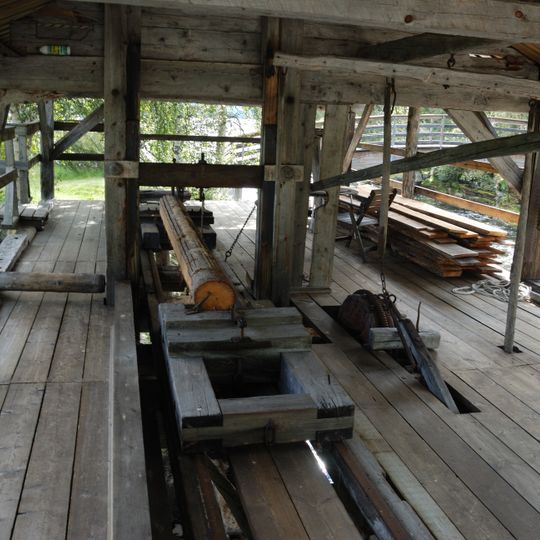
Ljusnedals bruk, working life museum in Härjedalen Municipality, Sweden
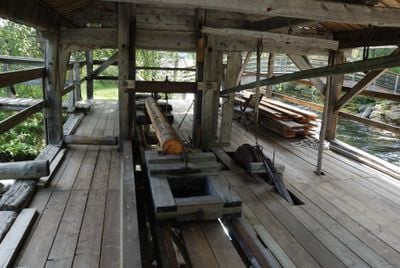
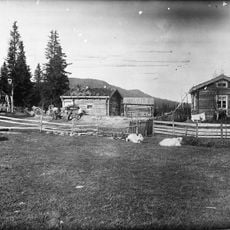
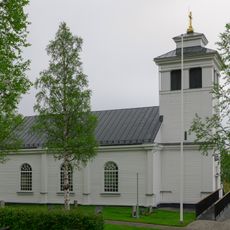
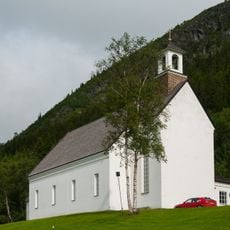
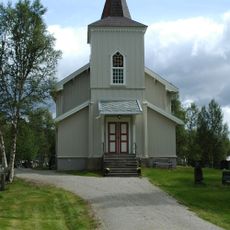
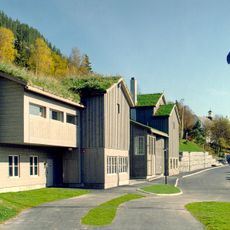
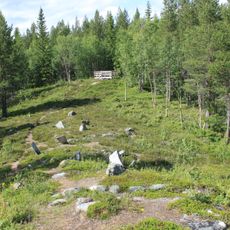
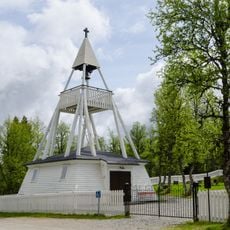
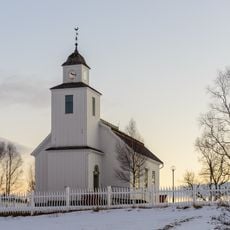
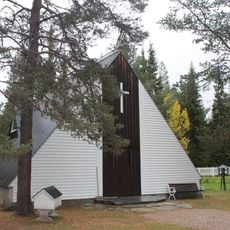
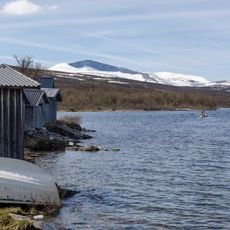
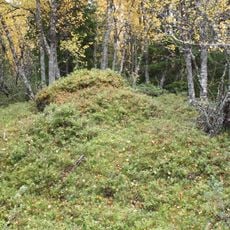
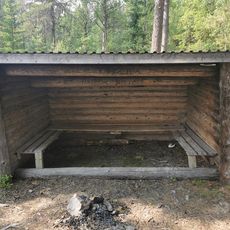
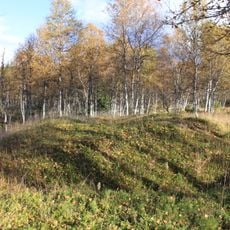
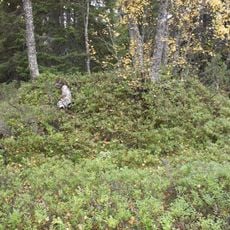
Ljusnedals bruk is a working life museum in Härjedalen showing the history of a former mining and farming settlement. The site contains old wooden and stone buildings, a simple church, water-powered equipment, and a pond that once directed water to power the saw.
The settlement began in 1686 after copper ore was discovered near Ramundberget and developed through mining and later iron production. In 1858, Norwegian William Farup took over the site and shifted focus to farming, building what became Sweden's largest estate before production ended in 1877.
The name Ljusnedals bruk refers to the river Ljusnan and the valley where the site is located. The buildings and church show how workers and their families lived and shaped daily routines in this remote community over generations.
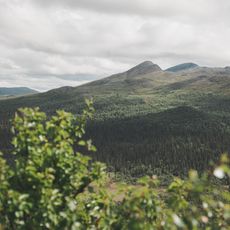
The site is best explored on foot using marked trails with information signs explaining the history and buildings. Allow several hours to walk through the various structures and church, and to experience the quiet surroundings at your own pace.
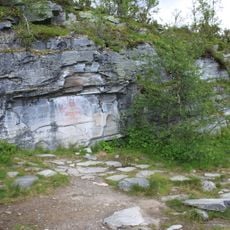
A 32-ton memorial stone from 1989 is made from local Tännäs Ögongnejs stone quarried from the foot of Anåfjället mountain. This unusual landmark was placed during a royal visit and marks the site's historical significance.
The community of curious travelers
AroundUs brings together thousands of curated places, local tips, and hidden gems, enriched daily by 91,822 contributors worldwide.