Rösaringsåsen, Nature reserve and monument in Låssa socken, Sweden
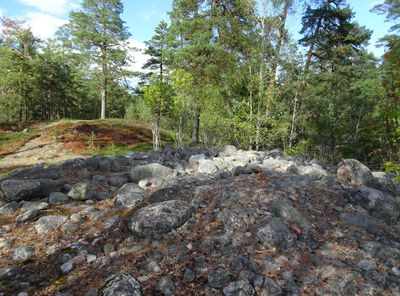
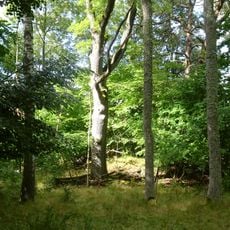
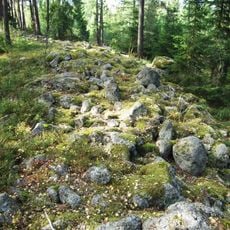
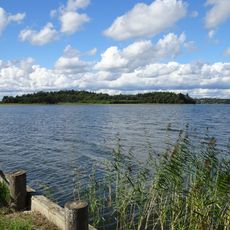
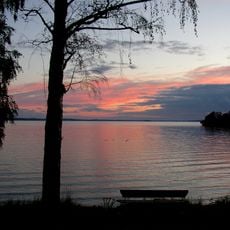
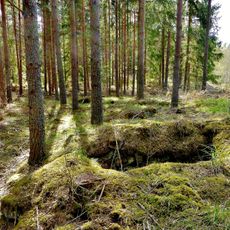
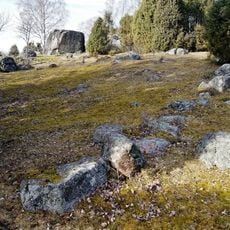
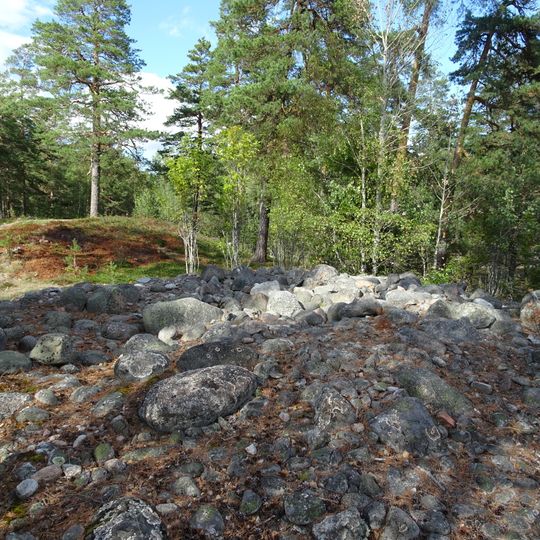
Rösaringsåsen is a gravel ridge in Låssa parish, Upplands-Bro, rising 61 metres above sea level and dropping steeply to Lake Mälaren. At its top lie a 540-metre processional path, a 17-metre stone labyrinth with 16 passages, and a burial field of two mounds, two cairns and three flat graves. The surrounding nature reserve, established in 2015, covers 97 hectares.
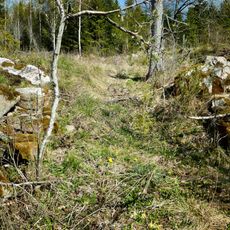
The ridge rose from the sea about 6,000 years ago. The processional path, 540 metres long and dated to around 800 AD, was discovered in the late 1970s by a family from Bro. It is aligned with the summer solstice and leads to a burial ground where the largest mound was built over the path.
This place held deep meaning for ancient communities as a burial and ritual site, evident from the numerous mounds and stone arrangements scattered across the ridge. These monuments remain central to how people experience the landscape today.
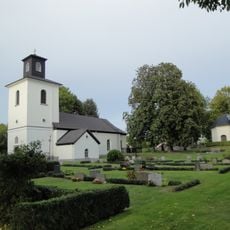
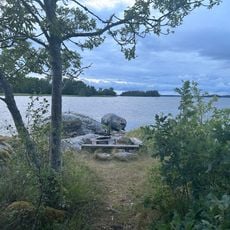
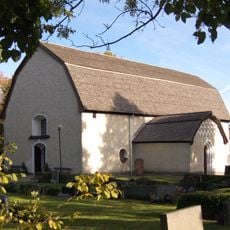
The processional path runs 540 metres almost due south from its northern start to the burial field, and the ridge top lies just under a kilometre west of Låssa Church. The path is just over three metres wide, with kerb stones still visible in places and shallow pits along its eastern side. The slope drops steeply to the south toward Lake Mälaren.
The stone labyrinth, 17 metres across with 16 winding paths, gave the whole site its name. It was already recorded in 1670, when a windmill stood beside it and the place was called Röra Backe; by the 1700s it was known as Röraring. The labyrinth was restored in 1991.
The community of curious travelers
AroundUs brings together thousands of curated places, local tips, and hidden gems, enriched daily by 94,341 contributors worldwide.