Segersjö Manor, Manor house in Örebro Municipality, Sweden
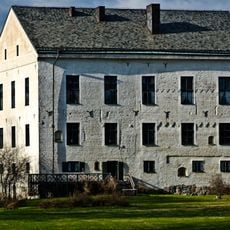
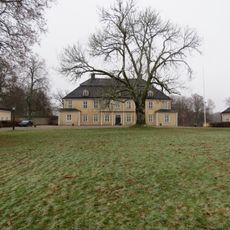
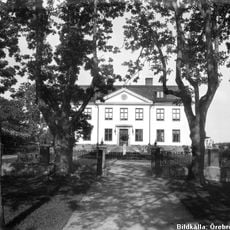
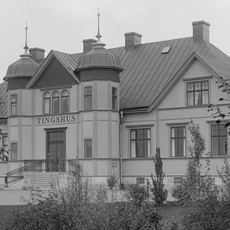
Segersjö Manor is a manor house in Orebro Municipality featuring architectural details typical of late 18th-century Swedish residential design. The building sits on landscaped grounds with formal gardens and surrounding fields.
Segersjö was originally a royal estate (kungsgård), written Sigharsö, and was donated in 1278 to the Bishop of Strängnäs. In 1631 it passed to the merchant Erik Larsson von der Linde, and Queen Christina gave it to field marshal Lennart Torstenson against a redemption sum of 61,520 daler silvermynt. Karl X Gustav blocked a crown reclaim with the words that the Torstensons would keep it even if it lay on his own courtyard. It was withdrawn in 1681 and returned by Karl XII to Count Carl Ulrik Torstenson; in 1768 Josias Carl Cederhielm bought it and set up a fideicommiss for his daughter's son.
The manor's architectural style and interior furnishings reflect how Swedish nobility lived during its time. The spaces show the routines and gatherings that defined daily life for families of this rank.
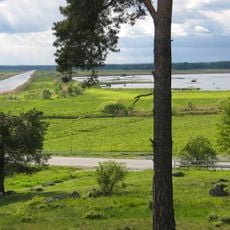
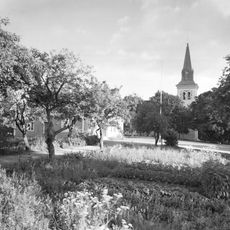
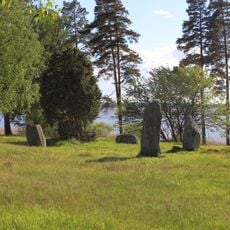
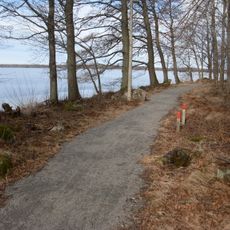
Segersjö lies on a peninsula at the mouth of the Kvismare canal where it meets Lake Hjälmaren, in Lännäs parish, Örebro Municipality. The estate is private and belongs to the ninth generation of the Montgomery-Cederhielm family, so the buildings and grounds are not open to the public. The annual Segersjödagarna, with eventing competitions and other activities, is the occasion when the grounds draw visitors.
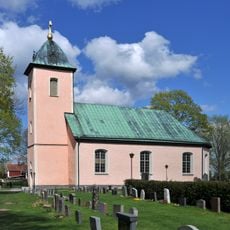
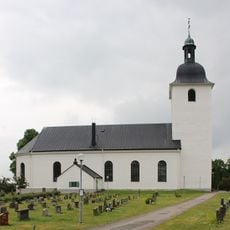
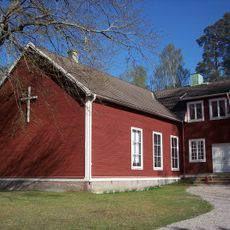
The estate has belonged to the Montgomery-Cederhielm family for nine generations, since Josias Carl Cederhielm bought it in 1768 and set up a fideicommissum for his daughter's son. A private estate church, completed in 2016, stands on the grounds and is independent of the Church of Sweden.
The community of curious travelers
AroundUs brings together thousands of curated places, local tips, and hidden gems, enriched daily by 94,421 contributors worldwide.