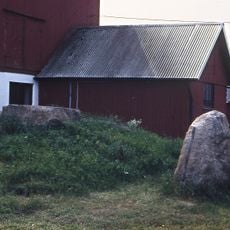
Träleborg, hillfort in Falköping Municipality, Västra Götaland County, Sweden
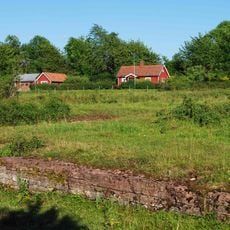
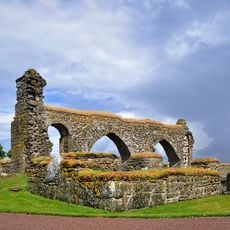
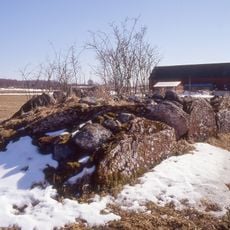
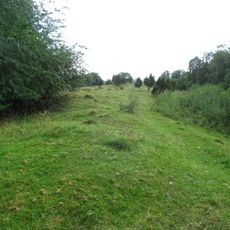
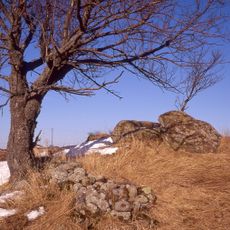
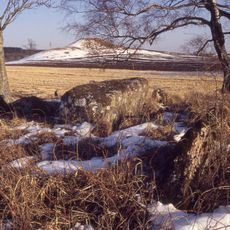
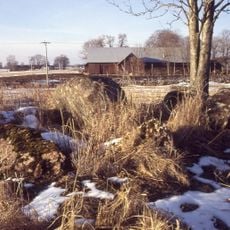
Träleborg is a circular hillfort on a hill in Falköping, characterized by ancient earthen walls and ditches that define its outer boundary. The site features a central area where people once lived, worked, and took shelter for protection.
The hillfort was surveyed by Einar Magnusson in 1933 and excavated in 1985 and 1986 by Uppsala University students with Skaraborgs läns museum. Charred soil in the walls yielded a radiocarbon date of about 2800 BC, in the Neolithic, though some scholars then argued the burnt earth came from earlier slash-and-burn farming. Gold hoards from the Migration Period found nearby, such as the Ålleberg collar, had suggested an Iron Age date.
The name Träleborg refers to a palisade fortress, reflecting how this place was built and used by its inhabitants. Visitors can observe how the circular layout organized daily life and defense for the people who gathered here.
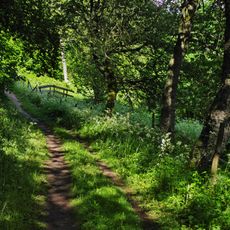
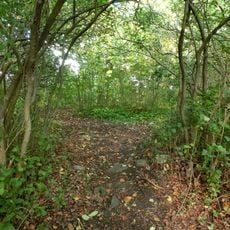
The site is easy to reach on foot and walking around the hillfort is straightforward along open paths that lead to various viewpoints. Informational signs are posted throughout to explain the site's structure and historical use.
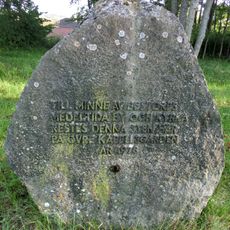
A local legend claims Queen Margaret imprisoned Albert of Mecklenburg here after the Battle of Åsle, but this is considered a tall tale: Albert was held at Bohus Fortress. The fort's name comes from Latin trichila, meaning trellis or palisade.
The community of curious travelers
AroundUs brings together thousands of curated places, local tips, and hidden gems, enriched daily by 94,704 contributors worldwide.