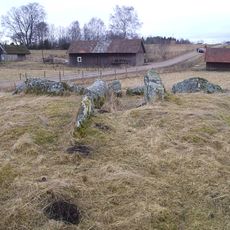
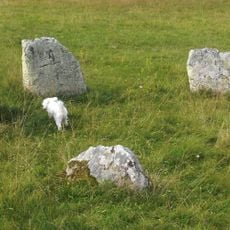
Gudhem Abbey, Medieval monastery ruins in Falköping Municipality, Sweden
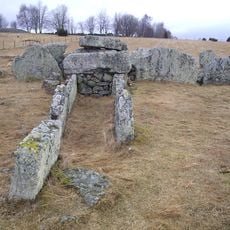
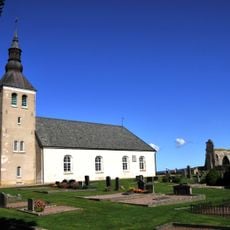
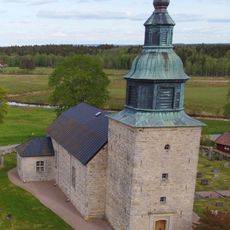
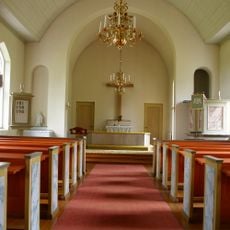
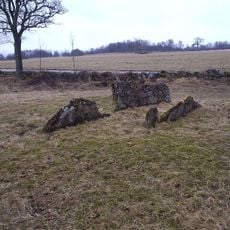
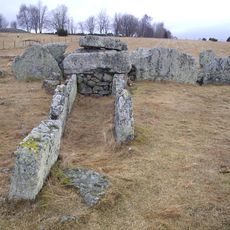
Gudhem Abbey is a monastery ruin in Falköping Municipality, in southern Sweden, made up of stone walls, foundations, and floor outlines spread across an open grassy area. A church still standing next to the ruins remains in active use today, giving the site a mix of old and new.
The abbey was founded in the 12th century as a house for women following Benedictine rules, and later shifted to Cistercian practices. After the Reformation in the 16th century, it closed and gradually fell into the ruins that remain today.
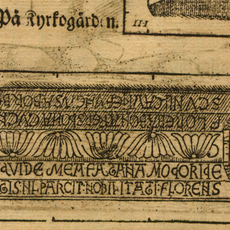
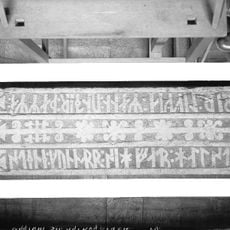
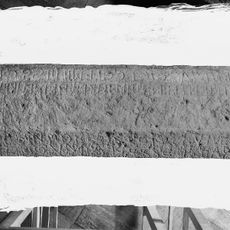
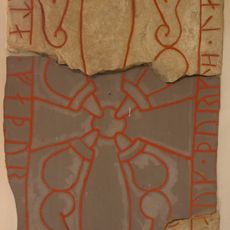
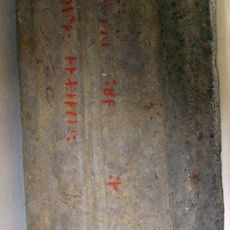
The name Gudhem means 'home of the gods', from Old Norse Goðheimr, where the Jómsvíkinga saga places a temple with a hundred images of Thor. The abbey later became a Cistercian nunnery. Visitors today see the ruined walls and the copy of Queen Catherine's carved grave slab, set in 1964 where the original once lay.
The site is open year-round and easy to walk through at your own pace, without any need for a guide. Signs placed around the area explain what each part of the ruins was used for, which helps to make sense of the layout.
According to the Jomsvikinga Saga, Gudhem was called Goðheimr and held a temple with a hundred images of the thunder god Thor. The 1740 monastery description by bishop Andreas Olavi Rhyzelius repeats the claim of a pagan temple filled with a hundred gods. The name Gudhem means 'home of the gods'.
The community of curious travelers
AroundUs brings together thousands of curated places, local tips, and hidden gems, enriched daily by 94,078 contributors worldwide.