Museum of Östergötland, County museum in Linköping, Sweden
The Museum of Östergötland is a regional museum in Linköping displaying collections on art history, archaeology, and cultural heritage from different periods. The exhibitions spread across multiple floors with galleries dedicated to regional development and traditional crafts.
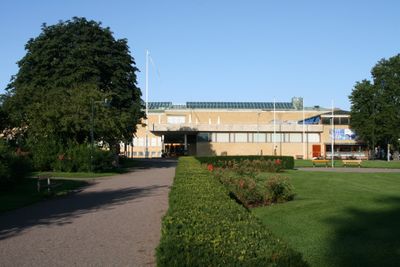
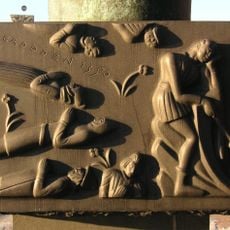
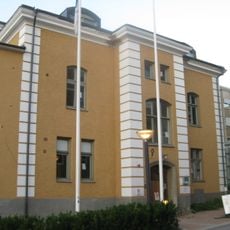
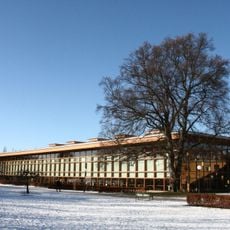
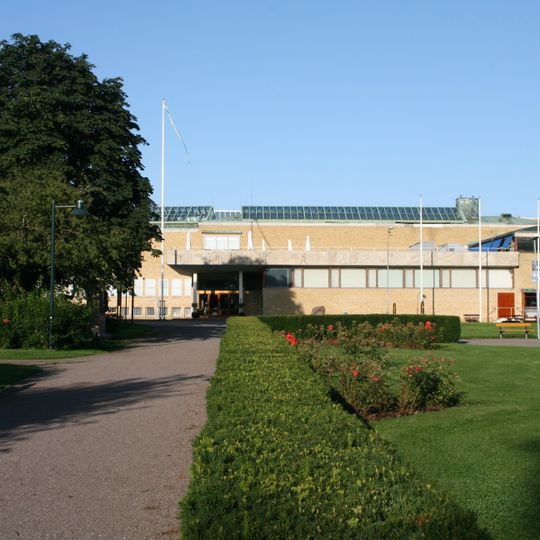
Anton Ridderstad's donations of artworks and money founded the museum, which had already existed for 75 years when its current home opened in 1939. Architects Nils Ahrbom and Helge Zimdal designed the yellow brick functionalist building on Vasavägen, and sculptor Ivar Johnsson made the facade frieze above the entrance on the theme of work and life affirmation. It was declared a listed building in 1985.
The main gallery tells the story of how people in Östergötland lived and developed over thousands of years, shaping local identity today. You can see this through everyday objects and discoveries that show how communities adapted and changed.
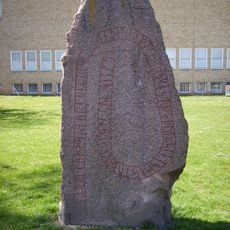
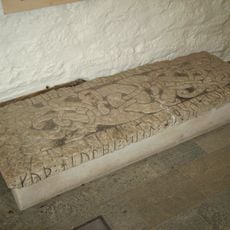
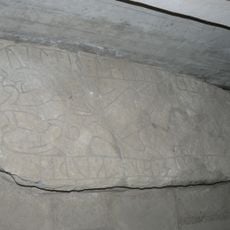
The museum stands at Vasavägen in central Linköping, with the entrance marked by Ivar Johnsson's facade frieze above the door. Outside, look for the runestone Fv1950;341, found near Nykvarn in 1950, and Alfred Nyström's marble group Hagar and Ismael in the Desert from 1884. The building has been a listed building since 1985.
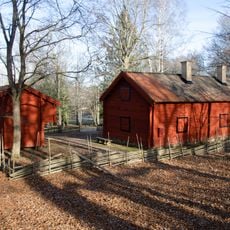
The institution oversees several heritage sites beyond the main building, including Löfstad Castle near Norrköping and the Sancta Birgitta Monastery Museum in Vadstena. Visitors can extend their exploration by visiting these connected locations across the region.
The community of curious travelers
AroundUs brings together thousands of curated places, local tips, and hidden gems, enriched daily by 93,625 contributors worldwide.