Goričko Nature Park, Nature park in northeastern Slovenia
Goričko Nature Park covers 46,200 hectares, making it Slovenia's second-largest nature park. The land rises gently northward into wooded ridges, with many marshes and wet meadows despite annual rainfall of only about 800 litres per square metre. The park has no large urban centre; small villages are scattered across the hills.
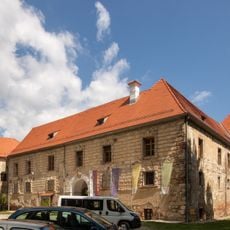
The park was established on 9 October 2003 and became part of the trilateral Goričko–Őrség–Raab park, joining the Raab Nature Park (1996) and Őrség National Park (2002). Its hills were shaped by the Pannonian Sea, and the joint park's headquarters is planned at Grad Castle, first mentioned in 1208.
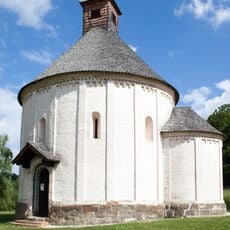
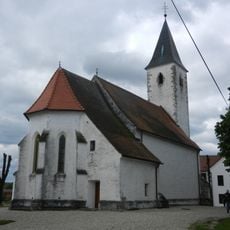
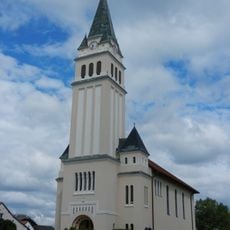
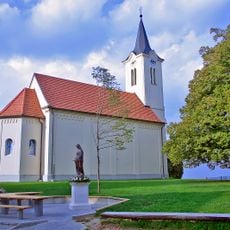
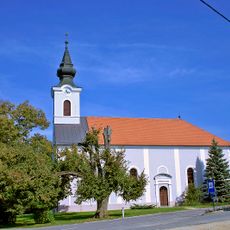
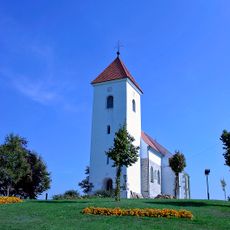
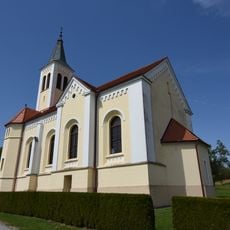
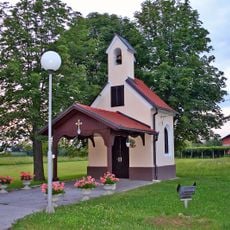
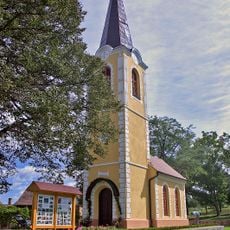
The park's villages keep features named in the sources: the Kregar windows in the church of sv. Martin in Kobilje, the pilgrimage chapel of sv. Vid above Bukovniško jezero, and the monument at Ženavlje shaped like a football, marking the balloon landing of 18 August 1934. In Krplivnik a house that once held the area's largest distillery now displays a permanent historical-ethnographic collection.
The park's seat is Grad Castle, first mentioned in 1208, where the trilateral park administration is based and ethnographic collections are on display. The terrain rises toward the north, so routes from the Ledava valley climb gradually. The Korovska gora forest holds the Fuks graba educational trail, and a path by Lake Bukovnik leads to the chapel of St Vid.
The park is home to Slovenia's only native red deer population, which surprisingly survived historical efforts to eliminate it completely. The extensive network of streams and waters also shelters protected otters that live throughout the area.
The community of curious travelers
AroundUs brings together thousands of curated places, local tips, and hidden gems, enriched daily by 94,625 contributors worldwide.