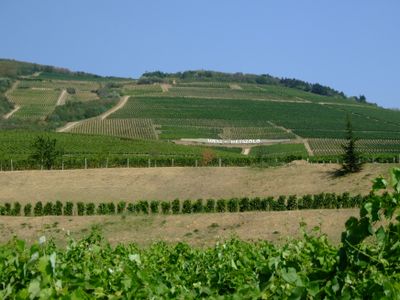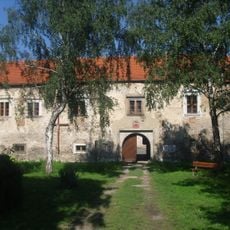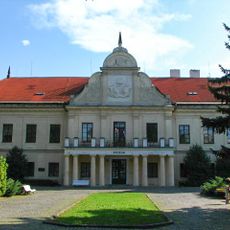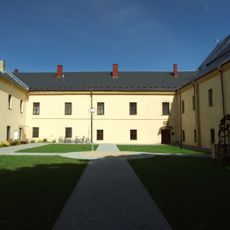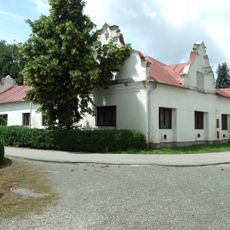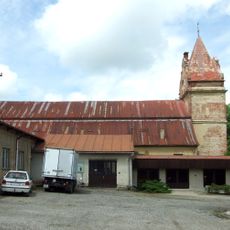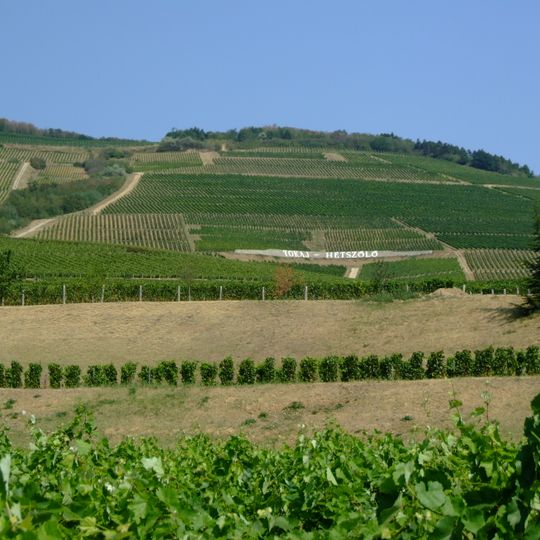
Tokaj wine region, Wine-producing region in eastern Slovakia, Košice Region.
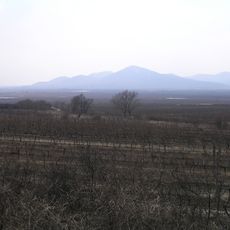
The Tokaj wine region in southeastern Slovakia covers approximately 908 hectares of sloped vineyards on volcanic soils, benefiting from a continental climate that supports the cultivation of indigenous grape varieties such as Furmint, Lipovina, and Yellow Muscat, which thrive on south-facing slopes along the Bodrog and Tisza river valleys.
Documented winemaking in the Tokaj region extends back to Roman times, and the area gained prominence in the 17th century when European courts embraced its sweet wines, famously called the wine of kings, which survived Tatar invasions and Turkish rule before reaching its golden age in the 18th century with exports to Poland, Russia, and France.
Traditional production in the region relies on grapes affected by noble rot, a fungal process that concentrates sugars and creates complex sweetness balanced by natural acidity, with wines graded by putňa levels, each containing 23 kilograms (about 50 pounds) of dried grapes, indicating intensity and richness from three putňas to six for the most concentrated varieties.
Visitors can explore the Tokaj Wine Route through villages such as Čerhov, Veľká Tŕňa, and Viničky, where family-run wineries offer guided tours and tastings in underground cellars, with September being the ideal time to visit during the harvest season when local festivals and open cellar days provide direct access to winemakers and their production methods.
The region's caves and cellars, carved into solid rock, maintain a constant temperature of around 12 degrees Celsius (54 degrees Fahrenheit) and humidity near 95 percent, creating optimal aging conditions for sweet wines while developing thick layers of noble rot on cellar walls that resemble natural labyrinths beneath the vineyards.
The community of curious travelers
AroundUs brings together thousands of curated places, local tips, and hidden gems, enriched daily by 92,406 contributors worldwide.