Palmyra, Archaeological site in Tadmur, Syria
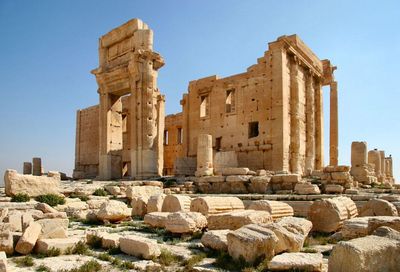
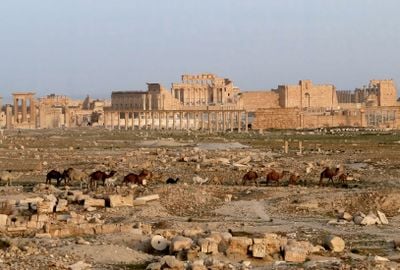
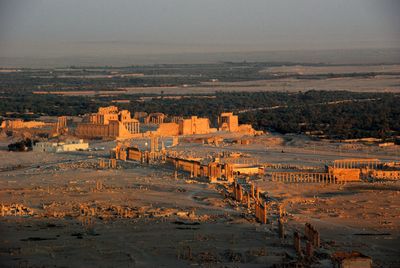
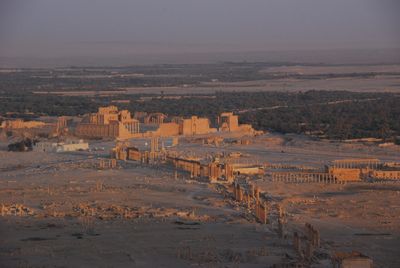
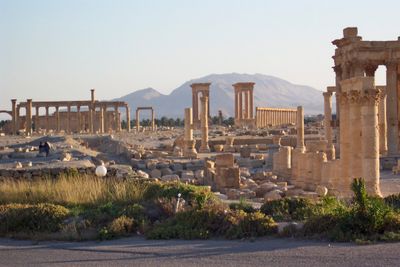
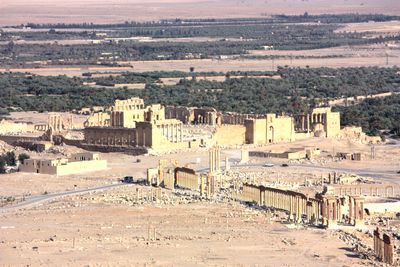
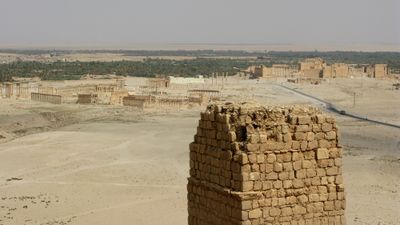
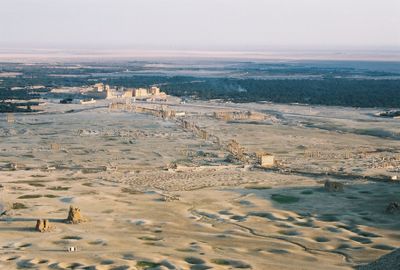
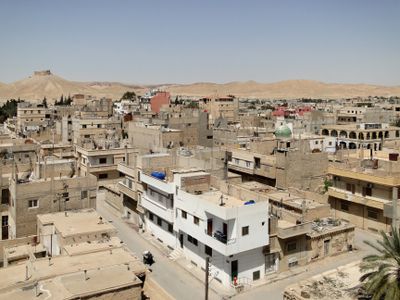
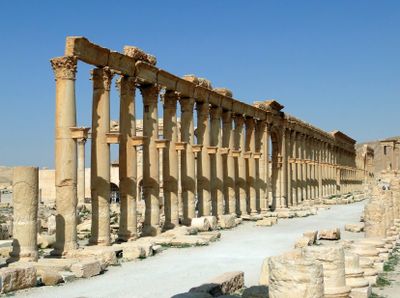
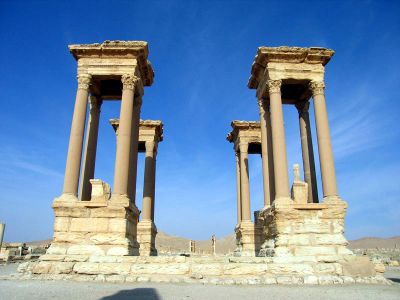
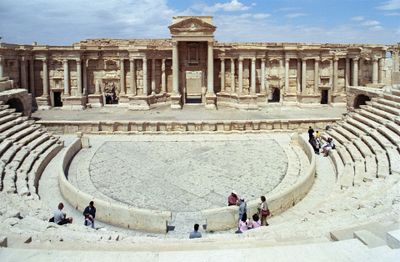
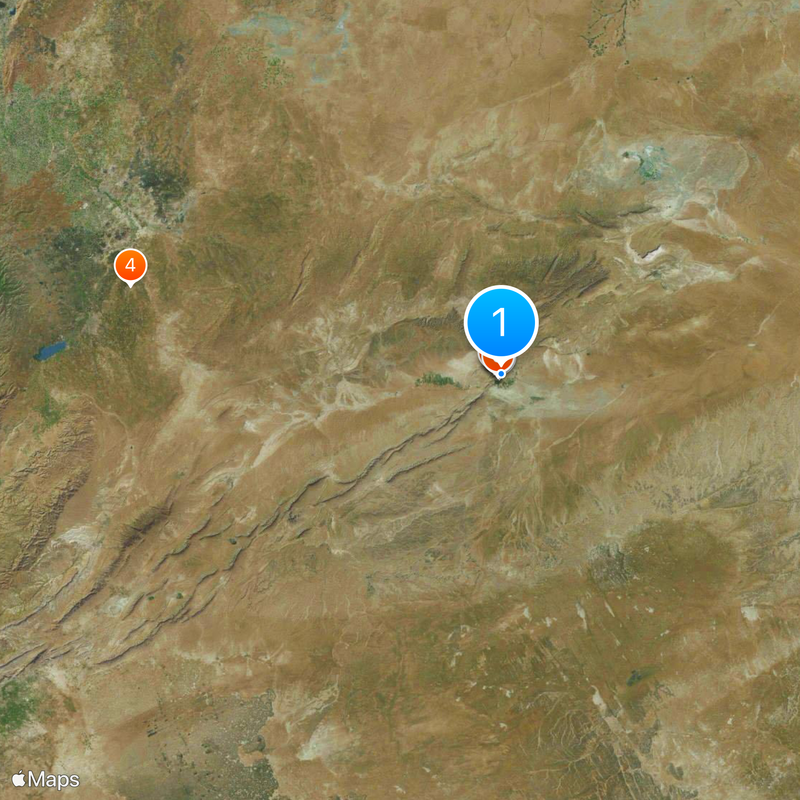
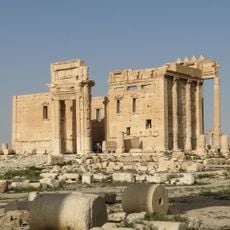
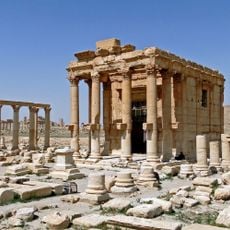
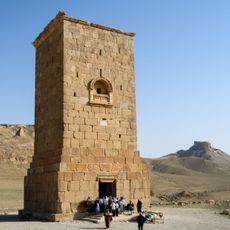
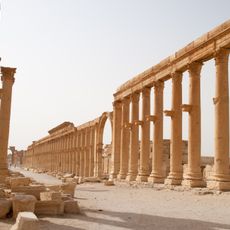
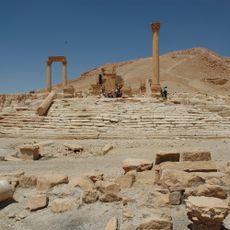
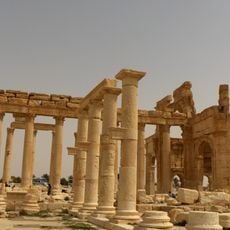
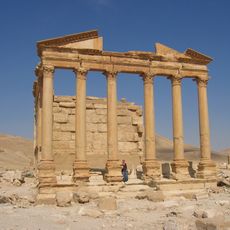
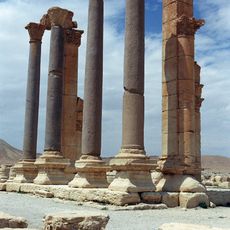
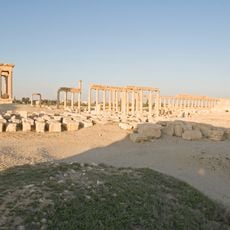
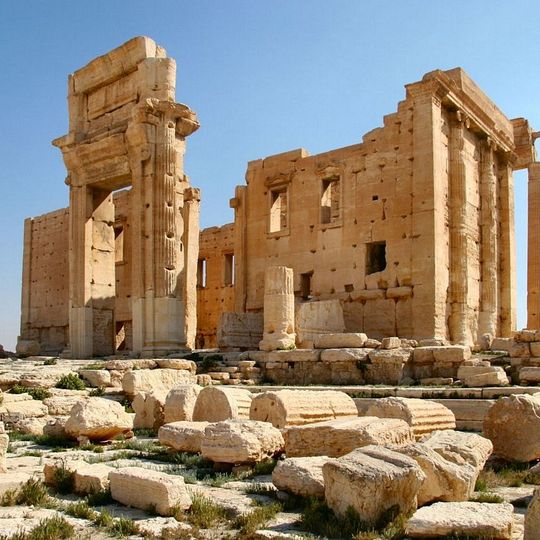
Palmyra is an ancient desert site near Tadmur in central Syria, where colonnaded avenues, tombs, and the Temple of Bel lie scattered across several square kilometers. Monumental arches and rows of pale stone columns mark the former main axes of the city, surrounded by flat, arid terrain.
The settlement grew from the first century CE as an oasis town on the edge of Roman territories, where caravans rested between the Euphrates and the Mediterranean. In the third century, Zenobia led a revolt against Rome, until Emperor Aurelian besieged and captured the city in 272 CE.
Limestone columns and arches bear inscriptions in Greek, Aramaic, and Latin, visible traces of trade routes linking the Mediterranean with Mesopotamia. Tomb monuments outside the city walls display reliefs with garments and jewelry blending Persian, Roman, and local styles of dress.
The site stretches over several kilometers without shade, so visiting early in the morning or late in the afternoon helps avoid heat and direct sunlight. Sturdy footwear is necessary because many paths are uneven and run between stone blocks.
Some lintels and ceiling beams in the Temple of Bel still show traces of iron clamps the Romans used to join massive stone blocks without mortar. The layout of the columns follows a grid that aligns sight lines toward distant mountains and springs in the oasis.
The community of curious travelers
AroundUs brings together thousands of curated places, local tips, and hidden gems, enriched daily by 91,505 contributors worldwide.