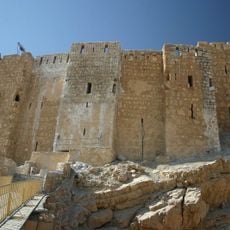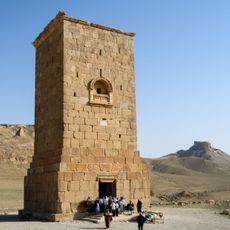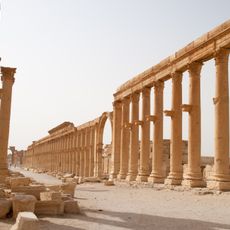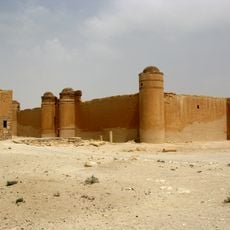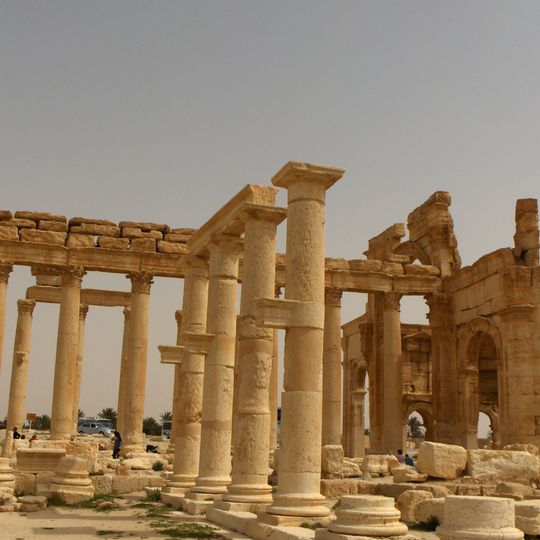
Temple of Nabu, Ancient Roman temple in Tadmur, Syria
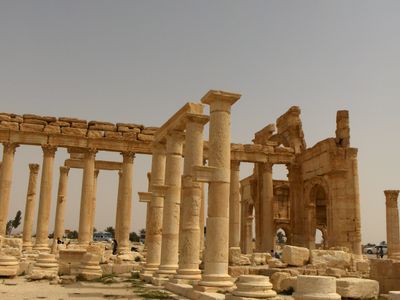
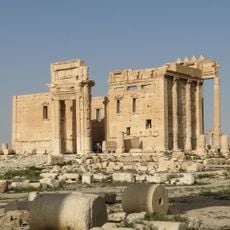
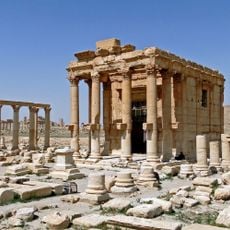
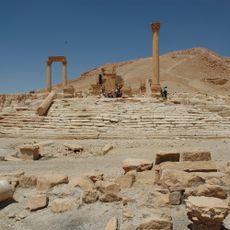
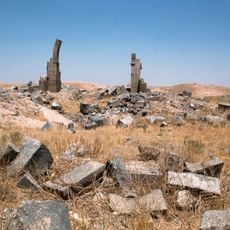
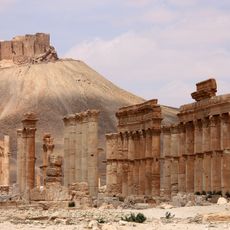
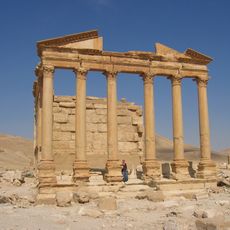
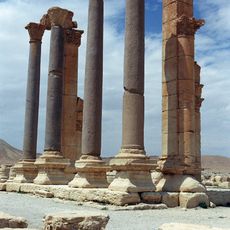
The Temple of Nabu is a Roman religious structure made of limestone with 72 Corinthian columns surrounding a central chamber and facing south. Access to the space was provided through a smaller columned entrance, while a roofless altar stood outside the main building.
The sanctuary was built in the late first century CE during the height of Roman rule and underwent reworking in the two centuries that followed. These modifications were linked to urban expansion that reflected Palmyra's growing wealth and importance.
The temple honored Nabu, a Babylonian deity of wisdom and writing, reflecting Palmyra's distinct religious practices. This choice of deity shows how the city blended traditions from different lands into its spiritual life.
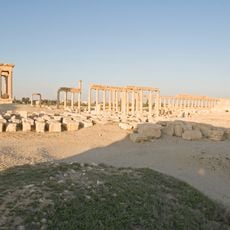
The temple stands within the expansive Palmyra archaeological site and is accessible on foot alongside other ruins. The remains are uneven underfoot and require sturdy footwear, especially during warmer months when visits are best planned for cooler parts of the day.
The sanctuary displays architectural features that blend Roman and Eastern traditions rather than following strictly Roman design conventions. Excavations conducted in the mid-20th century revealed these distinctive elements that set it apart from other temples of its time.
The community of curious travelers
AroundUs brings together thousands of curated places, local tips, and hidden gems, enriched daily by 91,259 contributors worldwide.