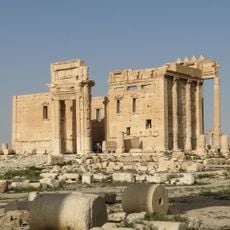
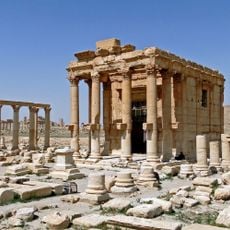
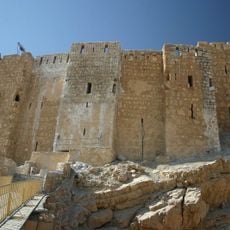
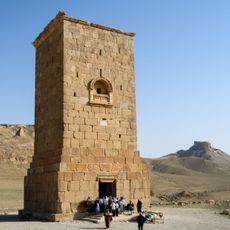
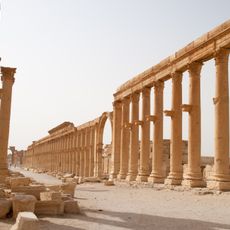
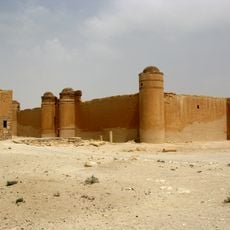
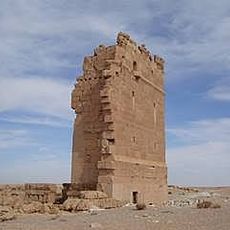
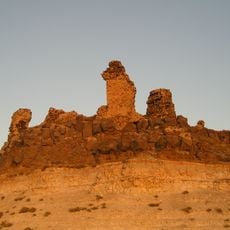
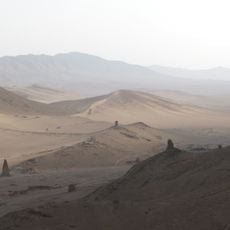
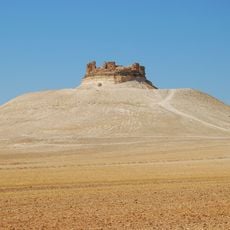
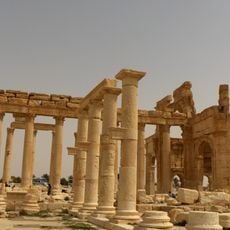
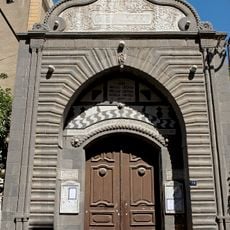
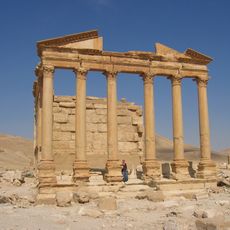
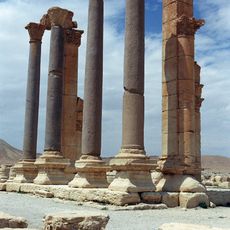
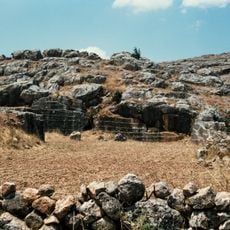
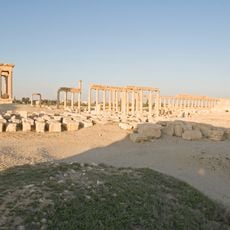
Camp of Diocletian, Roman military camp in Palmyra, Syria
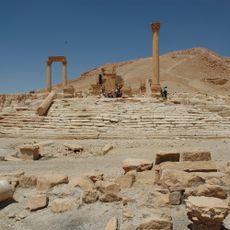
Camp of Diocletian spans about 4 hectares on a hill at the western end of Palmyra and features two intersecting colonnaded streets plus a tetrapylon. The site was strategically positioned to monitor the ancient trade routes connecting Europe and Asia.
A Roman ruler established this military complex in the late 3rd century as a headquarters for one of his legions after Rome recaptured the city. The installation was meant to secure the region and maintain control over the major trade routes.
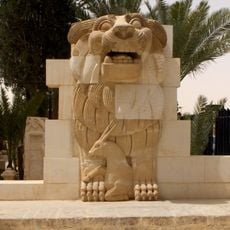
The complex integrated the Temple of Allat, which housed a replica of a Greek Athena statue and represented the blending of Roman and Syrian traditions. This mixture is still visible in the stonework and decorative elements found throughout the site.
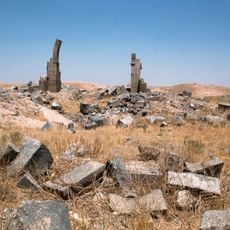
The site is best visited with good lighting, since ruins are scattered across the terrain and shadows can hide details. Wear comfortable shoes and bring water, as there is little shade and few rest areas.
Archaeologists uncovered multiple occupation layers beneath the installation with residential and funerary artifacts dating back to the 1st century. These discoveries show the ground was used for centuries before the military complex was built.
The community of curious travelers
AroundUs brings together thousands of curated places, local tips, and hidden gems, enriched daily by 92,127 contributors worldwide.