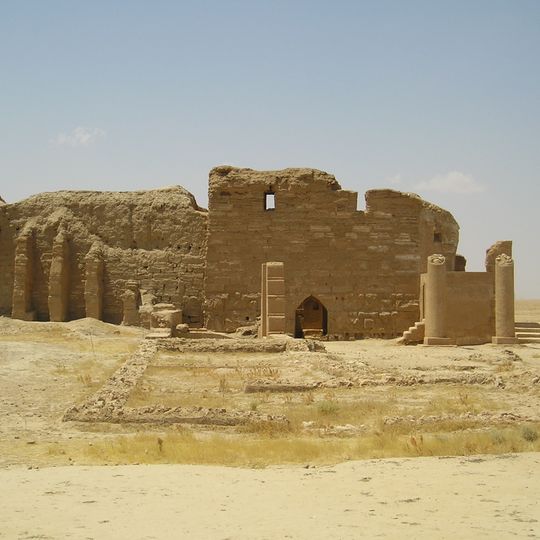
Dura-Europos, Archaeological site in Al-Salihiyah, Syria.
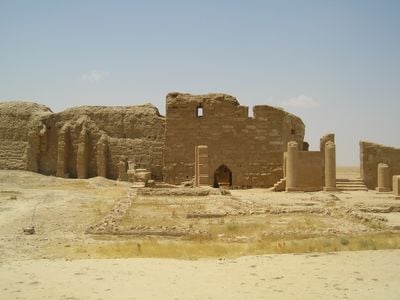
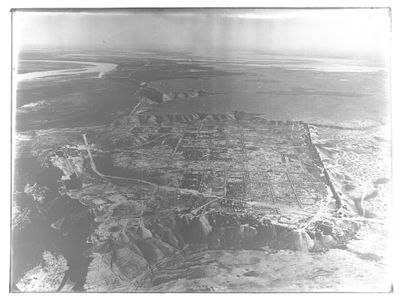
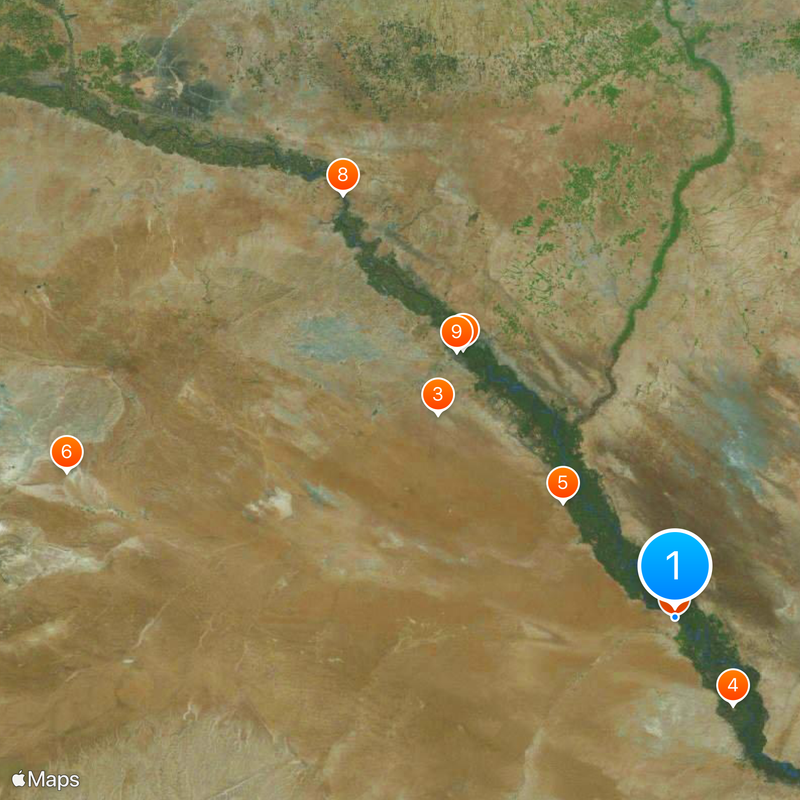
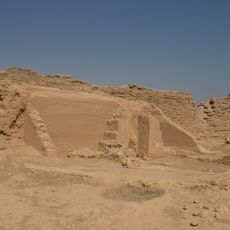
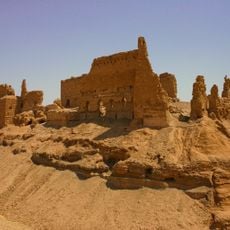
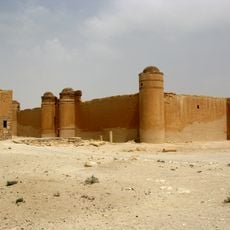
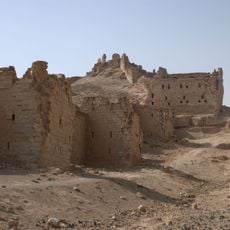
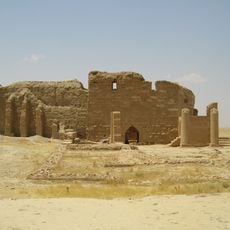
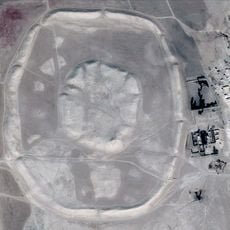
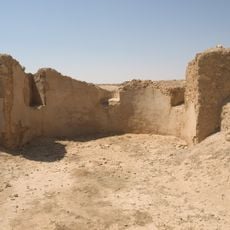
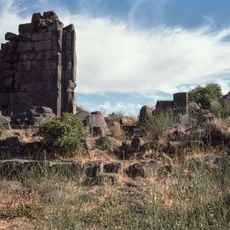
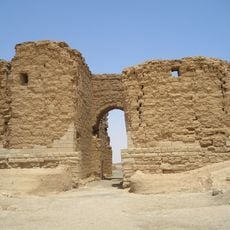
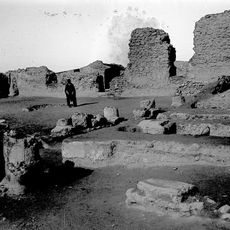
Dura-Europos is a fortified settlement on a rise above the Euphrates in Deir ez-Zor Governorate, Syria. The ruins include temple structures, residential quarters and military installations that were built and modified by successive powers.
The foundation took place around 300 BC under Seleucus I Nicator as a Hellenistic garrison town on the border between Mesopotamia and Syria. After centuries under Parthian control, the Romans seized the fortress in the 2nd century before it was taken and abandoned by the Sasanians in 256 AD.
The city carries an Aramaic name referring to fortifications, while its Greek designation Europos points to the Macedonian homeland of its founder. Visitors today can recognize the remains of a gathering space where early communities met for prayer, with wall paintings showing biblical scenes in a style that merges Roman and Eastern artistic traditions.
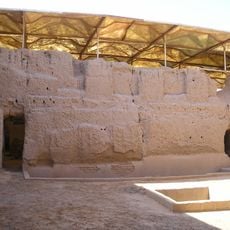
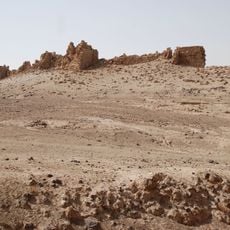
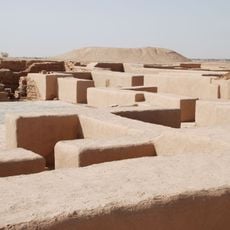
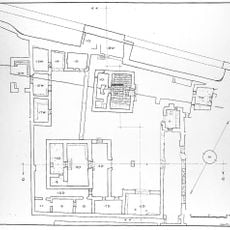
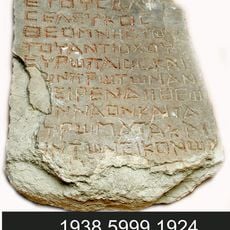
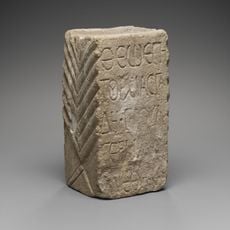
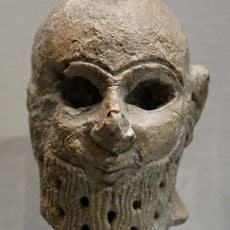
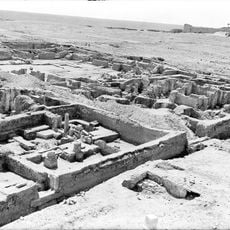
Many finds are now held in the Damascus National Museum and at the Yale University Art Gallery, where architectural elements and religious artworks are on display. On site itself, the ground plans of buildings and fortifications appear along the cliff above the river.
During the final siege, attacking troops used burning naphtha and sulfur in underground mines to overcome the defenders. The remains of these attacks provide early evidence of the use of chemical methods in ancient warfare.
The community of curious travelers
AroundUs brings together thousands of curated places, local tips, and hidden gems, enriched daily by 92,305 contributors worldwide.