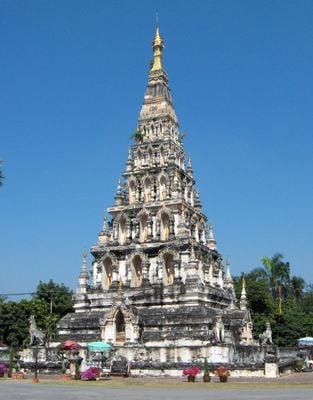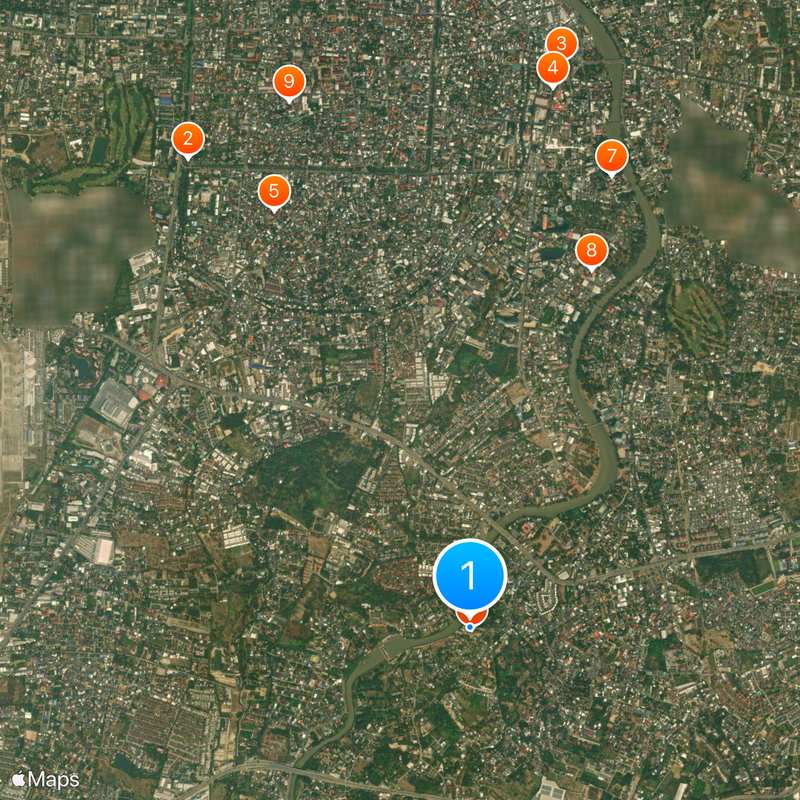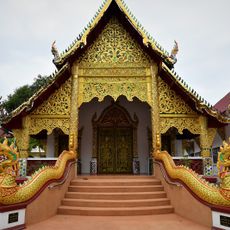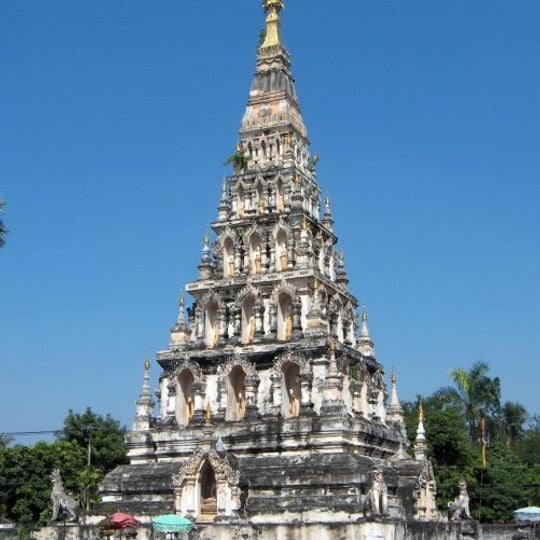
Wiang Kum Kam, Archaeological site in Tha Wang Tan, Thailand.
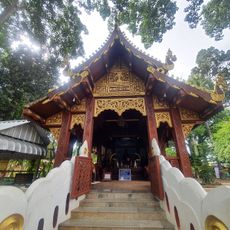
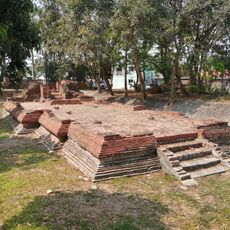
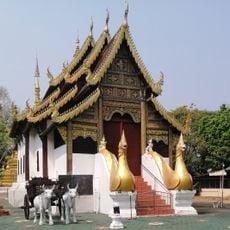
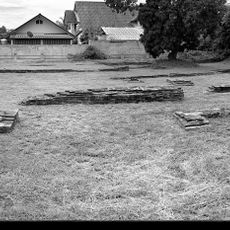
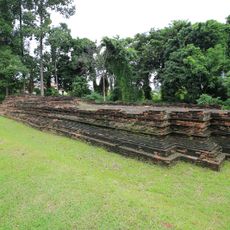
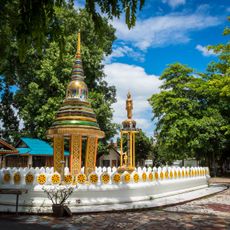
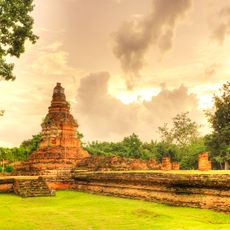
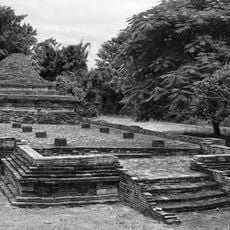
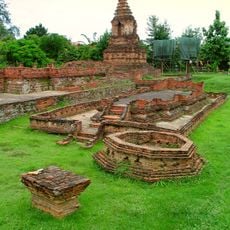
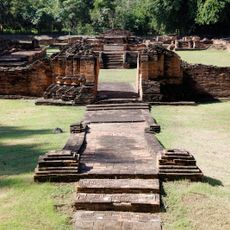
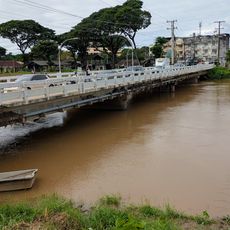
Wiang Kum Kam is an archaeological site in Tha Wang Tan, Thailand, with remains of a 13th-century royal seat. The excavated ruins include temples, stupas and canals covering roughly 344 hectares along the Ping River.
King Mangrai founded the settlement in 1287 as capital of the Lanna Kingdom, but repeated flooding forced him to abandon it. Within a few years he moved his seat northward and established Chiang Mai as a more lasting base.
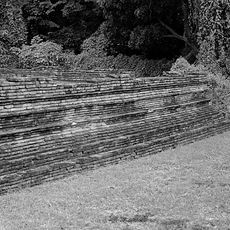
The name translates as 'golden city' in the Lanna language, referring to its former prosperity as the seat of royal power. Ancient brickwork shows patterns from Mon craftsmen who settled alongside local builders in the valley.
Entry to the excavation areas is free, and visitors can explore on foot, by bicycle or by horse cart. Most temples sit along unpaved paths through fields, so sturdy footwear helps.
The settlement lay buried under mud for centuries until flooding in the 1980s exposed the old structures. Archaeologists then uncovered more than forty temple sites within the buried city.
The community of curious travelers
AroundUs brings together thousands of curated places, local tips, and hidden gems, enriched daily by 91,262 contributors worldwide.