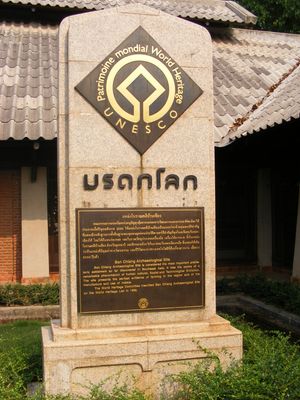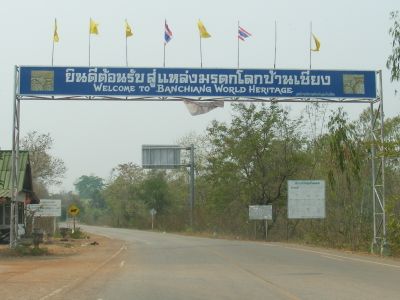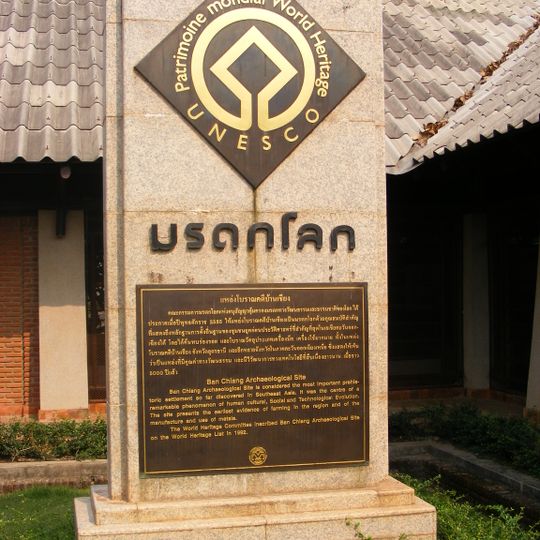
Ban Chiang, Archaeological site in Udon Thani Province, Thailand
Ban Chiang is an archaeological site in Udon Thani Province in northeastern Thailand, covering 160 hectares and sitting slightly higher than the flat surrounding land. The area contains several mounds where layers of human occupation spanning thousands of years can be observed.
The earliest findings from the Neolithic period show occupation from the fifth millennium BCE, when people grew rice and made pottery here. Inhabitants later developed techniques for working bronze, which they used to create tools and ornaments.
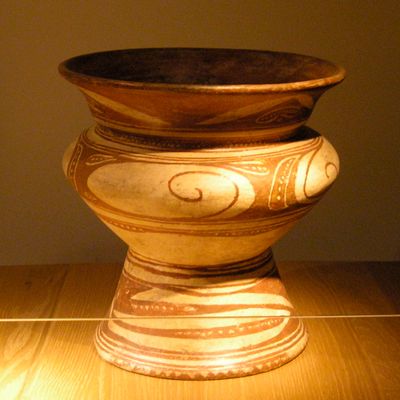
The pottery here displays red spiral patterns applied by hand, which have kept their color over millennia and show a refinement in technique that evolved locally over centuries. These designs became a symbol of the settlement and reflect a distinct artistic tradition that developed without outside influence.
The museum is located in the village center and can be reached on foot from the main square, where parking is available. Exhibition rooms are air-conditioned and provide seating for visitors who wish to spend time looking at the displays.
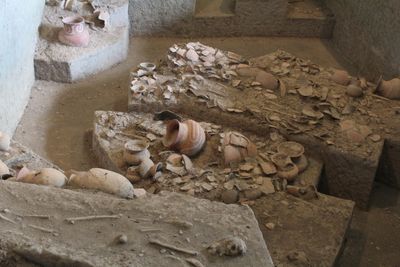
Some graves contain skeletons surrounded by complete ceramic vessels, documenting burial practices of the community. This arrangement shows that pottery was considered an important offering for the afterlife.
The community of curious travelers
AroundUs brings together thousands of curated places, local tips, and hidden gems, enriched daily by 60,000 contributors worldwide.