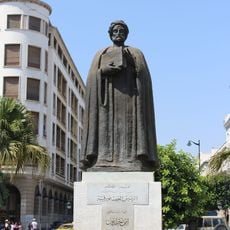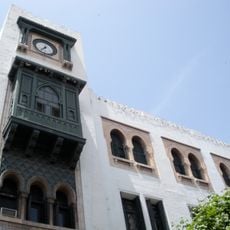
Tunis, Capital city in northern Tunisia
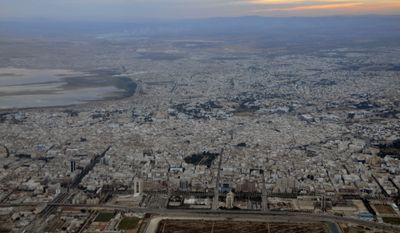
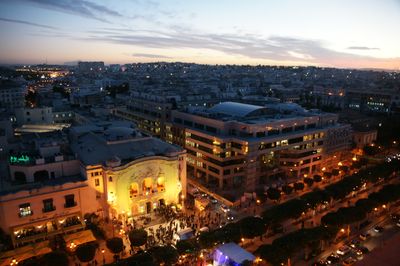
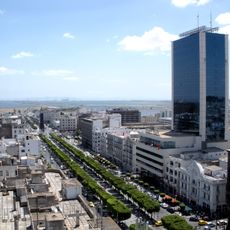
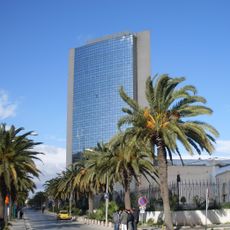
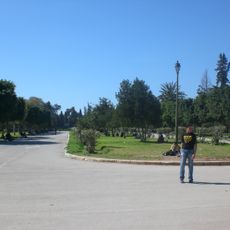
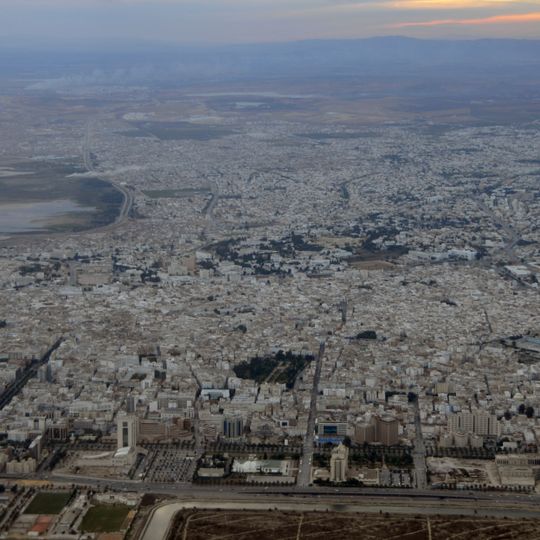
Tunis sits between the Mediterranean Sea and Lake Tunis, with the old Medina forming the center and modern districts stretching in every direction. The city combines narrow, winding lanes in the historic core with wide, tree-lined boulevards in the newer sections, while residential neighborhoods climb the hills and reach the edges of the salt lagoon.
The city grew from a small Berber settlement near ancient Carthage into a major trading hub under Phoenician, Roman and Byzantine rule. After the Arab conquest in the 7th century and later Ottoman control, it became an important center for commerce and learning in the western Mediterranean.
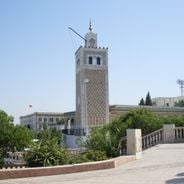
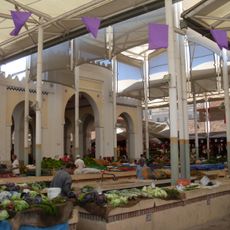
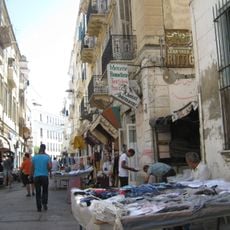
The Medina is woven through with covered souks where craftsmen still work leather, textiles and jewelry using traditional methods. Locals gather in cafes around the mosques and along the main streets for tea and conversation, while in modern quarters women wear a mix of Western and traditional dress.
Most visitors start their exploration in the Medina or along Avenue Habib Bourguiba, where hotels, shops and restaurants concentrate. The city is easiest to walk within individual neighborhoods, while taxis and the light rail serve longer distances.
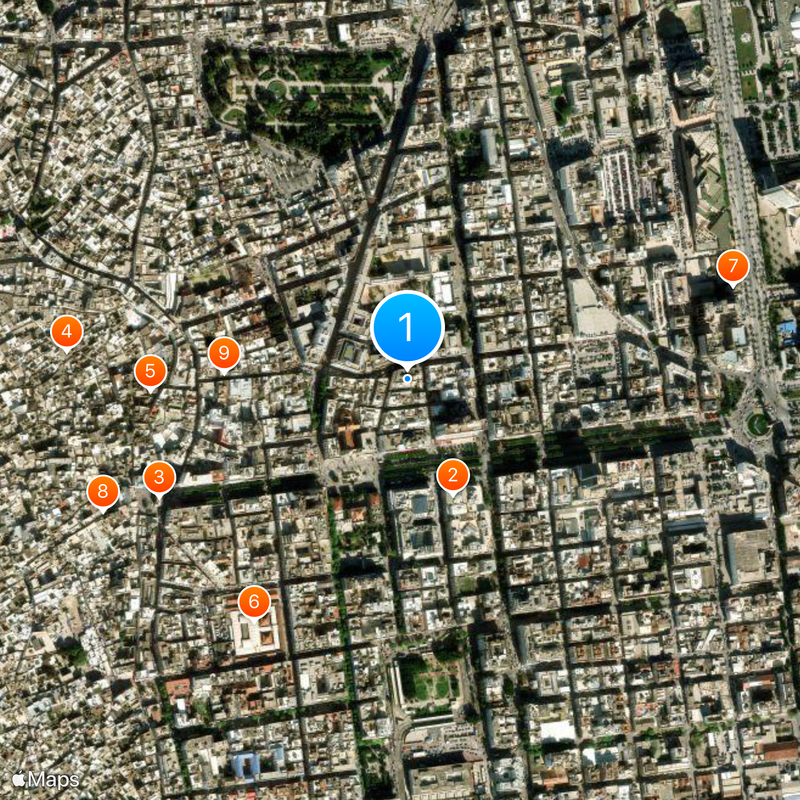
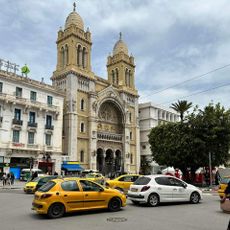
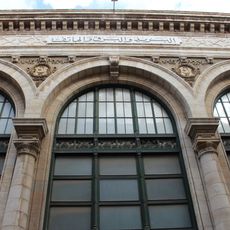
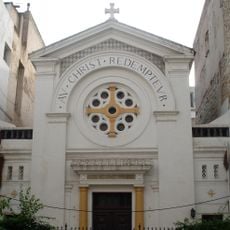
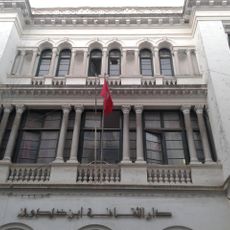
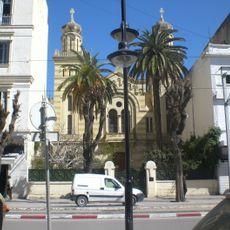
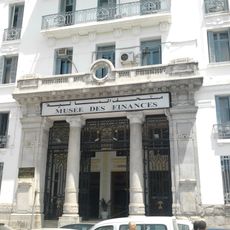
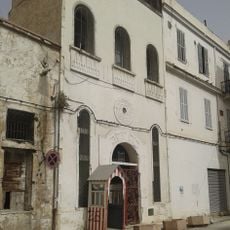
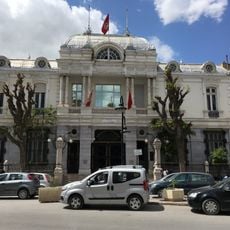
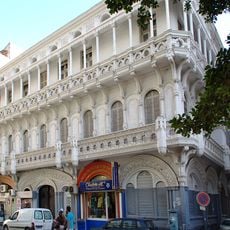
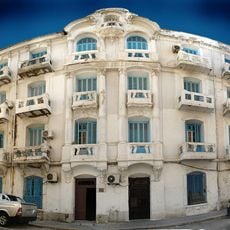
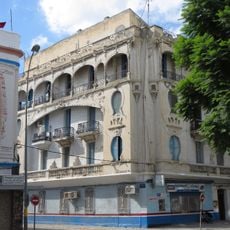
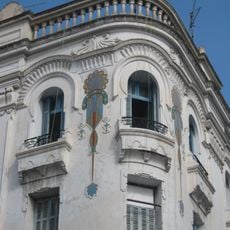
The city is built around a historic core in Medina style that directly adjoins a French colonial grid district, showing two completely different approaches to urban design side by side. Some neighborhoods sit on hills overlooking the lagoon, while others spread along the flat coastline, offering very different topography within the same urban area.
The community of curious travelers
AroundUs brings together thousands of curated places, local tips, and hidden gems, enriched daily by 91,809 contributors worldwide.