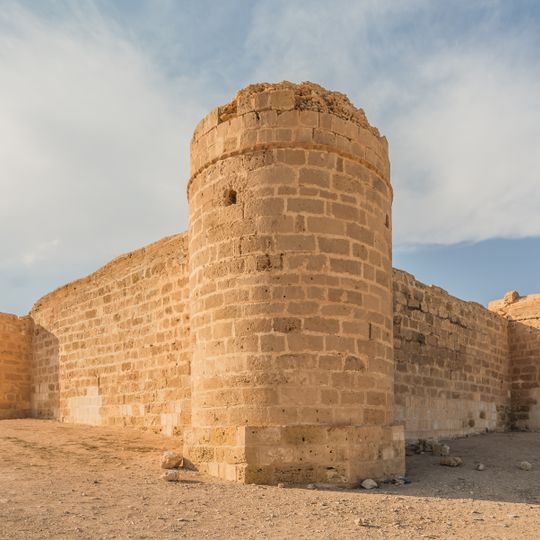
Younga, Archaeological site in Sfax Governorate, Tunisia
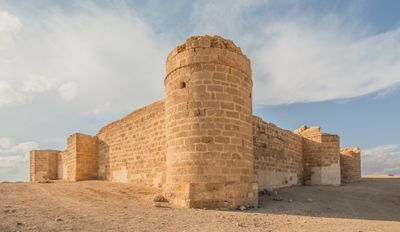
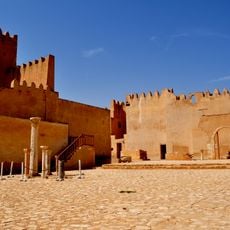
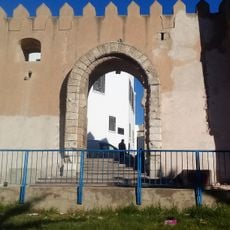
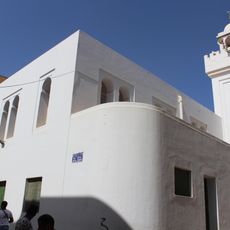
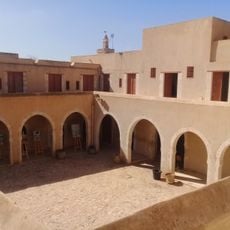
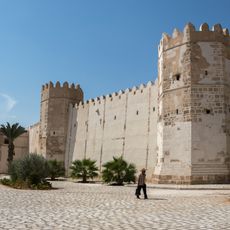
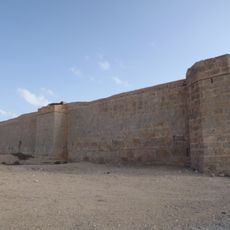
Younga is an archaeological site along the Mediterranean coast south of Sfax containing ruins of three Byzantine basilicas and city fortifications. The remains include vaulted cisterns, crypts, and a citadel displaying architectural elements from different historical periods of North Africa.
The settlement started as a Phoenician and Carthaginian colony before Romans transformed it into the city of Macomades during their North African expansion. The fortress was later modified during the Aghlabid period.
The basilicas here reveal how Christianity took root in the region, with multiple places of worship showing how faith shaped daily life. These religious buildings reflect the spiritual importance the city held for its inhabitants at that time.
The site can be explored on foot and provides insight into ancient construction techniques from different periods. Visitors should be prepared for uneven terrain and allow enough time to examine all structures thoroughly.
The fortress remained hidden until archaeologist Louis Poinssot discovered it in 1944 and it has remained in remarkable condition since then. This preservation allows visitors today to see many original features clearly.
The community of curious travelers
AroundUs brings together thousands of curated places, local tips, and hidden gems, enriched daily by 91,359 contributors worldwide.